


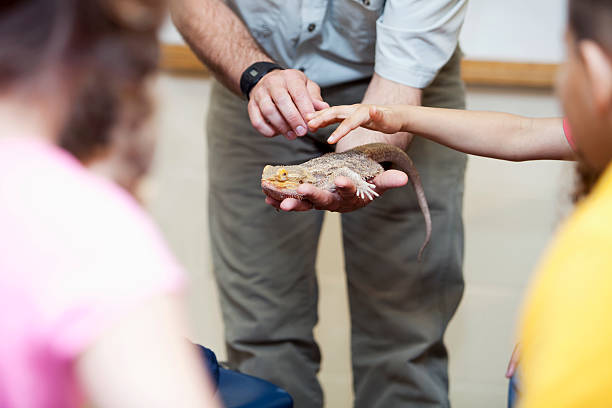
Transporting reptiles in Nigeria requires more planning than ordinary parcel or animal transportation. Snakes, tortoises, lizards, geckos and other reptiles can have specific requirements for temperature, ventilation, containment and handling. The journey also needs to account for the animal’s condition, travel distance and whether the reptile is a legally kept domestic or captive-bred animal.
Whether you are moving a reptile between homes, relocating a collection, supplying a licensed breeder, or transporting animals between Nigerian cities, proper preparation can reduce unnecessary stress and the risk of escape or injury.
What Types of Reptiles May Need Transport in Nigeria?
Reptile transport can involve different species and situations, including:
- Tortoises
- Geckos
- Lizards
- Snakes
- Chameleons
- Captive-bred reptiles
- Reptiles being moved between breeders or approved facilities
The transport requirements can vary significantly between species. A tortoise, for example, does not have the same containment and handling requirements as a snake.
Wild or protected species should not simply be collected and transported without checking the applicable requirements.
Preparing Reptiles Before Transportation
Preparation should begin well before the vehicle arrives.
The reptile should be placed in a secure, appropriately sized transport container that prevents escape while allowing adequate ventilation. The container should also be strong enough to withstand normal movement during the journey.
Avoid overcrowding multiple reptiles in one container unless the species and circumstances make this appropriate.
The animal’s condition should also be checked before departure. If a reptile appears injured, seriously weak or unwell, professional veterinary advice may be appropriate before transportation.
Choosing the Right Container for Reptile Transport
Containment is one of the most important parts of transport reptiles Nigeria.
The container should be:
- Escape-resistant
- Properly ventilated
- Securely closed
- Appropriate for the reptile’s size
- Easy to handle and identify
- Protected from excessive heat and direct sunlight
For snakes and other escape-prone reptiles, the security of the enclosure is particularly important. For smaller reptiles, containers should also prevent excessive movement that could cause injury.
The container should never be left loose in a vehicle where it can slide, tip over or be crushed by other cargo.
Managing Temperature During Reptile Transport
Temperature management is especially important when transporting reptiles in Nigeria’s warm climate.
A vehicle parked under direct sunlight can become extremely hot, even when the outside temperature does not initially appear excessive. Long traffic delays can make this problem worse.
For longer journeys, the transport plan should consider the expected weather, departure time, route and likely traffic conditions. Keep containers away from direct sunlight and avoid unnecessary stops that leave live reptiles inside a hot vehicle.
At the same time, avoid introducing extreme temperature changes without understanding the requirements of the particular species.
Transporting Reptiles Between Nigerian Cities
Reptile shipments may travel between locations such as Lagos, Ibadan, Benin City, Abuja, Enugu, Port Harcourt, Kano or other Nigerian cities.
The longer the journey, the more important preparation becomes. The sender should provide the transporter with the exact pickup and delivery locations, number of animals, species, container requirements and preferred delivery time.
This allows the route and vehicle arrangements to be planned before collection.
Traffic is another consideration. A journey that looks short on a map can take much longer during busy periods, particularly around Lagos and other major urban centres.
Legal Considerations for Reptile Transport in Nigeria
Not every reptile can be treated like an ordinary domestic pet. Some wildlife species may be subject to conservation and trade controls.
For international movement, Nigeria Agricultural Quarantine Service requirements include animal health and quarantine documentation, while wildlife and endangered species may require CITES permits from the Federal Ministry of Environment. (National Agricultural Quarantine Service)
This is particularly important when reptiles are being imported, exported or re-exported. Before arranging such a shipment, confirm the applicable requirements for the specific species and movement.
For ordinary domestic movement within Nigeria, documentation requirements can depend on the animal and circumstances, so it is sensible to verify requirements before transporting wildlife or protected species.
Reptile Transport for Breeders and Businesses
Breeders and reptile businesses may need transport when delivering captive-bred animals to customers, moving breeding stock, relocating collections or transferring animals between facilities.
Commercial shipments require more coordination because several animals may be involved. Each container should be properly secured and clearly associated with the correct shipment.
The receiving location should also be ready before departure. There should be suitable housing and environmental conditions waiting for the reptiles when they arrive.
How Much Does Reptile Transport Cost in Nigeria?
There is no fixed price for reptile transport in Nigeria. The cost can depend on:
- Reptile species and size
- Number of animals
- Pickup location
- Delivery destination
- Distance
- Vehicle requirements
- Container requirements
- Journey duration
- Traffic and road conditions
- Whether dedicated transportation is required
A local reptile delivery within Lagos may have very different costs from a long-distance shipment from Lagos to Abuja or another state.
For a quotation, provide the transporter with accurate information about the reptile, quantity, pickup point, destination and preferred delivery schedule.
Preparing for Reptile Delivery
The receiving location should be prepared before the reptile arrives.
For a pet or captive-bred reptile, have its enclosure ready and make sure it provides the conditions appropriate for the species. Avoid leaving the animal inside its transport container unnecessarily after delivery.
For breeders and businesses, confirm the recipient’s address and availability before the vehicle leaves the pickup point. This helps prevent unnecessary waiting after a long journey.
Arranging Reptile Transport With Travo.ng
Reptile transportation requires careful coordination because the shipment involves a live animal rather than an ordinary package.
Travo.ng can help coordinate transportation and delivery arrangements based on the reptile type, pickup location, destination, quantity and journey requirements, subject to the availability and suitability of the requested service.
For transport reptiles Nigeria, provide complete information before booking, use secure and ventilated containment, plan around Nigerian traffic and weather conditions, and check any applicable wildlife or quarantine requirements before moving protected or internationally traded species.
