


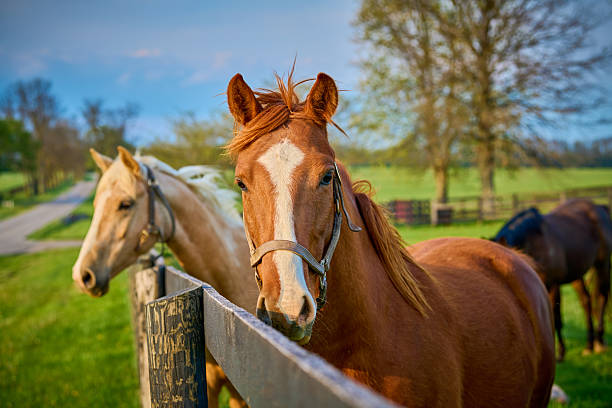
Transporting a donkey in Nigeria requires careful planning because donkeys can become stressed or injured when they are loaded, handled or transported in unsuitable conditions. Whether you are moving a working donkey, relocating one between farms, delivering a newly purchased animal or transporting several donkeys, the journey should be planned around the animal’s welfare.
Nigeria’s climate, road conditions and long-distance travel between states also make proper vehicle selection and journey planning important.
When Do You Need to Transport a Donkey?
Donkey transportation may be required for different agricultural, commercial and personal purposes.
Common situations include:
• Moving a donkey between farms
• Delivering a newly purchased donkey
• Relocating donkeys to another property
• Moving working donkeys between locations
• Transporting donkeys for agricultural activities
• Moving donkeys between Nigerian states
• Delivering donkeys to buyers or livestock facilities
The number of animals, their size and the distance involved should be considered before arranging transportation.
Preparing a Donkey for Transportation
Before a journey, check that the donkey is fit to travel. If the animal is sick, injured, extremely weak or otherwise unsuitable for transportation, veterinary advice should be obtained before loading.
Donkeys should be handled calmly during preparation and loading. Animals that are unfamiliar with transportation may require additional time and experienced handlers.
The destination should also be ready before the donkey leaves. Provide suitable space, water, shelter and a secure area where the animal can settle after unloading.
Choosing a Suitable Donkey Transport Vehicle
A suitable vehicle should provide enough space for the animals, good ventilation and secure flooring. The vehicle should also be structurally sound and free from sharp edges or other features that could cause injury.
Ventilation is particularly important in Nigeria’s warm conditions. International animal welfare standards recommend that vehicles provide adequate fresh air and allow excessive heat and humidity to escape. (WOAH)
The vehicle should also prevent animals from escaping and provide suitable protection from adverse weather.
Loading and Unloading Donkeys Safely
Loading should be planned rather than rushed. A suitable ramp or loading area should have secure, non-slip footing, and handlers should avoid unnecessary force or excessive noise.
The World Organisation for Animal Health recommends competent supervision during loading and unloading and says animals should be handled in ways that minimise fear, stress and injury. (WOAH)
The same approach should be used when unloading at the destination. Make sure there is enough room for the donkey to leave the vehicle safely.
Transporting Donkeys Over Long Distances
Long-distance donkey transport requires more preparation than a short local journey. The route, expected travel time, weather conditions, rest arrangements, water and feeding requirements should be considered before departure.
Traffic and unexpected road delays can also affect journeys between Nigerian cities and states. A contingency plan can help if the vehicle encounters significant delays or another problem during transportation.
International animal welfare guidance recommends planning journeys around the animals’ fitness, space, ventilation, water, feed, rest and emergency arrangements. (WOAH)
Transporting Donkeys Between Nigerian States
Moving donkeys between Nigerian states can involve lengthy road journeys and may require attention to applicable veterinary and livestock movement requirements.
For example, a donkey transported from northern Nigeria towards Lagos or another southern destination may spend many hours on the road. The transportation plan should therefore account for the distance, weather, traffic and condition of the animals.
Before an interstate movement, confirm any applicable requirements with the relevant veterinary or livestock authorities.
How Much Does Donkey Transport Cost in Nigeria?
There is no single price for donkey transportation in Nigeria. The cost depends on the details of the journey.
Factors can include:
• Pickup and delivery distance
• Number of donkeys
• Size and condition of the animals
• Vehicle required
• Fuel and operating costs
• Road and route conditions
• Loading and unloading requirements
• Handling requirements
• Veterinary or movement documentation
• Urgency of the delivery
Transporting one donkey over a short distance will have different costs from moving several animals between distant states.
For an accurate quotation, provide the exact pickup location, destination, number of donkeys and preferred travel date.
Donkey Transport for Farms and Livestock Owners
Farmers and livestock owners may need donkey transportation when purchasing animals from another location or moving them between properties.
If several donkeys are being transported together, the vehicle should provide adequate space and allow the animals to be handled safely. Overcrowding should be avoided because poor loading conditions can increase stress and injury risks. (WOAH)
The receiving farm should also be prepared before the animals arrive so unloading can take place without unnecessary waiting.
Arranging Donkey Transport With Travo.ng
If you need to transport a donkey in Nigeria, Travo.ng can help coordinate the transportation logistics where the appropriate specialist service is available.
When making an enquiry, provide the donkey’s current location, destination, number of animals, preferred date and any special handling requirements. Mention whether the journey is local, interstate or particularly long.
Whether you are moving one donkey between farms or arranging transportation for several animals, proper preparation can make the journey more organised and reduce avoidable transportation problems.
