


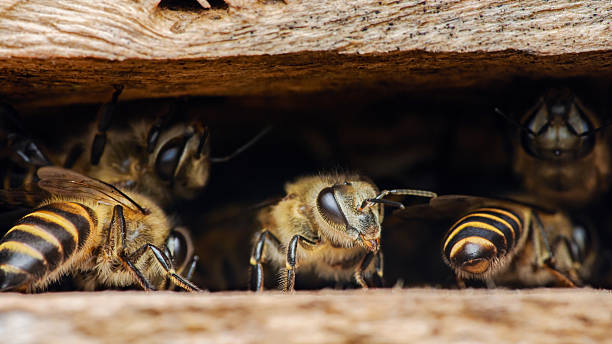
Transporting bees in Nigeria requires careful planning because a bee colony is a living population that can be affected by heat, poor ventilation, excessive movement and rough handling. Beekeepers may need to move complete colonies, beehives, queen bees or bee packages when establishing a new apiary, relocating a farm or supplying another beekeeper.
The transportation method should protect both the bees and the people handling them while keeping the colony secure throughout the journey.
When Do You Need to Transport Bees in Nigeria?
Bee transportation may be required when:
- Relocating an apiary
- Moving beehives to a new farm
- Establishing a new beekeeping site
- Supplying colonies to another beekeeper
- Moving queen bees or bee colonies
- Transporting bees away from a location undergoing development
- Moving colonies between Nigerian states
A short journey between nearby farms may be relatively straightforward, while interstate transportation requires more planning around weather, roads, journey time and destination arrangements.
Preparing Bees and Beehives for Transport
Preparation should begin before the vehicle arrives. The beekeeper should inspect the hives and make sure they are structurally sound and suitable for movement.
Hive entrances and removable components should be secured appropriately so bees cannot escape during loading or travel. The hive should still have sufficient ventilation because completely restricting airflow can create dangerous conditions inside the colony.
The driver and handlers should also know that live bees are being transported and should avoid unnecessary disturbance of the hives.
Choosing a Vehicle for Bee Transport
The vehicle should provide enough space to position the hives securely without crushing or damaging them. It should also allow adequate airflow around the transported colonies.
Direct exposure to excessive heat should be avoided. Nigeria’s warm climate makes temperature management particularly important, especially when hives are being moved during the hotter parts of the day.
The hives should be secured so they do not slide, overturn or collide with each other when the vehicle brakes, accelerates or travels over uneven roads.
Loading Beehives Safely
Loading should be carried out carefully and with the necessary protective equipment and experience.
Bee colonies can become disturbed by sudden movement, vibration and rough handling. The loading area should therefore be organised before the hives are moved.
Hives should be lifted and secured properly rather than dragged across the vehicle. The aim is to minimise unnecessary disturbance while ensuring the colonies remain stable throughout the journey.
Managing Heat During Bee Transportation
Heat is one of the major considerations when transporting bees in Nigeria. A hive exposed to excessive heat with insufficient airflow can become difficult for the colony to manage.
Journey timing, vehicle ventilation and route planning should therefore be considered before departure. Avoiding unnecessary stops and long periods of exposure to direct sunlight can help reduce problems.
The transporter should also consider potential traffic delays. A route that normally takes a few hours can take considerably longer when travelling through busy urban areas such as Lagos, Ibadan or Abuja.
Transporting Bees Between Nigerian States
Interstate bee transportation requires additional planning because the journey can involve long distances, checkpoints, traffic and changing road conditions.
The beekeeper should confirm any applicable movement or veterinary requirements before departure. Nigeria’s Agricultural Quarantine Service has responsibilities covering agricultural quarantine and animal health, while its legal framework provides for inspection and surveillance of trade animals at interstate control posts. (naqs.gov.ng)
Where a shipment involves international movement rather than domestic transportation, additional quarantine and certification requirements may apply, so current requirements should be confirmed with the relevant authorities. (naqs.gov.ng)
Transporting Bee Colonies for Farmers and Beekeepers
Beekeepers may need to move entire colonies when expanding an apiary or establishing hives closer to suitable forage.
Before arranging transportation, provide details such as:
- Number of hives
- Hive type and approximate size
- Pickup location
- Delivery location
- Preferred travel date
- Expected journey duration
- Access conditions at both locations
- Any special handling requirements
This information helps determine the vehicle and loading arrangements required for the journey.
Moving Queen Bees and Smaller Bee Shipments
Queen bees and smaller bee shipments require different handling from transporting complete colonies.
Because queens are valuable breeding stock, the packaging must protect them from excessive heat, physical damage and accidental escape. The sender should also clearly communicate the type of shipment and handling requirements before transportation begins.
For specialised bee movements, it is important to use handlers who understand that bees are live cargo and require appropriate care throughout the journey.
How Much Does Bee Transport Cost in Nigeria?
There is no fixed nationwide price for transporting bees. The cost depends on the size of the shipment and the distance involved.
Factors that can affect the cost include:
- Number of hives or colonies
- Type and size of beehives
- Distance
- Vehicle requirements
- Fuel costs
- Road conditions
- Loading and unloading arrangements
- Journey duration
- Special handling requirements
Moving a few hives locally will have different requirements from relocating a commercial apiary across several states.
Preparing the New Apiary for Delivery
The receiving location should be prepared before the bees arrive. There should be enough space to position the hives safely and access should be suitable for unloading.
The beekeeper should also consider the surroundings, security and availability of suitable forage before establishing the colonies at their new location.
Having the destination ready means the hives can be unloaded and positioned without unnecessary delays.
Arranging Bee Transport With Travo.ng
If you need to transport bees in Nigeria, Travo.ng can help coordinate the logistics around your transportation request where the required service is available.
Beekeepers, farmers, honey producers and agricultural businesses can provide the number of hives, pickup location, destination and preferred delivery date so the transportation requirements can be properly assessed.
For interstate or long-distance bee transportation, early planning is particularly important. Secure hive preparation, adequate ventilation, heat management, careful loading and route coordination can help make the movement of live bee colonies safer and more organised.
