


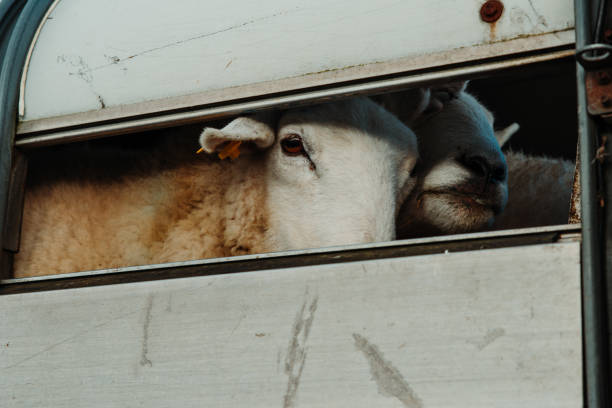
Reliable livestock transport in Nigeria is essential for farmers, ranchers, livestock traders, breeders and businesses moving animals between farms, markets, ranches and other destinations.
Moving cattle, goats, sheep, pigs or other livestock is different from transporting ordinary goods. The animals need suitable vehicles, proper loading, adequate ventilation and careful handling throughout the journey. Good planning can also reduce unnecessary delays, injuries and losses.
What Makes Livestock Transport Reliable?
A reliable livestock transportation arrangement starts with proper planning.
Before the journey, the transporter should understand:
- Type of livestock being moved
- Number of animals
- Pickup location
- Destination
- Travel date
- Approximate journey duration
- Vehicle requirements
- Loading and unloading arrangements
- Veterinary or movement documentation
- Any special handling requirements
Giving this information in advance makes it easier to select a suitable vehicle and organise the journey around the animals.
Choosing the Right Livestock Transport Vehicle
The vehicle should be appropriate for the species, size and number of animals being transported.
Cattle, goats and sheep require different space and handling considerations from smaller livestock. The vehicle should provide adequate ventilation and flooring that reduces the risk of slipping or injury.
Nigeria’s Federal Ministry of Livestock Development has specifically highlighted features such as non-slip flooring, proper ventilation, adjustable partitions and suitable loading ramps as important elements of humane livestock transportation. (FMLD)
Long-Distance Livestock Transport Needs More Planning
A short journey from a farm to a nearby market is very different from moving livestock between northern and southern Nigeria.
Long-distance routes can involve traffic, poor road sections, weather conditions, security considerations, vehicle breakdowns and extended journey times. A reliable transporter should consider these issues before departure rather than trying to solve everything after the animals are already on the road.
A journey plan should also account for appropriate stops, feeding, watering and animal checks when required.
Safe Loading and Unloading Matters
Many problems can occur before the vehicle even leaves the farm or market.
Animals should be loaded carefully using suitable facilities and handling methods. Overcrowding, rough handling and unsuitable loading equipment can increase the risk of injury and stress.
The same care is needed when the animals arrive at their destination. The receiving location should be prepared before the vehicle arrives so that unloading does not create unnecessary delays.
Livestock Transport Between Farms and Markets
Farmers and livestock traders commonly need to move animals from farms to markets, ranches, collection points and processing facilities.
For example, a farmer may need to move goats from a rural farm to a market in a nearby city, while a cattle trader may need to arrange transportation from a northern market to a southern destination.
The transportation plan should reflect the actual route, number of animals and expected journey duration.
Veterinary and Movement Requirements
Livestock transportation may involve veterinary inspection and movement documentation, particularly for trade and longer-distance movements.
Nigeria’s animal-health framework includes requirements relating to the transportation of animals, including provisions concerning feeding, watering, rest, ventilation and loading arrangements. (World Animal Protection)
The Nigeria Agricultural Quarantine Service also requires quarantine inspection and certification for certain live-animal movements, particularly imports and exports. (National Agricultural Quarantine Service)
Before moving livestock, confirm the requirements that apply to your particular journey.
Why Journey Duration Matters
Keeping livestock on the road longer than necessary can increase stress and transportation risks.
Research involving cattle transportation in Nigeria has identified problems associated with long-distance journeys, including inadequate protection from weather and insufficient arrangements for feeding and watering. (Nigerian Journal of Animal Production)
For this reason, reliable livestock transport should focus on completing the journey efficiently while maintaining appropriate animal welfare practices.
How Much Does Livestock Transport Cost in Nigeria?
There is no single price for livestock transportation across Nigeria.
The cost can depend on:
- Number of animals
- Type and size of livestock
- Pickup location
- Destination
- Distance
- Vehicle type
- Fuel and road conditions
- Loading and unloading requirements
- Journey duration
- Travel date
- Additional logistics
Moving a few goats locally will have very different costs from transporting a large number of cattle across several states.
For an accurate quote, provide the transporter with complete details of the journey.
Reliable Livestock Transport With Travo.ng
Travo.ng can help coordinate livestock transportation and related logistics in Nigeria based on the animals, route and transportation requirements.
Whether livestock is being moved from a farm to a market, between ranches or across states, the journey can be planned around the pickup location, destination, number of animals and preferred travel date.
Providing accurate information at the beginning also makes it easier to identify the appropriate transportation arrangement rather than relying on a generic service.
Get a Route-Specific Livestock Transport Quote
Reliable livestock transport is about more than getting animals from one location to another. The vehicle, loading process, route, journey duration and receiving arrangements all matter.
If you need to move cattle, goats, sheep or other livestock in Nigeria, provide the animal type, number, pickup point, destination and travel date when requesting transportation.
With proper planning and suitable handling, livestock can be moved more efficiently while reducing avoidable delays, injuries and transportation problems.
