


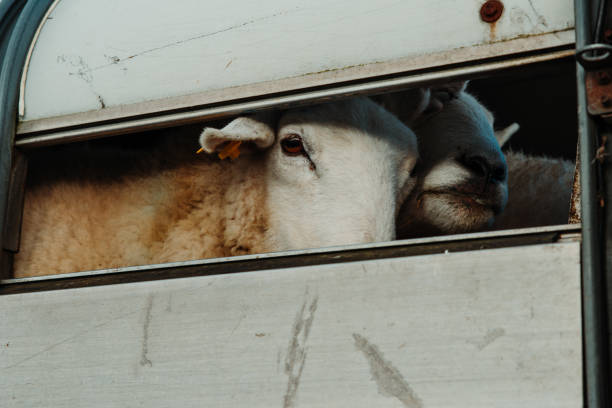
Ranches often need reliable livestock transportation for buying breeding stock, moving cattle between grazing locations, sending animals for veterinary treatment, delivering cattle to buyers and expanding operations into new locations.
For ranchers in Nigeria, transporting livestock is not simply about finding a truck. The animals need appropriate space, secure loading, ventilation and careful handling throughout the journey. Long-distance routes also require planning around road conditions, traffic, weather and the condition of the animals.
When Do Ranches Need Livestock Transport in Nigeria?
Ranch livestock may need transportation when:
- Buying new cattle or breeding stock
- Moving cattle between ranch locations
- Relocating animals to new grazing areas
- Delivering cattle to buyers
- Transporting animals to livestock markets
- Taking animals for veterinary treatment
- Moving breeding animals between ranches
- Expanding a ranch operation into another state
The transport requirements depend on the number, size, type and condition of the animals.
Preparing Cattle Before Ranch Transportation
Before arranging a vehicle, the ranch should provide accurate information about the animals and the journey.
This includes the number of animals, approximate sizes or weights, pickup location, destination and preferred travel date. Animals that are unfit for travel may require veterinary assessment before departure.
The loading area should also be prepared. Clear access, secure gates and a suitable loading ramp can make it easier to move cattle without unnecessary stress.
Choosing the Right Vehicle for Ranch Livestock
The vehicle should be suitable for the number and size of animals being transported.
A livestock truck should provide adequate ventilation, secure sides and flooring that reduces the risk of slipping. The animals should have enough space to maintain balance and, where appropriate, lie down without being crowded.
WOAH guidance recommends that vehicles and containers be designed according to the species, size and weight of the animals, with adequate ventilation and protection from adverse weather. (WOAH)
For large ranch shipments, the number of animals should be determined before loading rather than trying to maximise the vehicle’s capacity at the last minute.
Loading Ranch Animals Safely
Loading can be one of the most stressful parts of livestock transportation.
Ranch staff and handlers should prepare the animals and loading area before the truck arrives. Animals should be moved calmly using methods appropriate for their behaviour.
WOAH recommends that loading be carefully planned and supervised by competent handlers, with animals moved quietly and without unnecessary force. Loading ramps should also provide secure, non-slip footing. (WOAH)
Once loading is complete, check the vehicle before departure to ensure that gates, doors and other restraints are properly secured.
Managing Heat During Long-Distance Ranch Transport
Nigeria’s warm climate makes ventilation particularly important when cattle are travelling for several hours.
Traffic delays can extend journey times, especially around major cities and busy interstate routes. The vehicle should therefore have suitable airflow and should not be left unnecessarily stationary in direct heat.
WOAH identifies adequate ventilation as important for removing excess heat, humidity and fumes and for providing cooling in warm or hot conditions. (WOAH)
Route planning can help reduce avoidable delays and make long-distance ranch transportation more predictable.
Interstate Livestock Transport for Ranches
Ranches may need to move cattle between states such as Kaduna, Kano, Abuja, Plateau, Niger, Nasarawa, Oyo, Ogun and other parts of Nigeria.
Before an interstate journey, confirm the exact pickup and delivery locations and any applicable veterinary or movement requirements. The receiving ranch should also be ready before the cattle leave the original location.
For longer journeys, planning should include possible traffic delays, road conditions, weather and arrangements for handling the animals if an unexpected problem occurs. WOAH’s 2026 statement on animal welfare during transport emphasises advance planning, clear responsibilities and coordination between everyone involved in a journey. (WOAH)
Transporting Breeding Cattle for Ranches
Breeding cattle can represent a significant investment for a ranch, making careful transportation particularly important.
When purchasing breeding animals, confirm the quantity, condition, pickup location and destination before arranging the vehicle. The receiving ranch should have suitable accommodation prepared before the cattle arrive.
For valuable breeding stock, the ranch may also want to discuss handling and transport requirements with a veterinarian before the journey.
Ranch Livestock Transport for Veterinary Care
Ranches may also need transportation when cattle require veterinary treatment, testing or specialist care.
The veterinarian should be informed about the animal’s condition before transport, particularly if the animal is injured, weak or difficult to handle.
The receiving veterinary facility should know when the animal is expected to arrive so that suitable staff and equipment can be prepared.
How Much Does Livestock Transport for Ranches Cost in Nigeria?
There is no fixed price for ranch livestock transport in Nigeria. The cost can depend on:
- Number of cattle
- Animal size and weight
- Pickup location
- Destination
- Distance
- Vehicle capacity
- Loading and unloading requirements
- Journey duration
- Road conditions
- Traffic
- Special handling requirements
Transporting a few cattle locally can therefore have very different costs from moving a large herd across several states.
For an accurate quotation, provide the transporter with the number and type of animals, approximate weights, pickup location, destination and preferred travel date.
Preparing the Ranch for Livestock Delivery
The receiving ranch should be ready before the animals arrive.
Prepare the unloading area, secure the gates and ensure there is suitable space for the cattle after unloading. Feed and water arrangements should also be ready according to the animals’ needs and the ranch’s management practices.
A clear unloading route helps reduce unnecessary delays once the vehicle reaches the ranch.
Arranging Ranch Livestock Transport With Travo.ng
Ranch livestock transportation requires coordination between the ranch owner or manager, animal handlers, transporter and receiving location.
Travo.ng can help coordinate suitable transportation and logistics arrangements based on the livestock type, number of animals, pickup location, destination and journey requirements, subject to the availability and suitability of the requested service.
For livestock transport for ranches Nigeria, provide complete shipment details before booking, prepare the loading and receiving areas, use a suitable livestock vehicle, plan around Nigerian traffic and weather conditions, and confirm any applicable veterinary or movement requirements before departure.
