


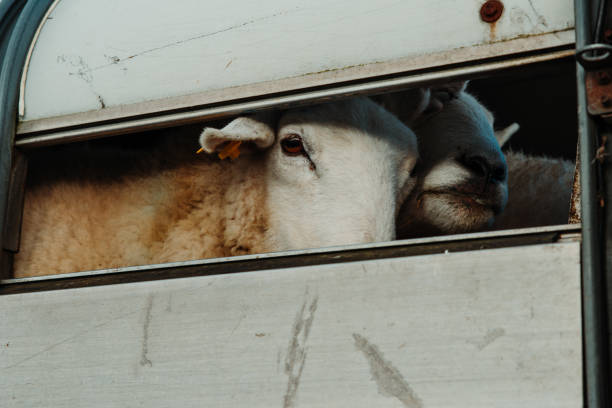
Interstate livestock transport in Nigeria involves moving cattle, goats, sheep, pigs and other farm animals from one state to another for farming, breeding, trading, ranching, processing or sale.
A journey from Kano to Lagos, Kaduna to Abuja, Ilorin to Ibadan or one neighbouring state to another can involve different road conditions, traffic levels and journey times. Proper planning is therefore important to protect the animals, reduce unnecessary delays and ensure they arrive in suitable condition.
What Is Interstate Livestock Transport?
Interstate livestock transport refers to the movement of live farm animals across state boundaries within Nigeria.
Farmers and livestock businesses may need transportation when:
- Moving animals between farms
- Taking cattle to livestock markets
- Supplying animals to buyers in another state
- Moving breeding animals
- Relocating livestock to a ranch
- Transporting animals to approved processing or abattoir destinations
- Expanding livestock operations into another state
The transport arrangement should be based on the species, number of animals, route and length of the journey.
Which Livestock Can Be Transported Between States?
Interstate livestock transportation can involve several types of animals, including:
- Cattle and cows
- Goats
- Sheep
- Pigs
- Calves
- Horses and donkeys
- Poultry
- Other farm animals where suitable transportation is available
Different animals have different space, ventilation, handling and loading requirements. A vehicle suitable for one type of livestock may not be appropriate for another.
Veterinary Requirements for Interstate Livestock Movement
Livestock movement between states should be planned with applicable veterinary requirements in mind. Nigeria’s Agricultural Quarantine Service has responsibilities for inspection and disease surveillance of trade animals at interstate veterinary control posts. Its governing legislation states that trade animals are to be accompanied by veterinary movement and loading permits at these posts. (National Agricultural Quarantine Service)
NAQS also identifies surveillance and control of trade animals at designated interstate control posts as part of its animal quarantine functions. (National Agricultural Quarantine Service)
Before departure, livestock owners should confirm the current documentation and inspection requirements applicable to their animals and route.
Choosing the Right Vehicle for Interstate Livestock Transport
The vehicle is one of the most important parts of livestock transportation. It needs to provide adequate space, ventilation and protection while allowing animals to be loaded and unloaded safely.
The Federal Ministry of Livestock Development has highlighted features such as non-slip flooring, proper ventilation, adjustable partitions and suitable loading ramps as important considerations for humane livestock transportation. (FMLD)
For a long-distance journey, the transporter should also consider the condition of the roads, expected traffic and weather conditions.
Long-Distance Livestock Transport in Nigeria
Some interstate livestock journeys cover substantial distances. Animals may be transported from northern livestock-producing areas to markets and destinations in the South, creating additional planning requirements.
A long journey should not be treated in the same way as a short trip between nearby states. The expected travel duration, loading arrangements, route, vehicle condition and welfare of the animals all need to be considered before departure.
The Federal Ministry of Livestock Development has also been engaging stakeholders on safer and more efficient livestock transportation and road-safety challenges affecting livestock movement. (FMLD)
Transporting Cattle From the North to Southern Nigeria
Cattle movement from northern Nigeria to southern markets is an important example of interstate livestock transportation.
Routes may involve several states before reaching the final destination, so the transporter needs accurate pickup and delivery information. The owner should also provide details about the number and type of cattle, the preferred departure date and any special handling requirements.
For large consignments, proper loading is particularly important because overcrowding and poor handling can increase stress and the risk of injury.
Farm-to-Farm Interstate Livestock Transport
Not every livestock movement is for a market. Farmers may transport animals from one farm to another for breeding, herd expansion, relocation or changes in their farming operation.
For this type of movement, provide the transporter with the exact farm locations and information about the animals before booking. Access to the farm should also be considered, particularly where the pickup point is along an unpaved or narrow rural road.
The receiving farm should be ready before the animals leave so unloading can take place without unnecessary waiting.
How Much Does Interstate Livestock Transport Cost?
There is no standard nationwide price for interstate livestock transportation. The final cost can depend on:
- Pickup and delivery states
- Total distance
- Number of animals
- Type and size of livestock
- Vehicle required
- Road conditions
- Fuel and operating costs
- Loading and unloading requirements
- Documentation or veterinary requirements
- Whether the vehicle is dedicated to one consignment
For this reason, livestock owners should request a route-specific quotation instead of relying on a general price per animal.
Interstate Livestock Transport With Travo.ng
Travo.ng can help coordinate livestock transportation based on the specific requirements of the journey where the requested service is available.
When making an enquiry, provide the pickup location, destination, livestock type, number of animals, preferred travel date and any important loading or delivery requirements.
This information helps establish what type of transport arrangement is needed and makes it easier to plan the movement from the farm or market to the final destination.
Prepare the Livestock Before the Journey
Good preparation should begin before the transport vehicle arrives. Confirm the animals being moved, documentation requirements, pickup access, destination arrangements and the appropriate vehicle.
For long-distance interstate livestock transport, plan the journey early rather than waiting until the last minute. This gives enough time to organise the vehicle, loading process and required veterinary arrangements.
Whether you are moving cattle from Kano to Lagos, goats from Kwara to Lagos or livestock between neighbouring states, careful coordination can make the journey more organised and reduce avoidable problems.
Arrange Interstate Livestock Transport in Nigeria
Interstate livestock movement requires more than simply finding a truck. The animals, vehicle, route, documentation and receiving location all need to be considered together.
If you need to move livestock between Nigerian states, provide complete journey details when requesting transportation so the appropriate arrangement can be planned for the animals and destination.
