


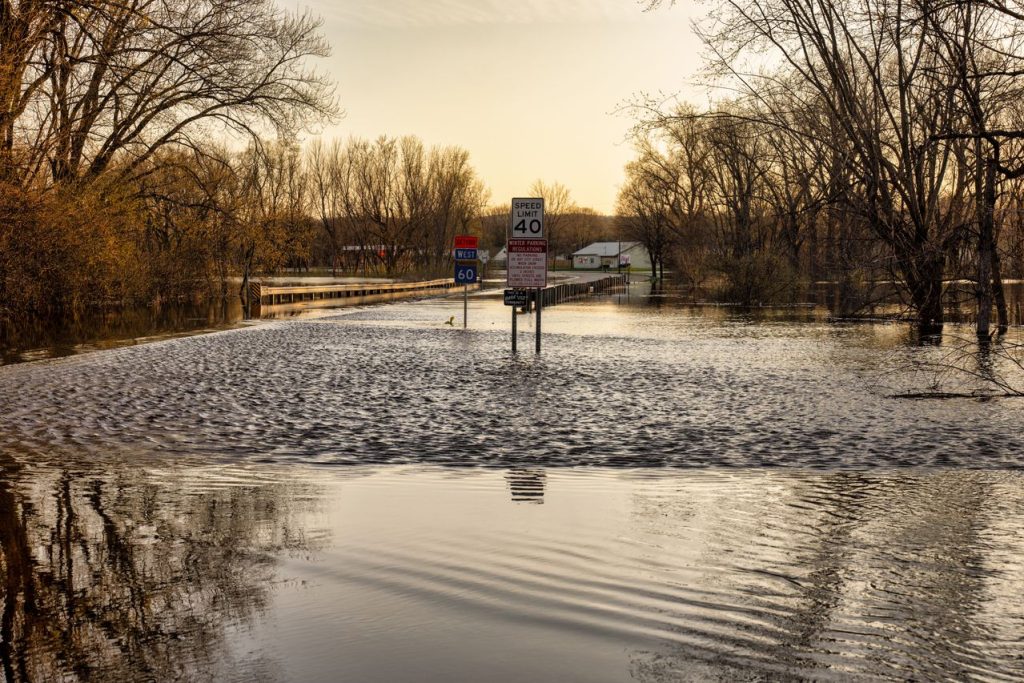
Knowing how to move when Lagos roads are flooded can save you from damaged belongings, unnecessary expenses, and hours of being stranded in traffic. Moving house in Lagos is already demanding, but heavy rainfall adds another level of difficulty, especially when access roads, estate entrances, and major routes are covered with water.
Areas such as Lekki, Ajah, Victoria Island, Ikoyi, Surulere, Agege, and parts of the Lagos Mainland can experience serious flooding after prolonged rain. A route that looked manageable in the morning may become difficult for a loaded moving truck within a few hours.
The safest approach is to plan around weather conditions, use the right vehicle, protect your belongings properly, and work with movers who understand alternative Lagos routes.
Check Both Locations Before Loading the Truck
Do not focus only on the road leading from your current home. The destination may have worse flooding, especially if it is inside an estate with poor drainage or a low entrance.
Before the moving team starts loading, confirm:
- Whether the pickup street is accessible
- Whether the destination gate is open
- Whether moving vehicles are being allowed into the estate
- Whether lifts and electricity are working
- Whether there is a dry space for unloading
Ask someone at the destination to send recent pictures or videos of the road. A photo taken the previous day may not reflect the current situation after several hours of rainfall.
Avoid Routes Known to Collect Water Quickly
Experienced Lagos drivers know that the shortest route is not always the safest route during the rainy season. Some roads collect deep water quickly, while nearby alternatives remain passable.
For example, a driver moving furniture from Lekki to Ikeja may need to avoid certain sections around major roundabouts, underpasses, and low-lying roads. On the Mainland, flooded streets can also force trucks onto longer routes through busier commercial areas.
Google Maps may show traffic congestion, but it does not always show the depth of floodwater. Local driver knowledge, estate security updates, and reports from people already on the road are often more useful.
Use a Vehicle That Can Handle the Load and the Route
A small van may be suitable for a few cartons on a dry day but unsuitable for a full household move through wet or uneven roads. The moving vehicle should have enough ground clearance and sufficient capacity to carry the items without overloading.
Overloaded vehicles sit lower to the ground, increasing the risk of water entering the engine, exhaust, or cargo area. They are also harder to control when roads are slippery.
For larger moves, it may be safer to use one properly sized truck rather than several small vehicles making repeated journeys through flooded areas.
Protect Furniture and Electronics From Water
Rain can damage belongings even when the truck does not enter deep floodwater. Water may enter while items are being carried from the building to the vehicle or during unloading.
Use waterproof covering for:
- Mattresses and upholstered furniture
- Televisions and other electronics
- Documents and books
- Wooden cabinets
- Clothing and bedding
- Kitchen appliances
Cartons should not be placed directly on a wet truck floor. Plastic sheeting, wooden pallets, or raised platforms can create a barrier between the cargo and any water that enters the vehicle.
Important documents, jewellery, medication, phones, and laptops should travel with you instead of being packed inside the moving truck.
Choose the Right Time to Begin the Move
Early morning moves are often easier, but only when overnight rainfall has not already flooded the roads. Starting before peak traffic can reduce delays and give the team more daylight to complete the job.
Avoid beginning a major move when heavy rainfall is already falling or when weather conditions are expected to worsen. Waiting a few hours may be inconvenient, but it is usually cheaper than dealing with a damaged vehicle, soaked furniture, or an incomplete move.
During the peak rainy season, it is also wise to keep your moving date flexible by at least one day.
Do Not Drive Through Water Without Knowing Its Depth
One of the most expensive mistakes during a flooded Lagos move is assuming that a truck can cross water simply because another vehicle has passed through it.
The water may hide potholes, broken drainage covers, road barriers, or uneven ground. Smaller vehicles may float, while larger trucks can suffer engine damage if water reaches the air intake.
A responsible driver should stop, assess the route, and turn back when the water level is uncertain. Furniture can be replaced, but risking passengers, movers, and drivers is never worthwhile.
Plan for Delays and Extra Moving Costs
Flooding can increase moving expenses because drivers may need to take longer routes, wait for water levels to reduce, or make additional trips. Labour costs may also rise if movers spend extra time protecting items or carrying them farther because the truck cannot reach the building.
Before confirming the move, ask whether the quotation covers:
- Waiting time
- Route changes
- Additional protective wrapping
- Extra labour
- Rescheduling due to severe weather
- Multiple loading or unloading points
Clear pricing discussions help prevent disagreements during the move.
Arrange Reliable Moving Support Through Travo.ng
Travo.ng can help customers coordinate household moving, vehicle hire, packing support, transport planning, and relocation logistics across Lagos. Providing accurate information about your pickup address, destination, property type, access road, and volume of belongings allows the right vehicle and moving team to be arranged.
When planning how to move when Lagos roads are flooded, preparation matters more than speed. Confirm road conditions, protect your belongings, use an appropriate vehicle, and be willing to change the route or moving time when conditions become unsafe.
A carefully planned move may take slightly longer, but it greatly reduces the risk of damaged property, breakdowns, and avoidable expenses.
