


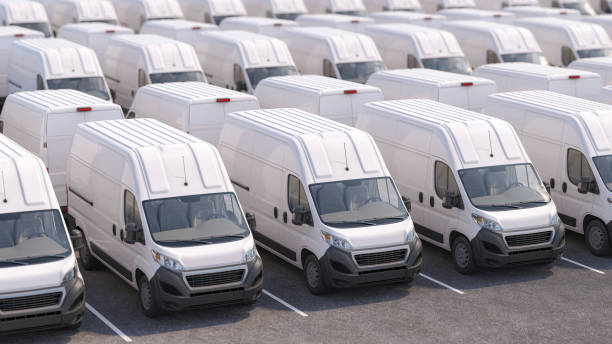
Fleet maintenance management for vans refers to the structured planning, execution, and monitoring of all maintenance activities required to keep a fleet of vans in optimal working condition. It focuses on reducing breakdowns, improving vehicle lifespan, lowering operating costs, and ensuring consistent availability for logistics and delivery operations.
This system is essential for logistics companies, courier services, e-commerce delivery fleets, and investors who rely on vans as income-generating assets.
What fleet maintenance management for vans means
Fleet maintenance management involves coordinating all technical care required to keep vans operational and roadworthy.
A maintenance management system typically covers:
- Routine servicing and inspections
- Preventive maintenance scheduling
- Repair and breakdown response
- Engine and system diagnostics
- Tire, brake, and fluid management
- Maintenance record tracking
- Workshop coordination and vendor management
- Cost monitoring and reporting
In simple terms, it ensures vans stay on the road, safe, and productive.
Why maintenance management is important for van fleets
Without structured maintenance, van fleets quickly become inefficient and expensive.
Common issues include:
- Frequent unexpected breakdowns
- High repair and replacement costs
- Reduced vehicle lifespan
- Delivery delays and service disruptions
- Poor fuel efficiency due to wear and tear
- Low fleet utilization
Maintenance management prevents these problems through proactive planning.
Core components of fleet maintenance management for vans
1. Preventive maintenance scheduling
Preventive maintenance reduces breakdown risks.
This includes:
- Regular oil and filter changes
- Engine tuning and inspection
- Brake system checks
- Tire rotation and replacement
- Scheduled servicing based on mileage or time
2. Predictive maintenance systems
Modern fleets use data to anticipate failures.
This includes:
- Monitoring engine performance data
- Detecting early warning signs of faults
- Using telematics for condition tracking
- Planning repairs before breakdown occurs
- Reducing emergency downtime
3. Breakdown and emergency repair management
Quick response reduces operational disruption.
This includes:
- Roadside assistance coordination
- Emergency towing services
- Fast-track workshop repairs
- Spare parts replacement logistics
- Downtime tracking and recovery planning
4. Workshop and vendor management
Reliable maintenance partners are essential.
This includes:
- Selecting certified repair workshops
- Negotiating service agreements
- Monitoring repair quality and timelines
- Managing spare parts supply chains
- Ensuring cost efficiency across vendors
5. Tire, brake, and engine health management
These components are critical for safety and efficiency.
This includes:
- Tire pressure and wear monitoring
- Brake system inspections
- Engine diagnostics and servicing
- Fluid level monitoring (oil, coolant, transmission)
- Replacement scheduling based on usage
6. Maintenance scheduling and fleet coordination
Proper scheduling avoids downtime conflicts.
This includes:
- Rotating vans for servicing without disrupting operations
- Aligning maintenance with low-demand periods
- Staggering service intervals across fleet units
- Reducing simultaneous vehicle downtime
7. Maintenance cost tracking and optimization
Cost control improves profitability.
This includes:
- Cost per vehicle maintenance tracking
- Repair frequency analysis
- Identifying high-cost vehicles
- Reducing unnecessary repairs
- Budget forecasting for fleet upkeep
8. Maintenance record keeping and reporting
Accurate records improve decision-making.
This includes:
- Service history tracking per vehicle
- Repair logs and documentation
- Warranty and insurance records
- Performance reports per van
- Compliance documentation
Key performance indicators (KPIs)
Fleet maintenance performance is measured using:
- Vehicle downtime rate
- Maintenance cost per kilometer
- Mean time between failures (MTBF)
- Repair turnaround time
- Fleet availability rate
- Service compliance rate
- Vehicle lifespan performance
- Return on investment (ROI)
Benefits of fleet maintenance management for vans
Increased vehicle reliability
Vans remain available for daily operations.
Lower repair costs
Preventive maintenance reduces expensive breakdowns.
Improved delivery performance
Fewer disruptions ensure timely operations.
Extended asset lifespan
Well-maintained vans last longer and retain value.
Better fuel efficiency
Properly serviced engines consume less fuel.
Challenges in fleet maintenance management
Despite its importance, challenges include:
- Rising cost of spare parts
- Workshop reliability inconsistencies
- Unplanned breakdowns in busy operations
- Poor maintenance record tracking
- Scheduling conflicts with delivery demand
Risks of poor maintenance management
Without proper systems, van fleets may experience:
- Frequent vehicle breakdowns
- High operational costs
- Delivery delays and missed SLAs
- Reduced fleet availability
- Lower resale or asset value
- Weak return on investment
Technology used in fleet maintenance management
Modern maintenance systems rely on:
- Fleet management software platforms
- Telematics and engine diagnostics systems
- Maintenance scheduling tools
- Mobile service tracking apps
- Predictive analytics systems
- Digital maintenance logs
These tools help improve efficiency and reduce downtime.
Where logistics coordination fits into maintenance management
Maintenance operations are closely linked to logistics systems such as:
- Spare parts supply chains
- Workshop and service networks
- Fleet scheduling and dispatch planning
- Delivery demand forecasting
- Asset replacement planning
Efficient logistics coordination ensures faster repairs and reduced downtime.
How Travo.ng supports logistics coordination
While fleet maintenance management focuses on keeping vans operational and efficient, logistics coordination ensures smooth movement of goods and operational support across transport systems.
Travo.ng supports logistics operations through:
- Cargo consolidation and freight coordination
- Intercity and interstate delivery services
- Port-to-destination logistics support
- Supply chain coordination across Nigeria
- End-to-end logistics execution for cargo movement
This helps reduce delays that can arise from maintenance downtime and improves overall fleet productivity.
Final thoughts
Fleet maintenance management for vans is essential for ensuring operational reliability, cost efficiency, and long-term asset performance. By combining preventive servicing, predictive diagnostics, cost control, and structured scheduling, van fleets remain productive and profitable.
In modern logistics operations, maintenance is not just a support function—it is a core driver of fleet efficiency and return on investment.
