


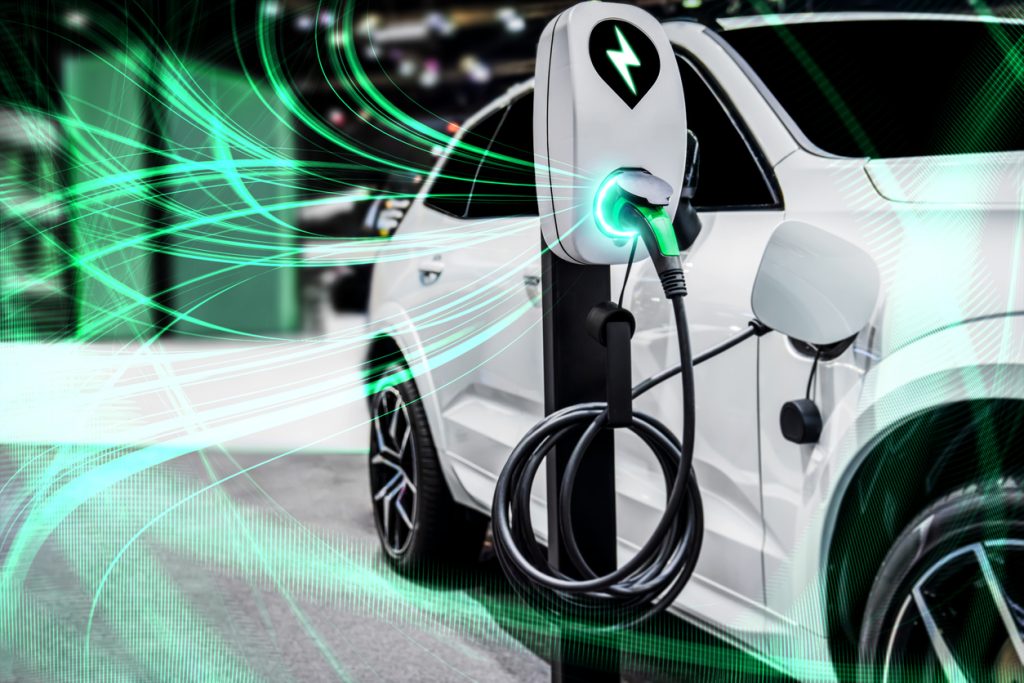
Owning an electric vehicle in Nigeria becomes much easier when you have a dependable place to charge it. Instead of depending entirely on public charging points or constantly planning trips around battery levels, a properly installed charger gives you more control over when and where your vehicle gets power.
Electric vehicle charging installation can be arranged for homes, offices, residential estates, hotels, shopping centres, fleet yards and other commercial locations. However, installing a charger involves more than mounting a unit on a wall and connecting electricity.
The existing power supply, electrical load, parking arrangement and type of vehicle all need to be considered before installation begins.
Start With the Power Available at the Property
One of the first mistakes people make is purchasing a charger before checking whether the property can comfortably support it.
A house in Lekki running several air conditioners, water heaters and other appliances may already place significant demand on its electrical system. An additional EV charger could require upgraded wiring, protective equipment or adjustments to the distribution board.
Commercial properties have different considerations. A company installing chargers for several staff or fleet vehicles may need dedicated circuits and better load management.
A proper site assessment should therefore consider:
- Existing electricity capacity
- Generator or grid supply
- Solar and inverter systems
- Distance between the power source and parking area
- Earthing and electrical protection
- Number of vehicles expected to charge
This assessment helps prevent unnecessary installation expenses later.
Choosing Between Home and Commercial EV Charging
Most private EV owners do not need the same charging infrastructure as a public charging station.
For overnight home charging, an AC wall charger can often provide a practical arrangement because the vehicle remains parked for several hours. Drivers can plug in after returning home and have additional range available the following morning.
Businesses may require something different.
Hotels, offices, shopping facilities and vehicle fleets may have several cars arriving throughout the day. Charging speed, available parking bays and the number of chargers therefore become more important.
DC fast chargers can reduce charging time considerably, but the equipment and electrical infrastructure required are much more substantial than a typical residential installation.
What Affects Electric Vehicle Charging Installation Cost
There is no sensible single price for every EV charger installation in Nigeria.
A straightforward installation where the parking space is close to the electrical distribution point should normally involve less work than a charger located far across a large compound.
Costs can increase when the project requires:
- Long cable runs
- Electrical panel upgrades
- Additional circuit protection
- Concrete or trenching work
- Charger mounting posts
- Multiple charging points
- Increased electricity capacity
- Solar or battery integration
Before paying for equipment, request a site assessment and an installation breakdown. This makes it easier to separate the cost of the charger itself from cables, protection devices, labour and any electrical upgrades.
Charging During Power Outages Needs Planning
Nigeria’s electricity situation makes backup power an important part of EV charging decisions.
Connecting an EV charger to a small household inverter without checking its output and battery capacity can overload the system or drain stored energy rapidly.
Properties using solar power have another option. With properly sized panels, batteries, inverters and charging equipment, solar can contribute to vehicle charging and reduce dependence on grid electricity.
For businesses operating electric delivery vehicles or company cars, charging schedules can also be planned around vehicle downtime. Cars that return to the premises in the evening can charge overnight instead of occupying chargers during busy operating hours.
Plan Your EV Charging Setup With Travo.ng
Good electric vehicle charging installation starts with understanding the vehicle, property and daily driving routine before deciding what equipment to install.
Travo.ng can help individuals, residential developments and businesses coordinate practical EV charging requirements alongside mobility, vehicle and business support needs.
Whether you are preparing a charger for one vehicle at home or planning several charging points for a commercial fleet, proper assessment and installation planning can save money and prevent electrical problems.
Before buying a charger simply because it offers the highest charging speed, determine what your property and vehicle can actually support. The most useful charging setup is not necessarily the biggest one—it is the one that reliably fits how the vehicle is used every day.
