


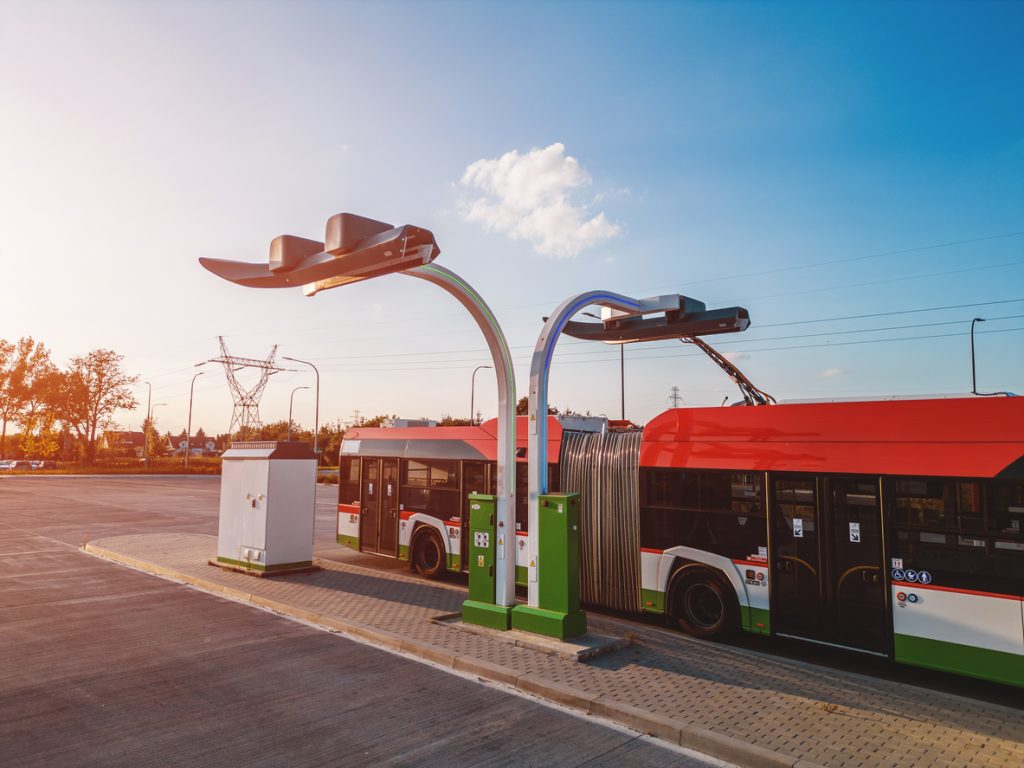
Interest in the electric bus in Nigeria is growing as businesses, schools, transport operators and government agencies look for alternatives to diesel-powered vehicles. Rising fuel costs, maintenance expenses and pressure to reduce emissions are making electric mobility more attractive, particularly for routes where buses return to the same location each day.
However, operating an electric bus successfully in Nigeria requires more than simply buying the vehicle. Charging access, route distance, passenger load, traffic conditions and power availability all affect whether an electric bus is practical.
Travo.ng can support organisations exploring electric transport through vehicle coordination, corporate transport planning, group mobility and related logistics services.
Where Electric Buses Make the Most Sense in Nigeria
Electric buses are currently better suited to predictable routes than unpredictable long-distance journeys.
For example, a company transporting workers between Ikeja and Victoria Island every weekday can estimate daily mileage and arrange charging around a fixed schedule. The same applies to school buses, airport shuttles, hotel transfers and buses operating inside large estates or industrial facilities.
Common applications include:
- Corporate staff transportation
- School and university shuttle services
- Airport passenger transfers
- Hotel and hospitality transport
- Event and conference movement
- Estate shuttle services
- Short urban commercial routes
These operations are easier to plan because the bus normally returns to a known parking or charging location.
Lagos Traffic Changes Electric Bus Route Planning
Range figures alone should not determine which electric bus to use.
A route covering 80 kilometres in Lagos traffic can place different demands on a vehicle compared with an 80-kilometre journey on an open highway. Air conditioning may run for long periods while passengers sit in traffic around Lekki, Third Mainland Bridge, Apapa or the Lagos-Ibadan corridor.
Operators therefore need to calculate realistic daily driving requirements rather than relying only on advertised vehicle range.
A sensible plan should include normal mileage, traffic delays, air-conditioning use and enough remaining battery capacity for unexpected diversions.
Charging Must Be Planned Before the Bus Arrives
One of the biggest mistakes businesses can make is arranging an electric bus in Nigeria without first deciding how it will be charged.
A depot used by several buses may require dedicated charging equipment and reliable electricity supply. Some operators may combine grid electricity with solar, battery storage or other backup arrangements.
Charging schedules also matter. A staff bus returning to its depot at 7 p.m., for example, may have several hours available before the next morning’s operation. That creates a much easier charging schedule than a commercial bus that must remain on the road throughout the day.
Electric Buses Can Reduce Daily Fuel Dependence
Diesel buses expose transport operators to changing fuel prices and frequent refuelling requirements. Electric buses replace much of that fuel consumption with electricity.
There are still costs to consider, including charging infrastructure, tyres, battery management, insurance and vehicle servicing. The initial vehicle cost can also be higher than a conventional bus.
The strongest business case usually appears on vehicles covering predictable mileage regularly. The more frequently a bus operates, the more important it becomes to compare lifetime running costs rather than looking only at the purchase price.
Interstate Electric Bus Travel Needs More Preparation
Using an electric bus between Lagos and Abuja is very different from operating one between Ikeja and Lekki.
Long-distance operators must know where compatible chargers are available, how long charging stops may take and whether alternative charging locations exist if the planned facility is unavailable.
Until charging networks become more widespread across Nigerian highways, urban and controlled-route operations are generally easier to organise than long interstate journeys.
Businesses planning longer movements should therefore assess the complete route before committing passengers or cargo.
Planning Electric Transport With Travo.ng
Moving passengers efficiently still requires proper transport coordination regardless of whether the vehicle uses diesel, petrol or electricity.
Travo.ng helps businesses and travellers coordinate transport requirements including corporate movement, group travel, airport pickups, vehicle hire and logistics support.
For organisations considering an electric bus in Nigeria, the practical starting point is to understand passenger numbers, daily route distance, operating hours and charging opportunities.
With those details established, businesses can make better decisions about vehicle capacity, scheduling and supporting infrastructure instead of adopting electric transport without a workable operating plan.
Electric buses have genuine potential in Nigeria, especially for predictable urban routes. The organisations that benefit most will be those that treat charging, route planning and vehicle utilisation as part of the transport operation from the beginning.
