


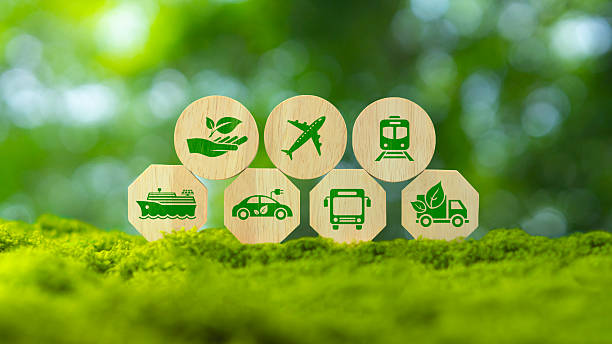
Eco-friendly ferry Lagos is becoming an important part of the city’s efforts to develop cleaner, safer and more efficient water transportation. With Lagos investing in electric vessels and sustainable waterways infrastructure, ferry transportation is increasingly being positioned as an alternative to congested road travel.
What Is an Eco-Friendly Ferry?
An eco-friendly ferry is a passenger vessel designed to reduce its environmental impact while transporting people across waterways.
This can include fully electric ferries, low-emission vessels, energy-efficient propulsion systems and better-managed marine operations.
Electric ferries are particularly important because they produce no direct exhaust emissions while operating and can significantly reduce noise compared with conventional marine engines.
Eco-Friendly Ferry Transportation in Lagos
Lagos has an extensive network of waterways that provides an opportunity to develop more sustainable public transportation.
The Omi Eko Project is a major initiative supporting this transition. It is planned to establish 15 structured ferry routes covering approximately 140 kilometres, connect 25 ferry terminals and jetties, and introduce 75 electric passenger vessels. The project is expected to reduce greenhouse gas emissions and water pollution while improving mobility.
Omi Eko Eco-Friendly Ferry Project
Omi Eko is designed to modernise water transportation across Lagos through a combination of cleaner vessels and improved infrastructure.
The project includes:
- Electric passenger ferries
- Modern ferry terminals
- Structured ferry routes
- Improved waterways
- Charging infrastructure
- Maintenance facilities
- Passenger stations
- Intelligent transport systems
- Integration with other transportation modes
The goal is to create a more reliable and environmentally sustainable water transportation network.
Electric Ferries in Lagos
Electric ferries are central to the development of eco-friendly water transportation in Lagos.
The planned Omi Eko fleet of 75 electric vessels will operate across the project’s structured routes. These vessels are intended to provide passenger transportation while reducing the environmental impact associated with conventional fuel-powered boats.
LAGFERRY has also announced plans to introduce electric-powered boats into its fleet, describing the initiative as part of efforts to provide affordable, sustainable and environmentally friendly public transportation.
Eco-Friendly Ferry Routes in Lagos
Lagos already has an extensive ferry network serving different parts of the state.
Current LAGFERRY routes include connections involving:
- Ikorodu
- Ijede
- Badore
- Falomo
- Victoria Island
- CMS
- Ebute Ero
- Ibeshe
- Ebute Ojo
- Liverpool
- Badagry
- Epe
- Ijegun Egba
- Igboologun
The existing network should be distinguished from the planned Omi Eko routes, which are being developed as a separate structured sustainable water transportation network.
Benefits of Eco-Friendly Ferries
Reduced Air Pollution
Fully electric ferries produce no direct exhaust emissions during operation, helping improve air quality around waterways and ferry terminals.
Lower Noise
Electric propulsion is generally much quieter than conventional marine engines, creating a more comfortable experience for passengers and reducing noise around waterfront communities.
Reduced Fuel Dependence
Electric ferries can reduce dependence on petrol and diesel, supporting the transition towards cleaner energy for marine transportation.
Reduced Road Congestion
Ferry transportation provides an alternative to road travel. Moving more commuters through Lagos waterways can reduce pressure on busy roads.
Potentially Lower Operating Costs
Electric propulsion can reduce fuel and some maintenance costs. LAGFERRY has highlighted lower operating and maintenance costs as one potential advantage of introducing electric boats into its fleet.
Eco-Friendly Ferry Terminals
Sustainable ferry transportation requires more than environmentally friendly boats.
The Omi Eko project includes 25 ferry terminals and jetties, with supporting infrastructure designed to accommodate modern vessels and electric charging facilities.
Well-designed terminals can also improve passenger boarding, safety, accessibility and connections with road-based transportation.
Electric Ferry Charging Infrastructure
Charging infrastructure is essential for maintaining reliable electric ferry operations.
The Omi Eko project includes the development of charging and supporting power infrastructure at selected ferry terminals.
This will allow electric vessels to recharge between journeys and support regular passenger services across the network.
Eco-Friendly Ferry for Daily Commuters
Eco-friendly ferry transportation can be particularly useful for workers, students and residents who regularly cross Lagos waterways.
Passengers travelling between areas such as Ikorodu, Badore, Ijede, Lekki, Ikoyi, Victoria Island and Lagos Island can use suitable ferry services to avoid some of the congestion associated with road transportation.
As electric vessels become more widely available, commuters can potentially benefit from quieter and cleaner water transportation.
Eco-Friendly Ferry for Businesses
Businesses can use ferry transportation for employee movement, corporate travel and other passenger transportation needs.
Companies located around Lagos Island, Ikoyi, Victoria Island and other waterfront areas can benefit from convenient ferry connections.
For larger groups, corporate events or specialised transportation, private boat charter can provide additional flexibility.
Eco-Friendly Ferry for Tourism
Eco-friendly ferries can also support tourism and leisure activities in Lagos.
Quieter vessels can provide a more comfortable experience for sightseeing, waterfront tours and organised boat trips.
Sustainable water transportation can also support Lagos’s wider blue economy and tourism development goals.
Sustainable Ferry Safety
Environmental sustainability must be combined with strong passenger safety standards.
LAGFERRY states that its captains and deckhands are licensed and experienced, while its ferries undergo maintenance checks before trips. Passengers are also required to wear life jackets before boarding.
Passengers should use recognised operators, designated terminals and properly regulated ferry services.
Is Eco-Friendly Ferry Service Available in Lagos?
Eco-friendly water transportation is already being developed in Lagos, but passengers should distinguish between existing ferry services, electric boat demonstrations, planned electric fleets and fully operational Omi Eko services.
LAGFERRY announced plans in January 2026 to introduce electric-powered boats into its fleet, while the Omi Eko Project is being developed as a much larger sustainable water transportation programme.
Passengers should therefore confirm the current operator, route, terminal, schedule and fare before travelling.
How Travo.ng Can Help
Travo.ng can help coordinate eco-friendly ferry transportation, electric boat services, water transfers and marine travel arrangements in Lagos where suitable operators and services are available.
Customers can provide their departure location, destination, travel date, passenger numbers and preferred schedule to help identify an appropriate water transportation option.
Plan Your Eco-Friendly Ferry Lagos Journey
Eco-friendly ferry transportation is becoming an important part of Lagos’s future mobility system. The combination of electric vessels, improved ferry terminals, structured routes and charging infrastructure can help create a cleaner and more efficient waterways network.
The Omi Eko Project is planned to introduce 75 electric vessels across 15 structured routes and 25 terminals, while LAGFERRY is also working towards introducing electric boats into its fleet.
As sustainable ferry transportation continues to expand, passengers should confirm the current route, terminal, fare, schedule and vessel availability before travelling.
Travo.ng can help coordinate Lagos eco-friendly ferry and water transportation arrangements based on your route, schedule, passenger numbers and travel requirements.
