


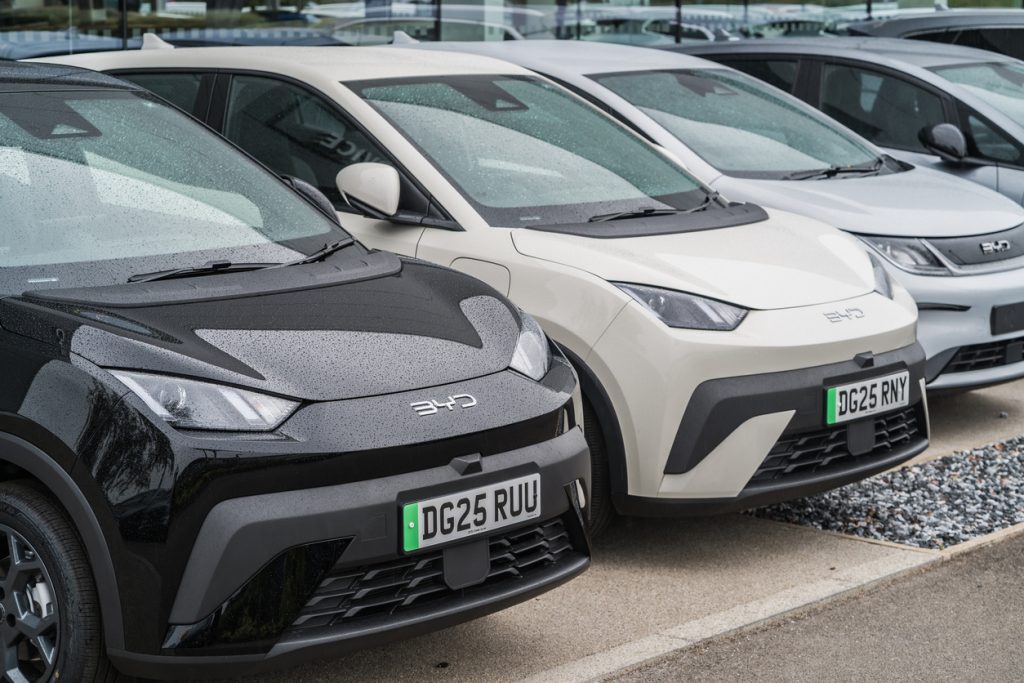
The cost to charge electric car in Nigeria depends mainly on your vehicle’s battery size, where you charge, and the electricity tariff applicable to your location. For many Nigerians considering an EV, this is more useful than simply asking whether electric cars are cheaper to run than petrol vehicles.
Electricity tariffs are not the same nationwide. NERC explains that the amount customers pay varies according to location and electricity supply band.
For example, NERC’s September 2026 tariff order for Eko Electricity Distribution Company shows Band A customers paying ₦209.50 per kWh, while the approved Band B non-maximum-demand tariff is ₦61 per kWh.
What It Can Cost to Fully Charge an EV at Home
A simple calculation is:
Battery capacity × electricity price per kWh = approximate charging cost
Take an electric car with a 60 kWh battery.
At ₦209.50 per kWh:
60 × ₦209.50 = ₦12,570
At ₦61 per kWh:
60 × ₦61 = ₦3,660
These figures show why two EV owners in Nigeria can drive similar cars yet spend very different amounts charging them.
Real charging can cost slightly more because energy is lost between the electricity meter, charger and battery. You should therefore treat the battery-capacity calculation as a useful starting point rather than an exact final bill.
You Rarely Charge From Zero to 100%
Most drivers will not arrive home every evening with an empty battery.
Suppose your 60 kWh EV falls from 70% to 30% during daily movement around Lagos. Replacing that 40% means adding roughly 24 kWh.
Using a Band A example of ₦209.50 per kWh, that electricity would cost around ₦5,028 before charging losses.
For someone commuting between Ikeja and Victoria Island or making regular Lekki mainland trips, calculating the energy actually replaced gives a more realistic monthly budget than calculating a full battery every day.
Public Charging May Cost More Than Home Charging
The cost to charge an electric car in Nigeria at a public charging station should not automatically be assumed to equal your residential electricity tariff.
A charging operator may need to recover costs associated with:
- Charging equipment and installation
- Commercial electricity supply
- Site rent and maintenance
- Backup power infrastructure
- Payment systems and customer support
Always check the station’s displayed price before plugging in, especially when planning an interstate trip.
Battery Size Makes a Big Difference
A smaller city-focused EV may have a battery around 30–40 kWh, while larger electric SUVs can carry considerably more capacity.
Using ₦209.50 per kWh as an illustrative electricity rate:
A 40 kWh battery would require about ₦8,380 of electricity for a theoretical 0–100% charge.
A 60 kWh battery would require about ₦12,570.
An 80 kWh battery would require about ₦16,760.
Your actual tariff should be checked with your electricity distribution company because NERC publishes separate tariff orders for Nigeria’s different DisCos.
Plan Charging Around How You Actually Drive
Before buying an EV, estimate your weekly kilometres, battery capacity, home electricity tariff and access to dependable charging.
In Lagos especially, traffic can increase the time spent on the road, while interstate journeys require more careful charger planning than ordinary city driving.
Travo.ng can also support transport coordination, vehicle hire, airport pickups and other mobility needs when an EV is unavailable, charging, or unsuitable for a particular trip.
The cost to charge electric car in Nigeria can therefore range from a few thousand naira for a partial home charge to well above ₦10,000 for larger batteries on higher electricity tariffs. The best figure comes from combining your vehicle’s usable battery capacity with the actual tariff charged at your home or chosen charging station.
