


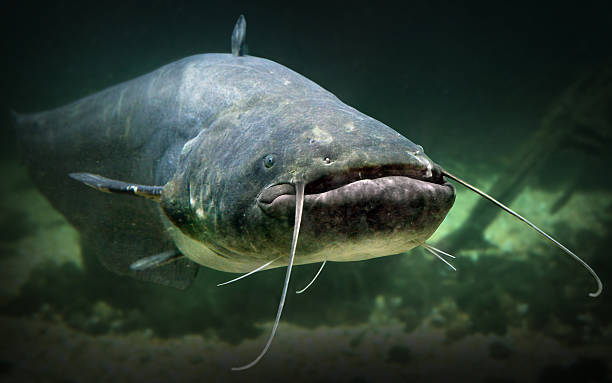
Catfish transport in Nigeria is an important part of the aquaculture supply chain. Farmers regularly move fingerlings, juvenile catfish, broodstock and mature live fish between hatcheries, farms, markets and customers.
Because catfish are transported alive in many farming situations, the journey needs to be planned around water quality, oxygen, temperature, stocking density and travel time. Nigeria is also a major producer of African catfish, making reliable transportation important for farms and fish businesses across the country. (FAOHome)
When Do You Need Catfish Transport in Nigeria?
Catfish transportation may be required when:
- Moving fingerlings from a hatchery to a fish farm
- Purchasing juvenile catfish for a new pond
- Moving broodstock between farms
- Delivering live catfish to buyers
- Relocating fish during farm expansion
- Supplying restaurants or fish traders
- Moving fish between Nigerian states
The requirements can vary considerably depending on whether the journey is a short local delivery or a long interstate trip.
Preparing Catfish Before Transportation
Preparation should begin before the vehicle arrives. The farmer should confirm the number and approximate size of the catfish, pickup location, destination and expected travel time.
Only healthy and undamaged fish should normally be selected for live transportation. Fish that are already sick, badly injured or dead should be removed before loading. (FAOHome)
Catfish should also be handled carefully during harvesting. Rough handling can cause injuries and unnecessary stress before the transportation journey even begins.
Using Oxygenated Bags for Catfish Transport
Oxygenated plastic bags can be used for transporting suitable quantities of catfish, particularly fingerlings and smaller fish.
The fish are placed in suitable water before oxygen is added and the bag is securely sealed. The quantity of fish placed in each bag needs to be appropriate for the fish size, water temperature and expected journey duration.
FAO aquaculture guidance identifies the plastic bag with oxygen as one of the established methods for transporting live fish and emphasises the importance of maintaining suitable conditions throughout the journey. (FAOHome)
Using Tanks for Larger Catfish Deliveries
Larger quantities of catfish may require transport tanks rather than individual bags. These tanks can be equipped with aeration or oxygen systems to help maintain suitable conditions during transportation.
The tank should be clean, secure and free from sharp surfaces that could injure the fish. Water should also be kept in suitable condition throughout the journey.
Overcrowding should be avoided because fish consume oxygen and produce waste during transportation. As journey time increases, maintaining water quality becomes increasingly important. (FAOHome)
Managing Temperature and Oxygen
Temperature is an important consideration when transporting live catfish in Nigeria. Warm conditions can increase fish activity and affect oxygen requirements.
The journey should therefore be planned to minimise unnecessary delays. Where practical, transportation can be scheduled during cooler periods of the day.
Oxygen management is equally important. The amount of oxygen available can change as the fish consume it during the journey, so the transport system should be appropriate for the number and size of fish being moved.
Transporting Catfish Fingerlings in Nigeria
Fingerlings are commonly transported when farmers purchase young catfish for pond stocking.
The fingerlings should be packed according to their size and the expected journey conditions. Smaller quantities may be suitable for oxygenated bags, while larger consignments may require specialised tanks or multiple transport containers.
The receiving farmer should prepare the pond or tank before the fingerlings leave the hatchery. This reduces waiting time after arrival and allows the fish to be acclimatised before stocking.
Interstate Catfish Transport in Nigeria
Moving catfish between states requires additional route planning. A journey can be affected by traffic congestion, road conditions, checkpoints and unexpected delays.
For example, a fish farmer may need to move fingerlings from Ogun to Lagos, from Oyo to Kwara or from another aquaculture-producing area to a distant customer.
The sender should provide accurate pickup and delivery information before the trip. If the movement involves international import or export, additional aquatic quarantine and certification requirements may apply through the Nigeria Agricultural Quarantine Service. (National Agricultural Quarantine Service)
Preparing the Receiving Fish Farm
The receiving farm should be ready before the catfish arrive.
For fingerlings, the pond or tank should already have suitable water conditions. The farmer should also avoid immediately transferring fish into water with significantly different conditions.
Allowing transported fish to adjust gradually to the receiving environment can help reduce stress during stocking.
The receiving location should also have someone available to supervise unloading, especially when a delivery arrives after a long journey.
How Much Does Catfish Transport Cost in Nigeria?
There is no single price for catfish transportation across Nigeria. The cost depends on the specific journey and equipment required.
Factors that can affect the price include:
- Number of catfish
- Fish size
- Live weight
- Distance
- Transport containers
- Oxygen or aeration requirements
- Vehicle type
- Fuel costs
- Road conditions
- Journey duration
- Loading and unloading requirements
A local fingerling delivery will have different transportation requirements from moving a large quantity of mature catfish across several states.
Catfish Transport for Fish Farmers and Hatcheries
Hatcheries often need transportation when supplying fingerlings to farms in different locations. Commercial farms may also need to move broodstock or mature fish as part of their production and sales operations.
Before arranging transportation, provide the transporter with the species, quantity, approximate fish size, pickup location, destination and preferred delivery date.
This information makes it easier to determine the appropriate transportation arrangement and plan the journey around the fish.
Arranging Catfish Transport With Travo.ng
If you need catfish transport in Nigeria, Travo.ng can help coordinate the logistics around your transportation request where the required service is available.
Fish farmers, hatcheries, traders and aquaculture businesses can provide details about the catfish, quantity, pickup point and destination so the transportation requirements can be properly assessed.
For interstate and long-distance catfish transport, planning ahead is particularly important. Suitable containers, adequate oxygen, sensible stocking levels, temperature considerations and a well-planned route can help make the movement of live catfish safer and more reliable.
