


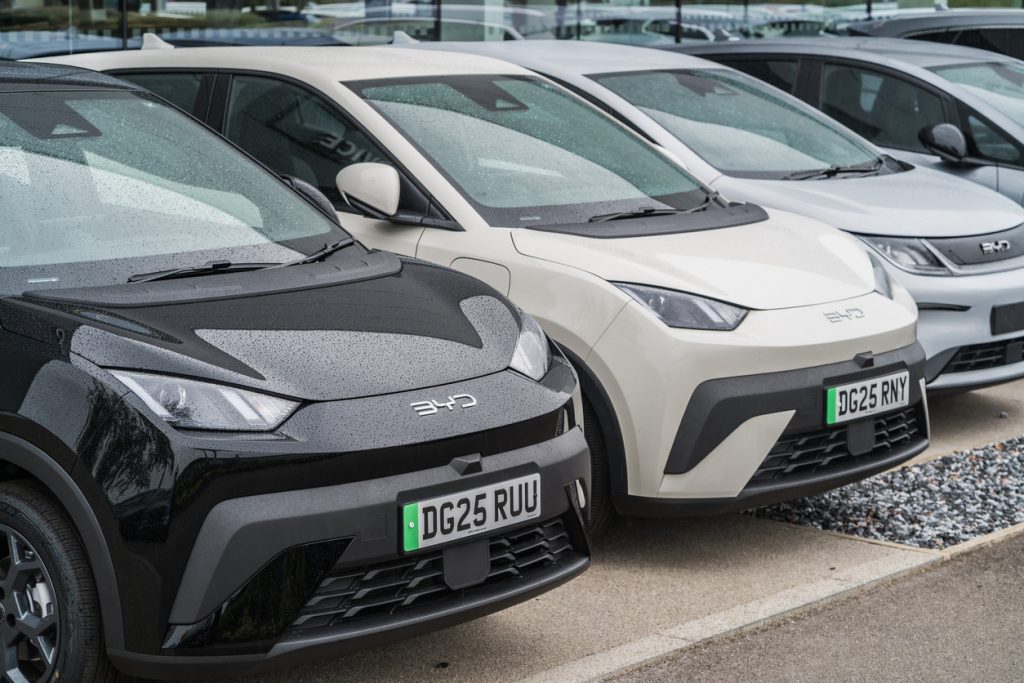
The BYD Dolphin Nigeria market is attracting attention from drivers looking for an electric car that is compact enough for city movement without feeling impractical for everyday use. For someone driving regularly around Lagos or Abuja, however, choosing an EV involves more than comparing battery range and interior features.
Charging access, electricity reliability, road conditions, maintenance support and the logistics of moving the vehicle all matter. Before buying a BYD Dolphin, it helps to understand how the car will fit into your actual routine.
Is the BYD Dolphin Practical for Nigerian Roads?
The Dolphin is a compact electric hatchback, making it particularly suited to urban driving. Its size can be useful when navigating busy areas such as Ikeja, Lekki, Victoria Island, Surulere or central Abuja.
Its electric drivetrain also removes the daily petrol requirement that conventional cars have. That can be attractive to drivers trying to reduce their exposure to changing fuel costs.
But Nigerian driving conditions require some planning. Potholes, flooded roads during heavy rains and uneven estate access roads mean drivers should pay attention to tyres, ground clearance and the routes they use regularly.
An EV may work comfortably for someone commuting between Lekki and Victoria Island every day, while a driver regularly travelling from Lagos to Ibadan, Benin or Abuja has a different charging requirement.
Charging a BYD Dolphin in Nigeria Needs Planning
Charging is one of the first issues to resolve before buying.
The easiest arrangement for many private owners is reliable charging at home or at their workplace. Simply buying the vehicle and assuming a convenient public charger will always be available can create unnecessary problems.
Before installing a charger, check:
- The electrical capacity of the property
- Where the vehicle will normally park
- Charger compatibility
- Cable routing and weather protection
- Backup electricity arrangements
- Installation by a competent technician
Businesses introducing electric vehicles into their fleets need even more planning. Several cars returning to the same premises in the evening can create charging demand that a poorly designed electrical setup cannot handle.
What BYD Dolphin Nigeria Buyers Should Check Before Paying
Do not assess an imported electric vehicle exactly like a conventional petrol car.
Confirm the exact Dolphin variant because battery specifications and equipment can differ between versions and markets. Buyers should also verify the vehicle’s charging specification, battery condition where applicable, warranty coverage and availability of compatible replacement parts.
For an imported or previously used unit, check the documentation carefully.
The cheapest purchase price does not necessarily mean the lowest ownership cost. A car with unclear battery history, difficult-to-source components or incompatible charging equipment can become expensive later.
Moving an Electric Car Requires Proper Coordination
Vehicle logistics becomes important when a BYD Dolphin is arriving through Lagos or needs to be moved to another Nigerian city.
Driving an unfamiliar EV immediately over a long interstate route is not always the sensible option, particularly when the owner has not mapped reliable charging points along the journey.
For example, moving a newly acquired vehicle from Lagos to Abuja requires decisions about charging stops, vehicle condition, driver arrangements and delivery timing. Transporting the vehicle rather than driving it may sometimes be more practical.
Travo.ng can support customers with transport coordination, vehicle movement and related logistics arrangements, particularly where the vehicle needs to move between locations without unnecessary complications.
Everyday Running Costs Depend on More Than Electricity
EV ownership can reduce petrol spending, but electricity is not free. Your actual cost depends heavily on where and how you charge.
A household relying mainly on grid electricity or solar may have a very different charging cost from someone frequently running a generator to provide power. This is why prospective owners should calculate their normal weekly kilometres before deciding whether an EV makes financial sense.
Also budget for tyres, insurance, routine inspections, charging equipment and eventual replacement parts.
Making BYD Dolphin Ownership Easier in Nigeria
The BYD Dolphin Nigeria option makes the most sense when the vehicle matches the owner’s real travel pattern and charging situation.
A Lagos professional with secure overnight parking and dependable home charging may find the transition straightforward. A frequent interstate traveller needs considerably more preparation.
Travo.ng can assist with practical mobility needs around EV ownership, including vehicle transport coordination, driver and pickup arrangements, relocation logistics and other transport support.
Before committing to a Dolphin, work backwards from your daily journey: know where you will charge, how far you normally drive, where the car will be maintained and how it will be transported when necessary. That preparation makes electric vehicle ownership in Nigeria far more practical.
