


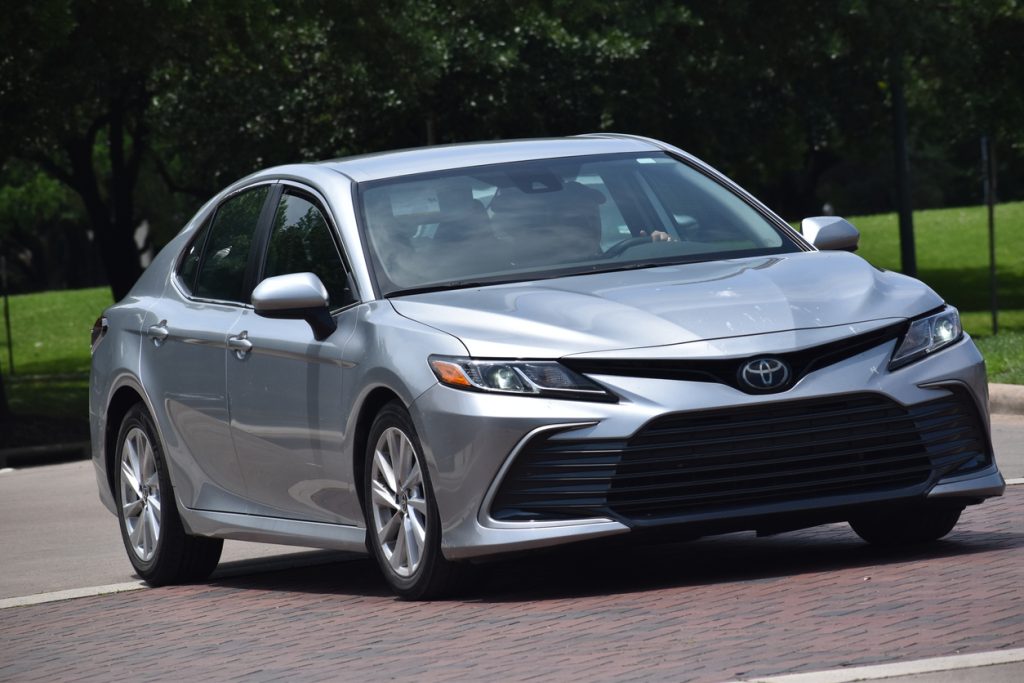
Buying an electric vehicle in Nigeria is becoming more realistic, but it still requires more planning than walking into a dealership and choosing a petrol car. If you want to buy electric car in Nigeria, the important questions go beyond the vehicle price. You also need to think about charging, battery condition, spare parts, import logistics, transport to your city, and whether the model actually suits Nigerian driving conditions.
For buyers in Lagos, Abuja, Port Harcourt and other major cities, the best approach is to plan the purchase around how the vehicle will actually be used every day.
Decide Where You Will Charge Before You Buy
Charging is one of the first things to sort out.
A driver living in Lekki with private parking and a home solar or inverter system has a different situation from someone living in an apartment in Surulere without a dedicated parking space.
Before paying for an EV, confirm:
- whether you can install a charger at home or work;
- the charging connector the vehicle uses;
- how long a full charge normally takes;
- whether your existing power setup can support charging;
- where alternative charging points are available along your regular routes.
For many Nigerian EV owners, dependable home charging is more important than having access to occasional public charging stations.
Check the Battery Carefully When Buying a Used EV
A used electric vehicle can reduce the initial purchase cost, but battery health deserves serious attention.
Do not judge an EV simply by mileage or exterior condition. Ask for information about the battery’s remaining capacity and charging history where available.
A weakened battery may still move the vehicle normally but deliver much less driving range than expected. That becomes frustrating if your normal routine involves long trips across Lagos, regular movement between Abuja districts, or frequent business travel.
It is also worth checking whether replacement battery components and technicians familiar with the model are available locally.
Imported Electric Cars Need Proper Logistics Planning
Many people looking to buy an electric vehicle in Nigeria consider imported units because the local selection may not include every preferred model.
Importing introduces additional planning.
After the vehicle arrives at a Nigerian port, you may need customs processing, vehicle evacuation, inland transport and final delivery. Depending on the vehicle’s condition and registration status, simply driving it away from the port may not be practical.
Travo.ng can support transport coordination and vehicle movement where required, helping buyers arrange the logistics between the arrival point and their preferred destination.
That can be particularly useful when a vehicle needs to move from Lagos to Abuja, Ibadan, Benin City or another state.
Choose an EV Around Your Real Driving Routine
Do not buy based only on the manufacturer’s advertised range.
Think about what your week actually looks like.
Someone driving mainly between Victoria Island, Ikoyi and Lekki may comfortably use an EV with moderate range. A driver regularly travelling between Lagos and Ibadan, however, needs to think more carefully about charging availability and journey planning.
Also consider air-conditioning use, traffic, vehicle load and battery age because these can affect practical driving range.
For commercial or company vehicles, calculate daily kilometres before selecting a model. An EV that works perfectly for office errands may not automatically suit long-distance field operations.
Budget Beyond the Purchase Price
The cost of buying an EV does not end with the car itself.
Your overall budget may include:
- vehicle purchase or import cost;
- customs and clearance expenses;
- inland vehicle transport;
- home charger installation;
- electrical upgrades;
- registration and insurance;
- future specialist maintenance.
Planning these expenses beforehand makes it easier to compare an electric vehicle with a petrol or hybrid alternative fairly.
Arrange the Vehicle Movement Before It Arrives
One common mistake is completing the purchase first and worrying about transportation later.
If you are sourcing an EV from another state or bringing one into Nigeria, arrange the final movement early. Confirm the pickup location, delivery destination and whether the vehicle should be driven, transported on a carrier or moved using another suitable arrangement.
Travo.ng can assist with vehicle transport coordination and related logistics, particularly when buyers need organised movement between cities rather than handling multiple transport providers separately.
Buying an electric car in Nigeria can make sense for the right driver, especially where daily mileage is predictable and reliable charging is available. The safest approach is to evaluate the battery, charging setup, available technical support and transport requirements before making payment.
When you are ready to buy electric car in Nigeria, treat the vehicle purchase and the logistics around it as one complete plan. That makes the transition to electric driving far easier to manage.
