


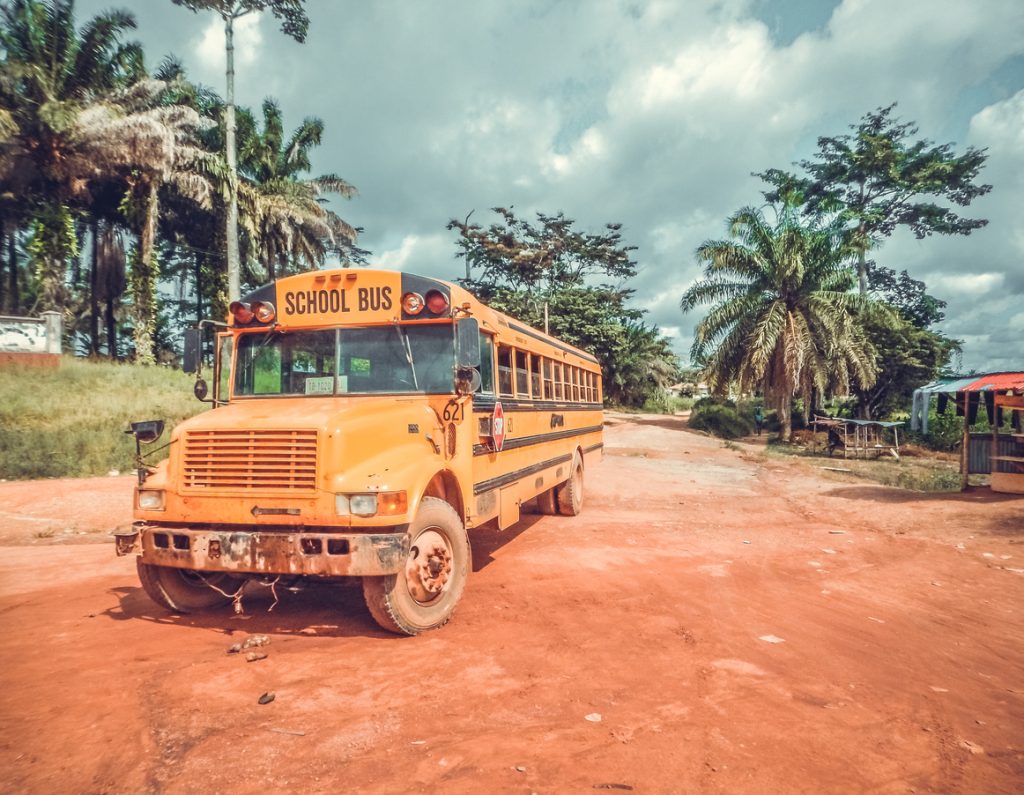
Getting children to and from school every day can be difficult for parents dealing with early work schedules, Lagos traffic, long distances and unreliable transport arrangements. Schools also face pressure to provide organised transportation without exposing pupils to unnecessary delays or safety risks.
Reliable school bus services Nigeria help families and school administrators manage these daily journeys more effectively. A properly coordinated service should offer more than a vehicle and driver. It should include planned routes, verified pickup points, responsible supervision, vehicle maintenance and clear communication when delays occur.
Travo.ng helps schools, parents and organisations arrange practical transport solutions suited to local routes, student numbers and daily schedules.
What Parents Should Expect From a School Bus Service
A dependable school transport arrangement begins with consistency. Parents need to know when the bus will arrive, who is driving it and what happens when traffic or vehicle problems disrupt the route.
The service should provide:
- Agreed morning and afternoon pickup times
- Clearly identified drivers and attendants
- Safe boarding and drop-off procedures
- Emergency contact information
- Regular vehicle inspections
- Routes that avoid unnecessary detours
- Updates when delays or changes occur
For younger pupils, an onboard attendant is particularly important. The attendant can confirm attendance, assist children while boarding and ensure that no pupil is left inside the vehicle after the final stop.
School Routes Must Be Planned Around Real Traffic Conditions
A route that appears short on a map may take much longer during school hours. In Lagos, a bus travelling from Ajah to Lekki Phase 1 can face heavy congestion around Abraham Adesanya, Chevron and the Lekki toll corridor.
Similarly, routes connecting Gwarinpa, Wuse and Maitama in Abuja may experience delays during the morning rush. A school bus operator must understand these conditions before promising unrealistic pickup times.
Good route planning involves grouping pupils by location and limiting the number of unnecessary stops. A child should not spend two hours inside a bus simply because the vehicle crosses several neighbourhoods before reaching the school.
Schools should test routes before the term begins and adjust them when new pupils join or road conditions change.
How Many Pupils Should Be Assigned to One Bus
The number of children assigned to a vehicle should match its approved seating capacity. Overloading creates discomfort, makes supervision difficult and increases safety risks.
Schools should also consider the pupils’ ages. A route carrying nursery and primary school children may require more adult supervision than one carrying senior secondary students.
Before hiring a bus, confirm:
- The vehicle’s legal seating capacity
- Whether seat belts are available and functional
- The number of pupils using the route
- Whether a school attendant will travel with them
- The space required for school bags
- The distance between the first pickup and the school
Choosing the cheapest vehicle without considering these details often leads to overcrowding and repeated complaints from parents.
Vehicle Condition Matters More Than Appearance
A freshly painted bus may still have mechanical problems. Schools should check the condition of the tyres, brakes, lights, doors, seats and emergency equipment before approving any vehicle.
Air conditioning can improve comfort, especially during hot afternoons, but it should not replace basic roadworthiness. The vehicle must also have current documentation and a driver who understands the route.
Regular maintenance is essential because school buses operate on fixed schedules. A breakdown at 6:30 a.m. can leave several families stranded and cause pupils to miss lessons.
Schools should have a backup arrangement for breakdowns, driver illness or unexpected vehicle unavailability.
Clear Communication Prevents Daily Confusion
Many school transport complaints are caused by poor communication rather than the journey itself. Parents should not have to call several people to find out why a bus is late.
A practical communication system may include a dedicated phone number, parent group or assigned transport coordinator. Updates should be sent when:
- The bus is significantly delayed
- A different driver or vehicle will be used
- A child is absent from the pickup point
- Road closures affect the normal route
- Afternoon dismissal times change
Parents must also notify the school when a child will not use the bus. This prevents the driver from waiting unnecessarily and delaying everyone else.
Arrange School Transport With Travo.ng
Finding dependable school bus services Nigeria requires careful attention to safety, timing, route planning and vehicle condition. The right arrangement should make daily school journeys easier for parents while giving administrators better control over student movement.
Travo.ng supports schools and families with vehicle hire, driver coordination and organised transport services across Nigeria. Whether a school needs a bus for daily pickups, excursions, sporting events or educational trips, the service can be planned around the number of passengers, destination and schedule.
Booking early gives schools enough time to inspect vehicles, confirm routes and organise reliable transportation before the academic term begins.
