


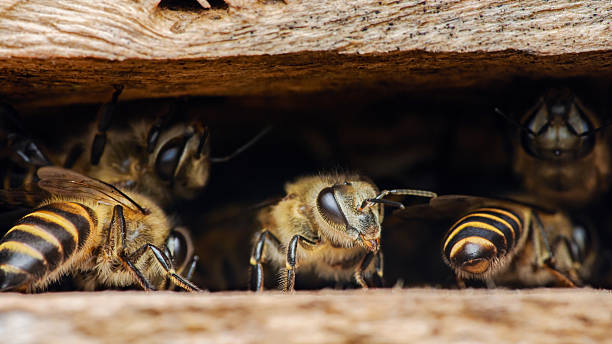
Beehive transport in Nigeria requires careful preparation because a beehive containing a live colony is not ordinary cargo. The hive must remain secure, adequately ventilated and protected from excessive heat and rough movement throughout the journey.
Beekeepers may need to transport hives when establishing a new apiary, expanding a honey production operation, relocating colonies or supplying another farm. Nigeria’s National Board for Technical Education beekeeping curriculum specifically includes preparing new sites, safely loading hives and providing the essential needs of bee colonies during transportation. (Digital NBTE)
When Do You Need Beehive Transport in Nigeria?
Beehive transportation may be needed when:
- Relocating an existing apiary
- Moving colonies to a new farm
- Establishing a new beekeeping site
- Supplying bee colonies to another beekeeper
- Moving hives closer to suitable forage
- Expanding commercial honey production
- Transporting colonies between Nigerian states
A short movement between nearby farms may require less logistical planning than transporting several colonies across long interstate routes.
Preparing Beehives Before Transport
The hive should be inspected before it is loaded. Boxes, lids, bottom boards and other components should be secure and free from loose sections that could shift during transportation.
Hive components should be fastened together so the colony remains stable when the vehicle moves over uneven roads. The hive also needs appropriate ventilation because bees generate heat inside the colony.
FAO guidance on beekeeping recommends ventilated hives for transportation and notes that hives are generally easier to move when loaded in the evening after most bees have returned from foraging. (FAOHome)
Ventilation Is Critical During Beehive Transport
One of the biggest concerns when moving a live colony is overheating. Simply sealing a hive completely to prevent bees from escaping can restrict airflow and create dangerous conditions.
A suitable screened or ventilated arrangement can keep the colony contained while allowing air to circulate. The exact setup should depend on the hive design, weather and journey.
This is particularly important in Nigeria’s warm climate. Transport should be planned to minimise prolonged exposure to extreme heat, and ventilation openings should never be blocked by covers, luggage or other cargo.
Choosing a Suitable Vehicle
The vehicle should provide enough room to position the hives securely. Hives should not be allowed to slide, tip over or collide with one another during the journey.
Depending on the number of colonies, transportation may involve a suitable pickup, truck or other vehicle that provides adequate space and airflow.
The load should be secured properly while still allowing ventilation around the hives. Heavy items should not be placed on top of the colonies.
Loading Beehives Safely
Loading should preferably take place when bee activity is lower, commonly during the evening when many foraging bees have returned.
Handlers should use appropriate protective equipment and work calmly. Sudden impacts and unnecessary vibration can disturb the colony.
The hives should be lifted carefully and positioned so that they remain stable throughout the journey. The vehicle should also be loaded in a way that allows the hives to be unloaded without unnecessary handling.
Transporting Beehives During Hot Weather
Heat management is particularly important when transporting beehives in Nigeria. A colony confined inside a poorly ventilated hive can generate substantial heat, making airflow essential during the journey.
Where practical, transportation can be scheduled during cooler periods. Long periods of waiting in direct sunlight should also be avoided.
Traffic should be considered when planning the route. A journey between Lagos and another major city may take considerably longer during periods of heavy congestion, so the expected travel time should be considered before departure.
Interstate Beehive Transport in Nigeria
Moving beehives between Nigerian states requires additional planning around the route, destination access, journey duration and any applicable regulatory requirements.
The beekeeper should confirm the relevant requirements before the journey, particularly when transporting colonies commercially or across administrative boundaries.
The destination apiary should also be prepared before the vehicle leaves the original site. This reduces the amount of time the colonies spend waiting after arrival.
How Far Can You Move a Beehive?
Distance matters because worker bees use familiar landmarks to navigate back to their colony. Moving a hive only a short distance can therefore create problems if the bees continue returning to the original location.
For this reason, beekeepers should plan the new apiary location carefully rather than treating every hive movement as a simple short-distance delivery. Guidance for honey bee producers also recommends avoiding very short field moves where possible because of the risk of bees returning to the old site. (Canadian Food Inspection Agency)
Preparing the New Apiary
The receiving site should be ready before the hives arrive. Hive stands should already be positioned, with enough space for the colonies and suitable access for unloading.
The hives should be placed securely and positioned according to the beekeeper’s management plan.
The surrounding environment should also be considered. Suitable forage, water availability, security and protection from excessive disturbance can all influence the success of a relocated apiary.
How Much Does Beehive Transport Cost in Nigeria?
Beehive transportation costs vary depending on the size and requirements of the move.
Factors that can affect the price include:
- Number of hives
- Hive size and weight
- Distance
- Vehicle type
- Fuel costs
- Road conditions
- Loading and unloading requirements
- Journey duration
- Number of handlers required
- Access to the pickup and delivery locations
Moving two hives within the same area will have different requirements from relocating a commercial apiary across several states.
Preparing for Beehive Delivery
The receiver should be available when the hives arrive. Delays after arrival can create unnecessary stress for the colonies, particularly in warm weather.
The unloading area should be accessible and the hive stands should already be prepared. Once the hives are positioned, the beekeeper can follow the appropriate procedure for opening and settling the colonies at their new location.
Arranging Beehive Transport With Travo.ng
If you need beehive transport in Nigeria, Travo.ng can help coordinate the logistics around your transportation request where the required service is available.
Beekeepers, honey producers, farms and apiary operators can provide the number of hives, pickup location, destination and preferred delivery date so the transportation requirements can be properly assessed.
For interstate or long-distance beehive transport, early planning is particularly important. Secure hive preparation, adequate ventilation, heat management, careful loading and proper preparation of the new apiary can help make the relocation safer and more organised.
