


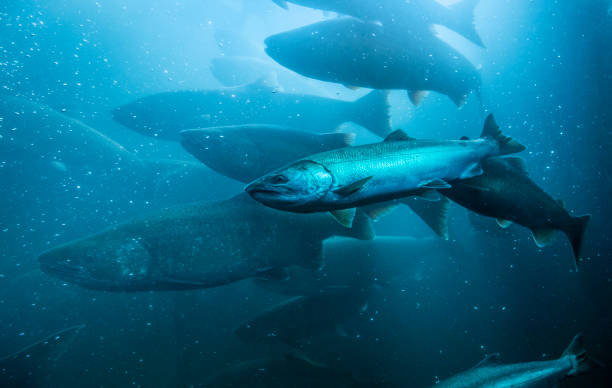
Aquaculture transport in Nigeria covers the movement of live fish, fingerlings, broodstock, feed, equipment and other materials needed for fish farming. For aquaculture businesses, transportation is an important part of the production process because fish can be affected by water quality, oxygen, temperature, handling and journey time.
Whether you operate a small catfish farm, a commercial tilapia operation or a hatchery supplying fingerlings, proper transport planning can help reduce losses and keep farm operations running smoothly.
What Does Aquaculture Transport Include?
Aquaculture transportation can involve several types of movement, including:
- Live fingerlings from hatcheries to farms
- Catfish and tilapia between farms
- Broodstock for breeding operations
- Live fish for stocking ponds
- Fish feed and farming supplies
- Aeration and water management equipment
- Tanks, containers and other aquaculture equipment
- Harvested fish for markets and customers
The transportation method should be selected according to what is being moved. Live fish require very different conditions from bags of feed or farm equipment.
Transporting Live Fish for Aquaculture
Live fish transportation requires particular attention to water quality, oxygen, temperature, stocking density and journey duration. These factors can directly affect fish survival during transportation. (FAOHome)
Fingerlings may be transported in properly prepared oxygenated bags, while larger quantities or bigger fish may require tanks with aeration or oxygen systems.
The appropriate method depends on the fish species, size, quantity and length of the journey.
Moving Fish Fingerlings Between Nigerian Farms
Fingerling transportation is common when farmers purchase young fish from hatcheries for stocking their ponds.
The fish should be packed according to their size and the expected travel conditions. FAO guidance recommends transporting fingerlings during cooler periods such as early morning or late afternoon and using suitable packaging with sufficient oxygen. (FAOHome)
This can be particularly useful in Nigeria, where high daytime temperatures can make long road journeys more challenging.
Catfish and Tilapia Transport in Nigeria
Catfish and tilapia are widely farmed species, and farmers may need to move them between hatcheries, grow-out farms and other facilities.
Transport methods can include oxygenated bags, plastic containers, tanks and vehicles equipped for live fish transportation.
Research conducted on tilapia broodstock in Nigeria has documented transportation using oxygenated nylon bags and road vehicles, showing how oxygen and stocking density can be incorporated into live fish movement. (FAO AGRIS)
However, transport conditions should be determined for the specific fish rather than copying one stocking rate for every journey.
Preparing Fish Before Aquaculture Transport
Preparation should begin before the vehicle arrives.
The farm should confirm:
- Fish species
- Number of fish
- Approximate size
- Pickup location
- Destination
- Expected journey duration
- Required transport containers
- Oxygen or aeration requirements
- Receiving facility
Fish should also be handled carefully during harvesting and packing. Poor handling can cause stress or physical injuries before the journey even begins.
Choosing the Right Aquaculture Transport System
The transportation system depends on what is being moved.
For small fingerlings, oxygenated bags may be practical for suitable journeys. For larger fish or substantial quantities, tanks with aeration or oxygen equipment may be more appropriate.
The containers should be clean, secure and suitable for the fish being transported. During live fish transportation, water quality can deteriorate as fish consume oxygen and release metabolic waste, making journey duration an important consideration. (FAOHome)
Transporting Fish During Nigeria’s Hot Weather
Temperature management is particularly important for aquaculture transportation in Nigeria.
Fish should not be left sitting unnecessarily in direct sunlight or inside poorly ventilated vehicles. Where practical, farmers can schedule transportation during cooler parts of the day.
Traffic should also be considered. A journey that looks short on a map can take considerably longer because of congestion around major cities and busy interstate routes.
Planning for possible delays helps reduce the risk of fish spending longer than expected inside their transport containers.
Interstate Aquaculture Transport in Nigeria
Moving fish between Nigerian states requires additional planning because journeys can involve long distances, traffic, road diversions and other delays.
For example, a hatchery may need to supply fingerlings from Ogun to Lagos, move fish from Oyo to Kwara or transport broodstock between facilities in different parts of the country.
The sender should provide accurate pickup and delivery details and ensure that the receiving farm is ready before the fish leave.
Transporting Aquaculture Equipment and Feed
Aquaculture transport is not limited to live fish.
Fish farms regularly need feed, tanks, pumps, aerators, nets, pipes and other equipment moved between suppliers, warehouses and farms.
These items generally have simpler transportation requirements than live fish, but proper vehicle selection is still important. Heavy or bulky equipment should be secured properly, while bags of feed should be protected from rain and moisture.
Coordinating equipment deliveries with farm construction or stocking schedules can also prevent unnecessary delays.
How Much Does Aquaculture Transport Cost in Nigeria?
Aquaculture transportation costs depend on what is being moved and the distance involved.
For live fish, cost factors can include:
- Number and size of fish
- Species
- Oxygen requirements
- Transport containers
- Vehicle type
- Journey distance
- Fuel costs
- Road conditions
- Journey duration
- Loading and unloading requirements
Transporting a small quantity of fingerlings locally will have different requirements from moving broodstock or large quantities of live fish across several states.
Preparing the Receiving Farm
The destination should be ready before the transportation arrives.
For fingerlings and live fish, the receiving pond or tank should be prepared in advance. The farmer should also have suitable water available for acclimatisation and stocking.
FAO aquaculture guidance recommends gradually adjusting transported fish to the conditions of the receiving water rather than immediately exposing them to a significantly different environment. (FAOHome)
For equipment and feed deliveries, the farm should have a suitable storage or installation area ready.
Arranging Aquaculture Transport With Travo.ng
If you need aquaculture transport in Nigeria, Travo.ng can help coordinate the logistics around your transportation request where the required service is available.
Fish farmers, hatcheries, aquaculture suppliers and commercial fish businesses can provide the type of fish or materials being moved, quantity, pickup location, destination and preferred delivery date.
For long-distance aquaculture transport, early planning is especially important. Choosing suitable containers, managing oxygen and temperature, planning the route and preparing the receiving farm can make the movement of fish and aquaculture supplies more reliable.
