


Importing live animals into Nigeria involves more than arranging an international flight, vessel or border crossing. Once the animals arrive in the country, they may need to undergo veterinary inspection, quarantine procedures and other regulatory checks before they can be released to the importer.
Animal transport for import Nigeria therefore needs to be planned around both international arrival arrangements and the domestic journey from the airport, seaport or land border to the final destination.
What Animals Are Commonly Imported Into Nigeria?
Imported live animals can include cattle, horses, sheep, goats, dogs, cats, poultry and other commercially or privately imported animals. Nigeria Agricultural Quarantine Service (NAQS) carries out health inspection of imported live animals, including several of these categories. (National Agricultural Quarantine Service)
The requirements can vary significantly depending on the species, purpose of importation and country of origin. An importer bringing in breeding animals may have different requirements from someone importing a pet or poultry stock.
Start With the Import Requirements
The import process should be organised before the animals leave their country of origin.
NAQS states that importation of animals and animal products requires documentation such as an import permit, sanitary or health certification and laboratory test results for specified diseases. (National Agricultural Quarantine Service)
Importers should confirm the applicable requirements for their particular animal before booking transportation. This helps prevent animals from arriving at a Nigerian entry point without the documents or approvals needed for the next stage.
Preparing Animals Before They Leave the Exporting Country
The condition of the animals before departure can affect the entire transportation process.
The importer and exporter should coordinate veterinary examinations, required tests, health certificates and transportation arrangements in advance. Animals should also be prepared for the expected journey based on their species, age, health condition and transportation method.
The international carrier and Nigerian receiving party should have matching information about the animals, destination and expected arrival.
What Happens When Imported Animals Arrive in Nigeria?
Imported live animals are subject to quarantine inspection and certification at designated facilities before release into the national herd. (National Agricultural Quarantine Service)
At the point of entry, the importer may need to declare the animals and present the documents accompanying the shipment. NAQS procedures provide for inspection of the animals and documentation, with live animals potentially being moved to quarantine stations for observation. (National Agricultural Quarantine Service)
This means the domestic transport arrangement should account for the possibility that animals will first need to remain at an approved quarantine facility rather than travelling immediately to the final destination.
Transporting Animals From the Airport
For animals arriving by air, the journey does not end when the aircraft lands.
The importer may need transportation from the airport to a quarantine facility, farm, ranch, breeding centre, veterinary facility or other approved destination, depending on the circumstances.
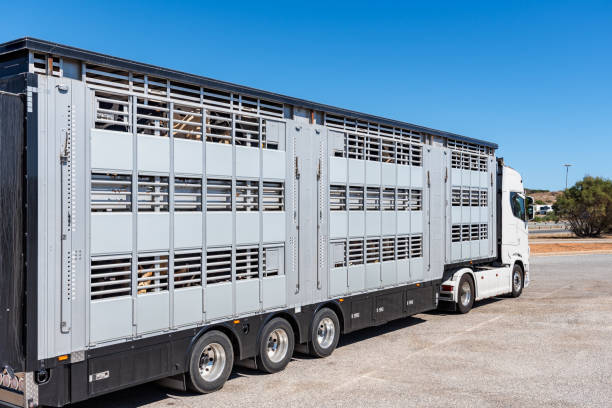
A suitable livestock or animal transport vehicle should be arranged in advance. The vehicle should provide secure containment and appropriate ventilation for the species being moved.
For example, transporting imported cattle from an airport to a farm requires a very different setup from transporting imported dogs or cats to a private residence.
Transporting Imported Animals From a Seaport
Some animals or animal consignments may enter Nigeria through seaports. In such cases, coordination between the importer, port authorities, quarantine officials and transport provider is important.
The domestic transporter should know the expected release arrangements before arriving at the port. Unnecessary waiting can complicate animal handling, especially where the animals need controlled conditions.
The transport vehicle should also be ready to move the animals safely once the required inspection and clearance processes have been completed.
Land Border Animal Imports
Animals entering Nigeria through land borders may also be subject to veterinary inspection and documentation checks.
Importers should not assume that animals can simply cross the border and continue to a farm or market. Nigeria’s quarantine system is designed to help prevent the introduction and spread of foreign animal diseases and other risks. (National Agricultural Quarantine Service)
The exact procedures depend on the type of animal and import arrangement, so requirements should be confirmed before the journey begins.
Planning the Journey to the Final Destination
Once animals have been released for domestic movement, the route to their final destination should be planned carefully.
The journey could involve transporting animals from Lagos to Ibadan, Abuja to Kaduna, Kano to another northern state, or from an entry point to a farm in a more remote location.
Traffic, road conditions, weather and journey duration should all be considered. For longer journeys, arrangements for appropriate handling, ventilation, feeding and watering should be based on the species and veterinary guidance.
How Much Does Animal Import Transport Cost in Nigeria?
There is no standard price for transporting imported animals within Nigeria. Costs can depend on:
• Animal species and number
• Airport, seaport or border of arrival
• Quarantine facility location
• Final delivery destination
• Domestic travel distance
• Vehicle type and capacity
• Loading and unloading requirements
• Waiting time during clearance
• Special handling requirements
• Road conditions and fuel expenses
Importers should provide the complete movement details before requesting a transport quotation.
Wildlife and Special Animal Imports
Wildlife, endangered species and other specially regulated animals may require additional permits and controls.
NAQS notes that CITES permits may be required for endangered species and wildlife imported into or exported from Nigeria. (National Agricultural Quarantine Service)
Importers should therefore establish the applicable permits and restrictions before making transportation arrangements. Specialist animals should not be treated as ordinary livestock or general cargo.
Arranging Imported Animal Transport With Travo.ng
Travo.ng can help coordinate domestic transportation for imported animals where the requested service is available.
When making an arrangement, provide the animal species, number of animals, Nigerian entry point, quarantine location if applicable, final destination and expected release date. This allows the transport requirements to be assessed before the vehicle is dispatched.
For international animal imports, transport should be planned as one connected process from the country of origin through Nigerian arrival, quarantine and final delivery. Proper coordination can help reduce unnecessary delays and ensure the domestic transportation arrangement is ready when the animals are cleared for movement.
