


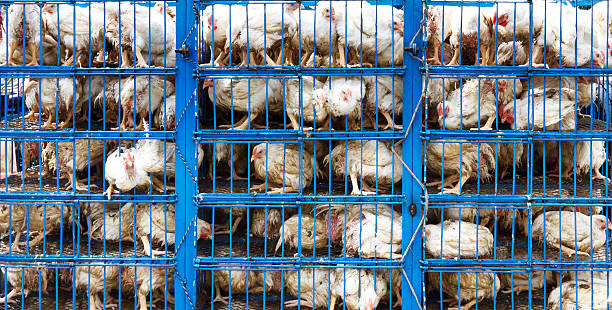
Moving animals within Nigeria or across international borders involves more than arranging a suitable vehicle. Depending on the type of animal, destination and purpose of the journey, the owner may need veterinary certificates, movement permits, quarantine documentation or other approvals.
Animal transport documentation Nigeria is particularly important for livestock traders, farmers, breeders, pet owners, animal exporters and businesses moving animals between states.
Having the necessary documents ready before departure can reduce delays at veterinary control points, quarantine facilities and other inspection locations.
Veterinary Movement and Loading Permits
For interstate movement of trade animals, veterinary movement and loading permits are an important part of the regulatory process.
The Nigeria Agricultural Quarantine Service Act provides for inspection and animal disease surveillance at interstate veterinary control posts, where trade animals are to be accompanied by veterinary movement and loading permits. (National Agricultural Quarantine Service)
This is especially relevant to farmers and livestock traders transporting cattle, goats, sheep and other commercial animals between Nigerian states.
The exact requirements can depend on the animal and movement, so documentation should be confirmed with the relevant veterinary authority before departure.
Veterinary Health Certificates
A veterinary health certificate provides information about the health status of an animal and can be required for regulated animal movements.
For international movements, NAQS identifies veterinary health certification among the documentation used for importing and exporting animals. Its Animal Quarantine Department also authenticates international veterinary certificates accompanying imported animals. (National Agricultural Quarantine Service)
Pet owners, livestock businesses and exporters should therefore establish whether a health certificate is required before booking transportation.
Import and Export Permits
International animal transportation has additional documentation requirements.
For imports, NAQS states that an import permit, sanitary or health certificate and laboratory test results for specified diseases form part of the requirements for animals and animal products. (National Agricultural Quarantine Service)
For exports, the process can involve an export permit, notification to NAQS, inspection, quarantine where applicable, laboratory analysis and quarantine clearance. (National Agricultural Quarantine Service)
These requirements should be arranged before the animal reaches the airport, seaport or other international departure or arrival point.
Quarantine Documentation
Quarantine requirements can apply to animals entering or leaving Nigeria.
NAQS states that imported live animals are subject to quarantine inspection and certification at designated quarantine stations before release into the national herd. (National Agricultural Quarantine Service)
Imported animals may therefore need to remain at an approved quarantine facility before continuing to their final destination.
Transport arrangements should take this possibility into account rather than assuming that animals can travel directly from the airport or border to the owner’s farm or residence.
Documents for Animal Transport Within Nigeria
For domestic movements, the documentation required can depend on the species, route and purpose of transportation.
A livestock owner may need to prepare:
• Veterinary movement documentation
• Veterinary loading documentation
• Animal health records where applicable
• Ownership or transaction records where relevant
• Identification details for the animals where required
• Destination information
• Additional documents requested by veterinary authorities
Farmers transporting animals between states should confirm the applicable requirements before loading the vehicle.
Documentation for Dogs, Cats and Other Pets
Pet transportation can have different requirements from commercial livestock movement.
For example, someone moving a dog from Lagos to Abuja may need to consider veterinary health documentation and any requirements imposed by the receiving destination or carrier.
International pet movement can involve substantially more paperwork, including veterinary certification, import permits, vaccination or laboratory requirements depending on the destination country.
Pet owners should confirm these requirements well before the planned travel date rather than waiting until the animal is ready to leave.
Documentation for Wildlife and Protected Animals
Wildlife and endangered species require particular attention.
NAQS states that CITES permits issued by the Federal Ministry of Environment are required for endangered species and wildlife in applicable import and export situations. (National Agricultural Quarantine Service)
A wildlife movement should therefore not be treated like ordinary livestock or pet transportation. The owner should establish the applicable permits and restrictions before making travel arrangements.
Keep Documents Ready During Transportation
Documents should be organised before the vehicle leaves the farm, home, kennel, ranch or other pickup location.
For interstate livestock movement, this is particularly important because animals may encounter veterinary control posts during the journey.
The driver or responsible handler should know which documents accompany the animals and where they are kept. Important paperwork should be protected from damage or loss during the trip.
What Happens If Documentation Is Missing?
Missing or incorrect documentation can cause delays, inspections, quarantine action or other regulatory problems.
The NAQS Act also makes it an offence to transport animals that are known to have been illegally imported or to provide false information for obtaining regulated documents. (National Agricultural Quarantine Service)
For this reason, owners should not rely on informal arrangements when transporting regulated animals across states or international borders.
How to Prepare Animal Transport Documentation
A practical way to prepare is to establish the following before booking the vehicle:
• What animal is being transported
• Number of animals
• Pickup location
• Destination
• Whether the movement is within one state or interstate
• Purpose of the movement
• Whether the animals are being imported or exported
• Whether veterinary inspection is required
• Whether quarantine applies
• Whether special permits are required
Once these details are known, the owner can confirm the relevant documentation with the appropriate veterinary or quarantine authority.
Arranging Animal Transport With Travo.ng
Travo.ng can help coordinate the transportation side of animal movements where the requested service is available. When requesting transportation, provide the animal type, number of animals, pickup point, destination, travel date and whether the movement is domestic, interstate or connected to an import or export shipment.
Documentation remains the responsibility of the animal owner or exporter and the relevant regulatory authorities, but having the paperwork organised before transportation begins can make the overall movement easier to coordinate.
For farmers, livestock traders, breeders and pet owners, planning documentation alongside the vehicle and route helps reduce avoidable delays and prepares the journey for any required inspection points.
