


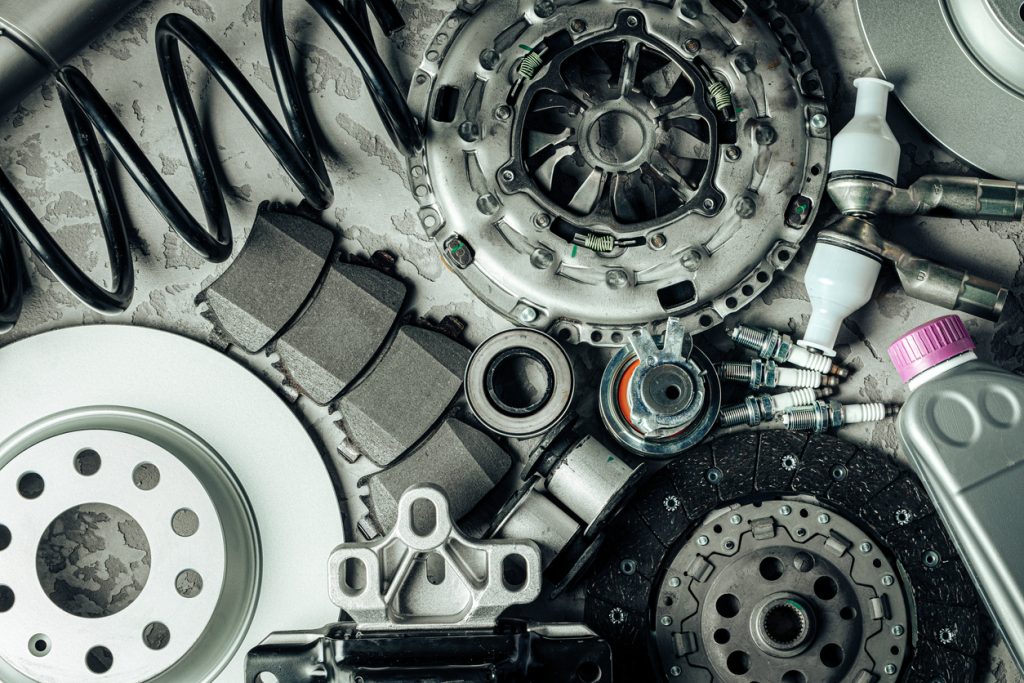
Buying aftermarket car parts in Nigeria can save money and make vehicle repairs faster, especially when an original manufacturer part is difficult to find. The challenge is not simply locating a spare part. Buyers also have to confirm compatibility, avoid poor-quality replacements, negotiate realistic prices, and arrange safe delivery to the mechanic or vehicle owner.
In Lagos, for example, a workshop in Lekki may find the required part in Ladipo, Mushin, while a customer in Abuja might need a component supplied from Lagos. That means sourcing and logistics are often connected.
Travo.ng can support customers and businesses with pickup, courier delivery, cargo movement, and transport coordination when vehicle parts need to move within Lagos or to other Nigerian cities.
Know Exactly Which Car Part You Need Before Paying
One of the most common mistakes when buying replacement components is searching only by the general vehicle name.
A Toyota Camry produced in different years may use different sensors, brake components, suspension parts, or engine accessories. Even vehicles from the same production year can sometimes have variations.
Before ordering, provide as much information as possible, including:
- Vehicle make and model
- Production year
- Engine size
- Part number where available
- Chassis or VIN details when necessary
- Clear photograph of the old component
For electronic parts such as sensors, control modules, switches, and alternators, checking the part number is particularly important.
A cheap part becomes expensive when it arrives at the workshop and cannot fit the vehicle.
Where Aftermarket Car Parts in Nigeria Commonly Come From
Nigeria’s automotive spare-parts market includes locally distributed replacements as well as products imported from Asia, Europe, the Middle East, and North America.
Lagos remains one of the country’s major distribution centres. Areas such as Ladipo are widely associated with automotive parts trading, while dealers in Abuja, Port Harcourt, Benin City, Onitsha, and other commercial centres also supply different vehicle brands.
Availability usually depends on the vehicle.
Parts for commonly driven Toyota, Honda, Lexus, Hyundai, Kia, Mercedes-Benz, and Nissan models are often easier to source than components for less common vehicles.
For unusual parts, the seller may need to source the item from another state rather than keep it permanently in stock.
Cheap Parts Are Not Always the Cheapest Repair Option
Aftermarket does not automatically mean poor quality. The market contains everything from reputable replacement brands to very cheap components with inconsistent durability.
Consider a suspension component that costs ₦35,000 from one supplier while another version sells for ₦55,000. Choosing the cheaper item may appear sensible, but repeated replacement, mechanic labour, and vehicle downtime can quickly remove the initial saving.
Prices also change frequently because many spare parts are imported and therefore affected by exchange rates, shipping expenses, customs costs, and local availability.
When comparing prices, ask about the manufacturer, warranty conditions, and whether the part is new, refurbished, or used.
Getting Car Parts Across Lagos Without Losing a Working Day
Traffic is another practical problem.
Someone working in Victoria Island may find the required component in Mushin but have no reason to spend several hours travelling across Lagos simply to collect it.
This is where organised pickup and delivery becomes useful.
A courier can collect smaller items such as filters, plugs, sensors, belts, mirrors, brake pads, and electrical components. Larger items including bumpers, complete suspension assemblies, engines, gearboxes, or multiple cartons may require a suitable vehicle rather than a motorcycle.
Travo.ng can coordinate vehicle-part pickup and delivery based on the size, weight, collection location, and destination.
Sending Vehicle Parts From Lagos to Other Nigerian Cities
Some repairs depend on parts that are easier to find in Lagos than elsewhere.
A mechanic in Abuja, Ibadan, Enugu, Warri, or Port Harcourt may therefore ask a customer to purchase the component from a Lagos supplier.
Before interstate movement, fragile or sensitive items should be packaged properly. Headlamps, windscreens, electronic modules, and body components require more protection than heavy metal parts.
The sender should also confirm the exact item before dispatch because returning the wrong component across states adds unnecessary transport costs and repair delays.
For businesses handling regular spare-parts movement, Travo.ng can assist with courier services, cargo logistics, delivery coordination, and interstate transport arrangements.
Make the Purchase and Delivery Process Simple
Finding reliable aftermarket car parts in Nigeria requires more than choosing the lowest advertised price. Confirm the correct specification, compare quality, check the seller carefully, and plan transportation before payment.
When the right component has already been located, Travo.ng can help coordinate collection and delivery so customers, mechanics, spare-parts dealers, and fleet operators do not have to manage every movement themselves.
Whether the part is moving across Lagos or from one Nigerian city to another, proper sourcing information and organised logistics can reduce repair delays and get the vehicle back on the road faster.
