


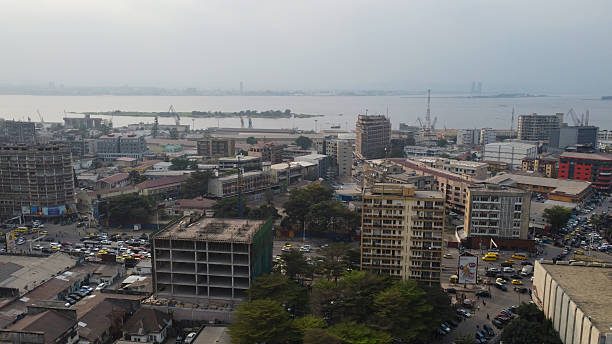
Lagos traffic refers to the heavy congestion of vehicles on roads across Lagos State, especially during peak hours. It is one of the most intense traffic situations in Africa due to the city’s population size, business activity, and limited road capacity.
It affects commuters, logistics companies, delivery riders, and private drivers every single day.
Why Lagos Traffic Is So Heavy
1. High Population Density
- Lagos has over 20 million residents
- Many people commute daily for work and business
2. Limited Road Infrastructure
- Roads were not built for current population size
- Few alternative routes in many areas
3. Peak Hour Rush
- Morning: 5:30am – 10:00am
- Evening: 4:00pm – 9:00pm
- Extreme congestion during these times
4. Commercial Activity
- Heavy movement of trucks, buses, and delivery vans
- Markets and ports increase road pressure
5. Road Accidents & Breakdowns
- Even minor incidents cause long delays
- Recovery of broken-down vehicles worsens congestion
Worst Traffic Areas in Lagos
Common congestion hotspots include:
- Third Mainland Bridge
- Ikorodu Road
- Oshodi – Apapa Expressway
- Lekki–Epe Expressway
- Lagos–Ibadan Expressway entry points
- Mile 2 – Apapa Port axis
Effects of Lagos Traffic
1. Time Loss
- Short trips can take hours
2. High Fuel Consumption
- Constant stop-and-go driving increases fuel usage
3. Stress & Fatigue
- Long hours in traffic affect mental and physical health
4. Business Delays
- Logistics deliveries often arrive late
- Missed appointments and deadlines
5. Vehicle Wear and Tear
- Brake wear increases
- Engine overheating risk rises
- Clutch damage in manual cars
Impact on Logistics & Delivery Services
Lagos traffic is a major challenge for transport companies:
- Delayed deliveries
- Higher operational costs
- Difficult route planning
- Need for real-time tracking
- Increased demand for motorcycles and last-mile delivery
Many logistics firms now use:
- GPS tracking systems
- Route optimization tools
- Night-time deliveries
Ways to Reduce Time in Lagos Traffic
1. Leave Early or Late
- Avoid peak hours
2. Use Alternative Routes
- Smaller roads instead of highways where possible
3. Use Traffic Apps
- Google Maps
- Waze (real-time traffic updates)
4. Plan Deliveries Strategically
- Schedule logistics outside rush hours
5. Use Motorbikes for Short Trips
- Faster movement in congested areas
Government Efforts to Improve Traffic
- Expansion of road networks
- Construction of bridges and flyovers
- Traffic management by LASTMA
- Rail transport development (Blue Line, Red Line)
Conclusion
Lagos traffic is a daily reality shaped by population growth, limited infrastructure, and high commercial activity. While it cannot be avoided completely, smart planning, route optimization, and timing can significantly reduce its impact—especially for commuters and logistics operators.
