


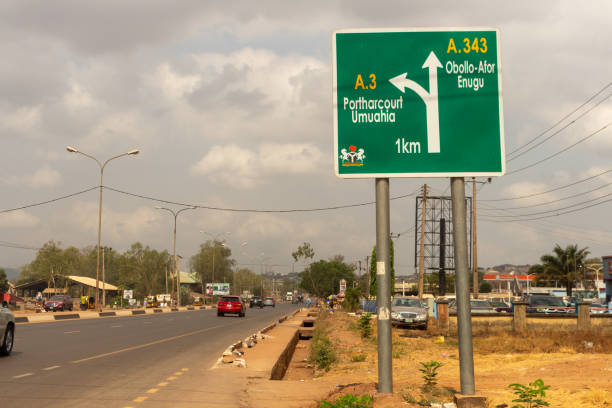
A drink driving limit refers to the maximum amount of alcohol a driver is legally allowed to have in their system while operating a vehicle. Going above this limit is considered drunk driving, which is dangerous and illegal.
In Nigeria, enforcement is handled by agencies like the Federal Road Safety Corps (FRSC) and state traffic authorities.
Alcohol Limit for Driving in Nigeria
Nigeria follows a zero-tolerance approach in practice, especially for commercial drivers.
However, general reference limits used internationally (and sometimes applied in enforcement testing) are:
- 0.05% Blood Alcohol Concentration (BAC) — typical global limit for private drivers
- 0.00% BAC — expected for commercial/public transport drivers
👉 In simple terms: any noticeable alcohol can put you at risk legally and medically while driving in Nigeria.
What Counts as Drink Driving
You are considered impaired if you:
- Drive after drinking alcohol (beer, wine, spirits)
- Show signs of intoxication (swerving, slow reaction)
- Fail roadside breath tests
- Are involved in an accident with alcohol detected
Effects of Alcohol on Driving
Even small amounts of alcohol can:
- Slow reaction time
- Reduce concentration
- Affect vision and coordination
- Increase risk-taking behavior
- Delay braking response
Common Symptoms of Drunk Driving
- Slurred speech
- Poor balance
- Difficulty staying in lane
- Over-speeding or slow driving
- Confusion or delayed responses
Penalties for Drink Driving in Nigeria
If caught:
- Fines (vary by state and offence level)
- Vehicle impoundment
- Licence suspension
- Mandatory court appearance
- Possible imprisonment in severe cases
- Criminal record for serious offences
FRSC Enforcement Methods
Authorities may use:
- Breathalyzer tests
- Roadside alcohol checks
- Accident scene testing
- Observation of driving behavior
Why Drink Driving Is Dangerous
- Causes road accidents and fatalities
- Reduces driver control
- Endangers passengers and pedestrians
- Increases insurance and legal risks
Safe Alternatives
If you drink:
- Use a designated driver
- Call ride-hailing services
- Stay overnight before driving
- Use public transport
For Logistics & Commercial Drivers
For transport and delivery operations:
- Alcohol is strictly prohibited while on duty
- Companies enforce zero tolerance policies
- Violations can lead to job loss and liability
- Fleet insurance may be invalidated in alcohol-related accidents
Conclusion
The drink driving limit is essentially very low in Nigeria, with strict enforcement especially for commercial drivers. Even small amounts of alcohol can impair driving ability and lead to serious legal and safety consequences. The safest limit is zero alcohol before driving.
