


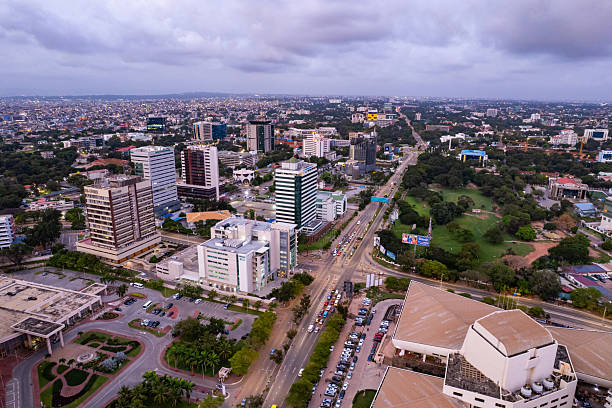
Accra traffic refers to the road congestion experienced in Accra, the capital of Ghana. Like Lagos, it is known for heavy rush-hour delays caused by population growth, commercial activity, and limited road capacity in key areas.
Why Accra Traffic Happens
1. Growing Population
- More residents and commuters entering the city daily
- High movement between suburbs and the city center
2. Peak Hour Congestion
- Morning: 6:00am – 9:30am
- Evening: 4:30pm – 8:30pm
- Roads become heavily saturated during these times
3. Limited Major Routes
- Few alternative highways into central Accra
- Bottlenecks form easily on main roads
4. Commercial & Market Activity
- Busy business districts like Circle and Makola
- Heavy loading/unloading of goods on roads
5. Road Accidents & Breakdowns
- Even small incidents can block major lanes
- Recovery delays worsen congestion
Worst Traffic Areas in Accra
Common hotspots include:
- Kwame Nkrumah Circle (Circle area)
- Spintex Road
- Tema Motorway stretch
- Kaneshie
- Achimota–Ofankor road
- Airport Road (peak hours)
Effects of Accra Traffic
1. Time Delays
- Short trips can take significantly longer during rush hours
2. Fuel Consumption
- Stop-and-go driving increases fuel usage
3. Stress & Fatigue
- Long commuting hours affect productivity
4. Business & Delivery Delays
- Logistics and courier services experience scheduling issues
5. Vehicle Wear
- Brake wear, overheating, and clutch strain increase
Impact on Logistics & Transport
Accra traffic affects:
- Delivery timelines
- Ride-hailing earnings
- Freight movement between Accra and Tema Port
- Fleet scheduling efficiency
Many operators now rely on:
- GPS tracking
- Route planning apps
- Off-peak delivery schedules
Tips to Beat Accra Traffic
- Travel outside peak hours
- Use alternative routes where possible
- Rely on navigation apps (Google Maps, Waze)
- Plan deliveries early morning or late evening
- Avoid unnecessary inner-city trips during rush hour
Conclusion
Accra traffic is a major urban challenge shaped by rapid growth and limited road expansion. While congestion is unavoidable at peak times, smart route planning and timing can significantly reduce delays for commuters and logistics operators.
