


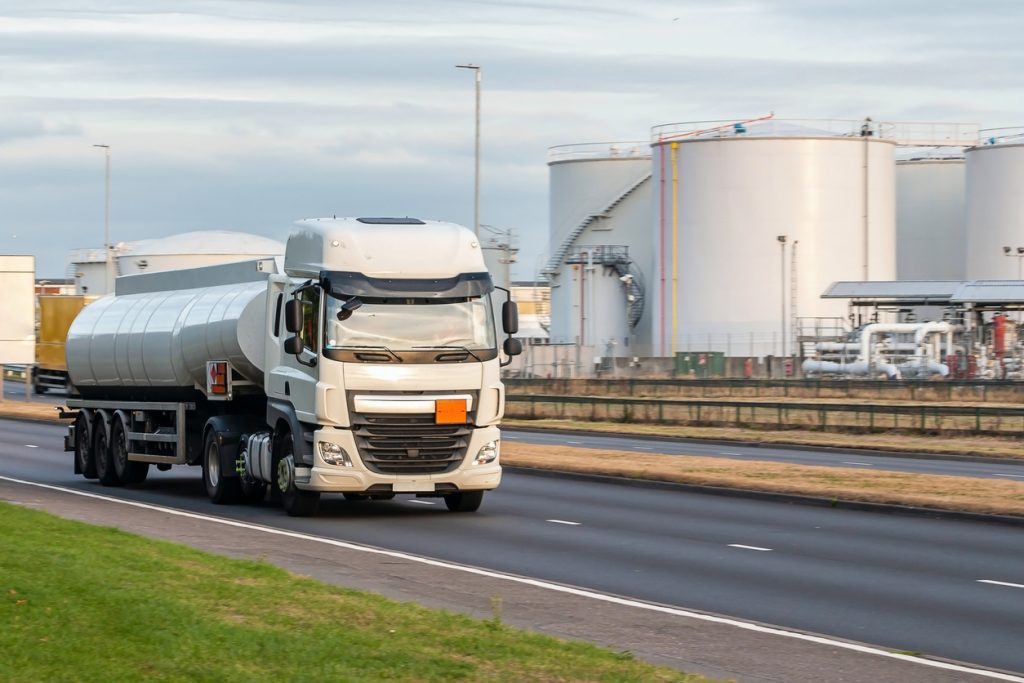
Moving petroleum products across Nigeria is not as simple as loading fuel into a truck and sending it off. Between bad road sections, traffic bottlenecks, security checkpoints, fluctuating diesel prices, and strict depot procedures, petroleum tanker haulage in Nigeria requires proper coordination and operational experience.
For businesses that rely on timely fuel supply — filling stations, construction firms, factories, hotels, telecom sites, and industrial operations — one delayed tanker can disrupt daily operations and revenue. That is why many businesses now prefer working with logistics providers that understand both the transportation side and the realities of Nigeria’s downstream petroleum movement.
At Travo.ng, petroleum haulage support is handled with practical planning, route coordination, and transport scheduling that matches real Nigerian operating conditions.
What Fuel Transport Looks Like on Major Nigerian Routes
Some of the busiest petroleum haulage corridors in Nigeria include:
- Lagos to Abuja
- Lagos to Ibadan
- Port Harcourt to Enugu
- Warri to Benin
- Calabar to Uyo
- Lagos to Kano
- Port Harcourt to Owerri
Each route comes with different operational challenges.
For example, tankers moving from Apapa depots in Lagos often face long loading queues before departure. During peak periods, trucks can spend several hours waiting for depot clearance. Once on the road, areas around Berger, Sagamu interchange, Lokoja, and parts of the Abuja-Kaduna corridor can significantly affect delivery timelines.
Experienced transport coordinators already factor these realities into delivery planning instead of giving unrealistic arrival promises.
What Actually Affects Petroleum Haulage Costs
One mistake many businesses make is assuming tanker pricing is fixed nationwide. In reality, petroleum transport rates change based on several factors:
- Distance and route condition
- Volume being transported
- Security risk level
- Waiting time at depots
- Diesel cost fluctuations
- Seasonal demand
- Return load availability
For instance, transporting PMS from Lagos to Abuja will not cost the same as transporting AGO to Jos or Enugu. During fuel scarcity periods or festive travel seasons, haulage prices can rise due to truck demand and longer loading delays.
Businesses moving products regularly usually save money by scheduling transport early rather than sourcing emergency trucks at the last minute.
Why Delays Happen More Than People Expect
In Nigeria, fuel movement delays are rarely caused by one single issue. Most delays happen because multiple small operational problems stack together.
Common causes include:
- Depot loading backlog
- Road accidents involving heavy-duty trucks
- Tanker breakdowns
- Incomplete waybill documentation
- State transport restrictions
- Weather-related road conditions
- Night movement limitations in certain areas
This is why proper coordination matters. Reliable petroleum tanker haulage in Nigeria depends heavily on communication between depot operators, drivers, dispatch teams, and receiving businesses.
Many companies now prefer using logistics coordinators that provide transport updates instead of leaving customers guessing where their product is.
Safety Is More Important Than Speed
A major issue in fuel transportation is the pressure drivers face to meet unrealistic delivery expectations. Speed matters, but safety matters more.
Overloaded tankers, poor vehicle maintenance, fatigued drivers, and unsafe night driving have contributed to several highway incidents across Nigeria over the years.
Businesses now pay closer attention to:
- Driver experience
- Vehicle condition
- Insurance coverage
- Route planning
- Emergency response coordination
For companies moving large fuel volumes regularly, transport reliability is often more valuable than simply choosing the cheapest truck available.
How Businesses Handle Large-Scale Fuel Logistics
Hotels, manufacturing companies, telecom providers, and construction firms often need recurring petroleum deliveries across multiple locations.
Instead of arranging trucks individually every time, many businesses now work with logistics partners that help coordinate:
- Scheduled tanker dispatch
- Interstate delivery planning
- Vehicle tracking support
- Driver coordination
- Route scheduling
- Delivery documentation
This reduces operational stress, especially for businesses handling diesel supply for generators or industrial equipment across multiple states.
Travo.ng also supports related logistics coordination services including interstate transport arrangements, corporate travel planning, airport pickups for business teams, vehicle hire, and business movement support where necessary.
The Best Time to Schedule Tanker Deliveries
Timing affects fuel movement more than many people realize.
Deliveries scheduled during:
- Heavy festive traffic
- Election periods
- Peak fuel scarcity
- Extreme rainfall seasons
- Major road construction periods
usually experience longer transit times.
Businesses that plan deliveries ahead often avoid emergency transport premiums and unnecessary operational downtime.
For Lagos-based businesses especially, early scheduling helps avoid severe Apapa traffic congestion and depot delays that can disrupt nationwide movement schedules.
Choosing a Reliable Petroleum Transport Partner
Before booking any petroleum tanker haulage in Nigeria, businesses should ask practical questions:
- Is the truck suitable for the product volume?
- What is the realistic delivery timeline?
- Who handles coordination during delays?
- Is there communication throughout transit?
- How experienced is the driver on that route?
- Are contingency plans available if issues arise?
Reliable logistics support is not just about moving fuel. It is about reducing business disruption, improving planning, and ensuring products arrive safely and on time.
For businesses handling regular petroleum movement across Nigeria, working with experienced logistics coordinators like Travo.ng helps simplify transport planning while reducing unnecessary operational risk.
