


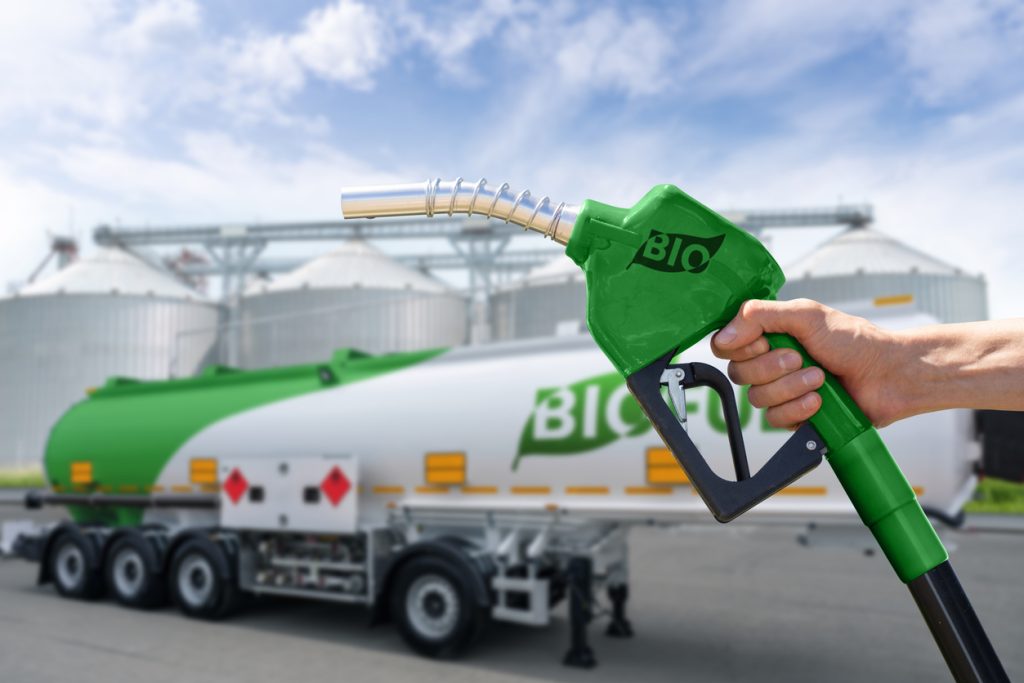
Fuel consumption remains a major concern for Nigerian businesses, transport operators, and households. With changing petrol and diesel prices, managing fuel expenses while reducing environmental damage has become increasingly important.
Environmental fuel efficiency in Nigeria involves using less fuel to complete transport and logistics activities without sacrificing productivity. For businesses operating in Lagos, Abuja, and Port Harcourt, improving fuel efficiency can reduce operating costs, limit emissions, and make transportation more sustainable.
How Poor Fuel Management Affects Nigerian Transport
Many commercial vehicles consume more fuel than necessary because of traffic congestion, poor maintenance, unnecessary engine idling, and inefficient delivery routes.
A delivery van travelling between Ikeja and Victoria Island may spend hours in traffic, especially during morning and evening rush periods. When drivers leave engines running during prolonged stops, fuel consumption increases without covering additional distance.
Businesses operating multiple vehicles experience even greater losses when these habits become routine.
Improving environmental fuel efficiency requires better route planning, responsible driving, and regular vehicle inspections.
Practical Ways to Improve Environmental Fuel Efficiency in Nigeria
Transport operators do not necessarily need expensive technology to reduce fuel consumption. Small operational changes can produce meaningful savings.
Some effective measures include:
- Plan delivery routes: Combine nearby deliveries to reduce unnecessary journeys.
- Maintain vehicles regularly: Service engines, replace clogged filters, and maintain recommended tyre pressure.
- Reduce engine idling: Switch off engines during extended stops when safe and practical.
- Monitor fuel consumption: Record fuel purchases, mileage, and vehicle performance.
- Avoid overloading: Carry cargo within approved vehicle weight limits.
- Train drivers: Encourage smooth acceleration, controlled braking, and responsible driving.
For businesses handling daily deliveries across Lagos, these practices can reduce avoidable fuel expenses.
How Better Delivery Planning Reduces Fuel Waste
Poor scheduling is another major reason logistics companies consume excessive fuel.
Consider a business delivering products to customers in Lekki, Surulere, and Yaba. Sending separate vehicles for every order may increase travel distances and operating expenses.
A more efficient arrangement involves grouping deliveries according to location, vehicle capacity, and customer deadlines.
However, delivery consolidation must account for Lagos traffic conditions. Combining too many distant destinations can create delays rather than savings.
Travo.ng supports businesses with delivery coordination, courier services, and cargo logistics arrangements that help customers organise transportation more efficiently.
Fuel-Efficient Transport Choices for Nigerian Businesses
Choosing the right vehicle for each assignment also influences fuel consumption.
Using a large truck to transport a few lightweight packages wastes capacity and may increase fuel costs. Similarly, assigning several smaller vehicles to move cargo that fits safely into one suitable truck creates unnecessary journeys.
Businesses should consider shipment weight, delivery distance, vehicle condition, and road accessibility before arranging transportation.
For interstate movements such as Lagos to Abuja, proper cargo planning can reduce unnecessary return trips and improve vehicle utilisation.
Through Travo.ng, businesses can arrange suitable transport and logistics support based on their operational requirements.
Making Nigerian Transport More Sustainable
Environmental fuel efficiency in Nigeria is not simply about buying less petrol or diesel. It requires consistent decisions that improve how vehicles, drivers, and delivery schedules are managed.
Businesses should review fuel records monthly, investigate unusual consumption, and prioritise preventive maintenance.
Cleaner transportation begins with practical improvements that operators can maintain over time.
Whether coordinating business deliveries, arranging cargo movement, or organising vehicle hire, Travo.ng helps customers plan transportation with greater convenience and operational efficiency.
Choose smarter transport planning with Travo.ng and take practical steps towards reducing fuel waste in Nigeria.
