


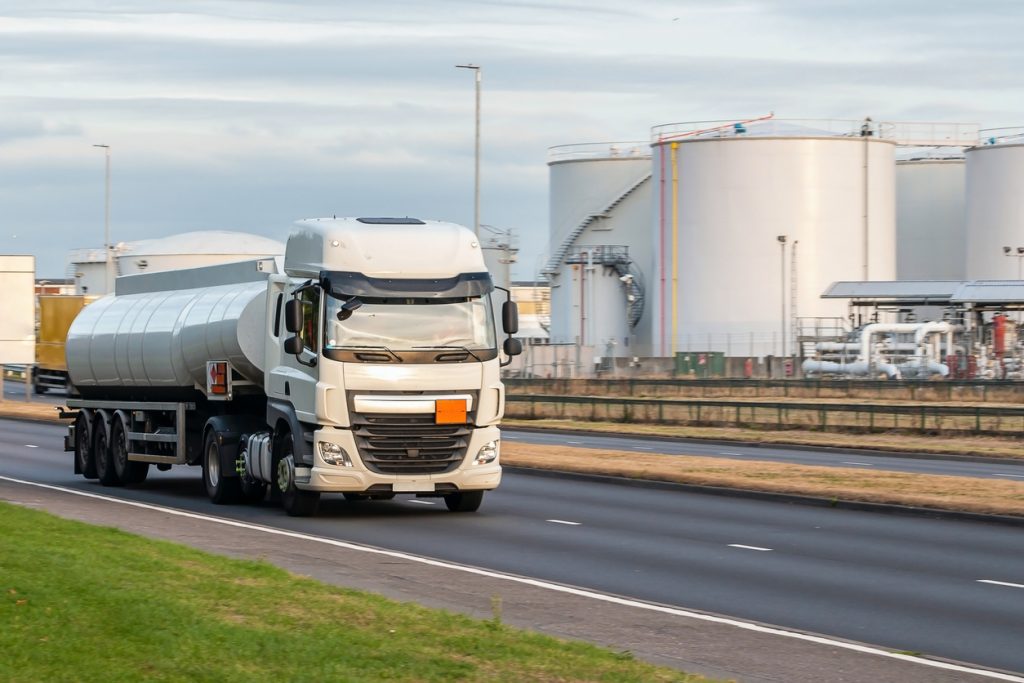
Managing petroleum drivers in Nigeria is not the same as managing ordinary delivery drivers. A fuel truck moving from Apapa to Ibadan, Warri to Abuja, or Port Harcourt to Onitsha carries more risk, more regulation, and more operational pressure than a regular cargo vehicle.
For businesses that move petroleum products, good driver management can affect delivery timelines, vehicle safety, customer trust, and even profit margins. One careless trip, poor route planning, or tired driver can create delays that cost far more than the transport fee.
That is why petroleum driver management Nigeria has become a serious operational need for fuel marketers, logistics companies, depot operators, and businesses that depend on steady fuel movement.
What Petroleum Driver Management Really Involves
Petroleum driver management is more than giving a driver a truck key and delivery address. It involves checking the driver’s readiness, assigning routes properly, monitoring movement, confirming delivery points, and making sure safety procedures are followed.
A proper system should cover:
- Driver documentation and licence checks
- Route planning before dispatch
- Trip timing and rest periods
- Communication with depot and receiving points
- Emergency response planning
- Vehicle condition checks
- Delivery confirmation
In Nigeria, these details matter because road conditions, traffic, checkpoints, and loading delays can change a trip completely.
Why Fuel Transport Needs Experienced Drivers
A petroleum truck driver must understand defensive driving, tanker handling, product safety, and Nigerian road behaviour. Driving a loaded tanker through Lagos traffic or along the Benin-Ore road requires patience and experience.
Some common problems businesses face include:
- Drivers taking unsafe shortcuts
- Poor communication during long-distance trips
- Delays at loading depots
- Fatigue on overnight journeys
- Lack of proper delivery updates
- Vehicle misuse or unauthorised stops
These issues can be reduced when drivers are properly managed, monitored, and supported.
Common Petroleum Routes That Need Better Coordination
Fuel movement in Nigeria often follows busy commercial corridors. Some examples include:
- Lagos to Ibadan, Abeokuta, Ilorin, and Abuja
- Warri to Benin, Asaba, Onitsha, and Enugu
- Port Harcourt to Aba, Owerri, Uyo, and Calabar
- Kaduna to Kano, Jos, and northern supply routes
Each route has its own challenges. Lagos routes may suffer from traffic around Apapa, Mile 2, and Berger. Eastern routes may face delays during festive travel periods. Northern trips often require stronger planning because of distance, road conditions, and security concerns.
A reliable transport coordination partner helps businesses plan around these realities instead of reacting after problems occur.
What Businesses Should Check Before Assigning a Petroleum Driver
Before sending a petroleum driver on any trip, companies should confirm a few basics.
First, check that the driver is properly licensed and experienced with tanker or fuel logistics work. Second, inspect the vehicle before loading. Tyres, brakes, lights, valves, and fire extinguishers should not be ignored.
Third, confirm the delivery address, contact person, route, expected travel time, and communication plan. Many delays happen because drivers leave with incomplete instructions.
For long-distance movement, businesses should also consider rest points and realistic arrival times. A Lagos to Abuja petroleum movement is not a small city delivery. It needs proper timing and clear updates.
How Travo.ng Supports Petroleum Driver Management Nigeria
Travo.ng helps businesses coordinate transport, logistics, delivery, and mobility operations across Nigeria. For petroleum-related movement, the focus is practical coordination: helping companies manage transport needs, connect with reliable driver support, plan routes, and reduce avoidable delays.
Depending on the job, Travo.ng can support:
- Petroleum driver coordination
- Interstate transport planning
- Cargo logistics support
- Business delivery operations
- Vehicle hire arrangements
- Route and pickup coordination
- Relocation and transport support where relevant
The goal is not just to move from one point to another. It is to make the movement safer, clearer, and easier to manage.
Mistakes Companies Make With Petroleum Driver Operations
Many businesses only focus on finding a truck or driver quickly. That approach can create problems.
Common mistakes include:
- Choosing drivers without checking experience
- Not confirming vehicle condition before loading
- Sending drivers without clear route instructions
- Ignoring realistic travel timelines
- Failing to track delivery updates
- Waiting until there is a problem before communicating
Good petroleum driver management prevents these issues before the vehicle leaves the depot.
Book Reliable Transport Support With Travo.ng
If your business needs petroleum driver management Nigeria support, Travo.ng can help you coordinate safer and more reliable movement. Whether you are arranging fuel logistics, interstate transport, cargo movement, vehicle hire, or business delivery support, having a locally experienced coordination partner makes the process easier.
Petroleum transport is too sensitive for guesswork. With proper planning, trained driver coordination, and practical route management, businesses can reduce delays, improve safety, and keep customers better informed.
Travo.ng gives Nigerian businesses a more organised way to handle transport and logistics operations across busy routes and real local conditions.
