


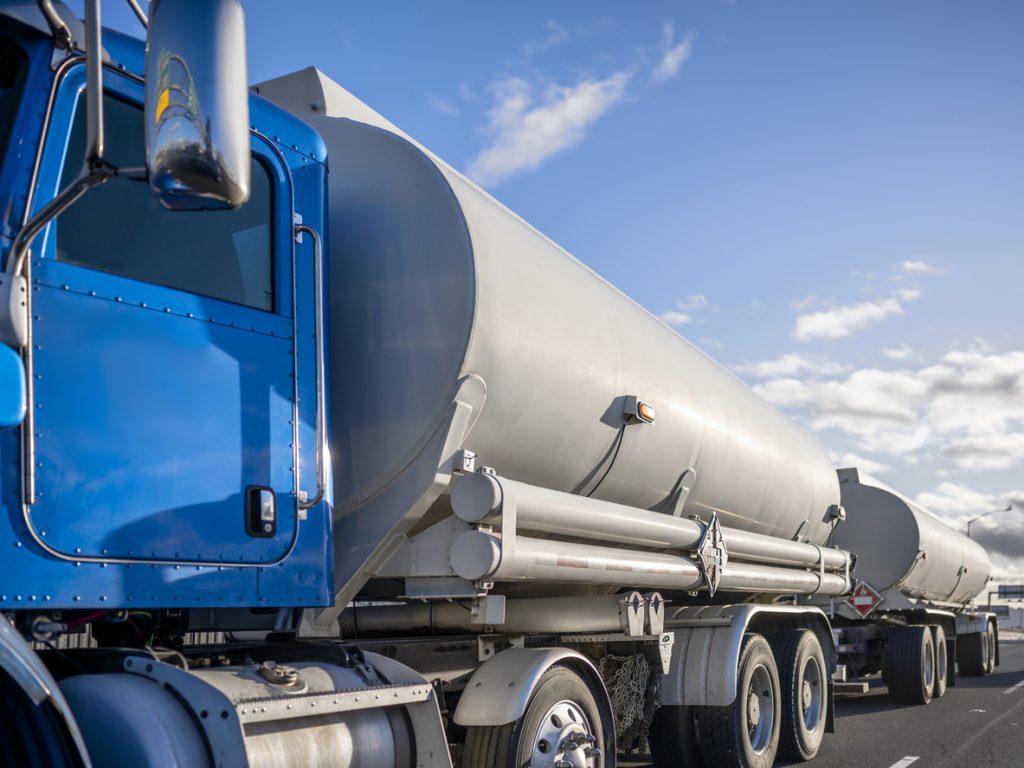
Moving people, equipment, and supplies in Nigeria’s oil and gas sector is not the same as ordinary transport. A vehicle may need to leave Port Harcourt before dawn, pick up engineers in Warri, move documents to a depot in Apapa, or support a crew heading toward a remote field location. If the fleet is not properly coordinated, one delay can affect operations, safety, and cost.
That is why many companies now look for reliable oil and gas fleet solutions Nigeria instead of managing every vehicle request manually. The goal is simple: keep teams mobile, reduce downtime, and make sure every trip is properly planned.
What Oil and Gas Companies Usually Need From Fleet Support
Most oil and gas movement involves more than “send a car.” Companies often need:
- Crew buses for staff movement
- SUVs for site visits and executive movement
- Pickup vans for tools and light equipment
- Airport pickups for expatriates, consultants, and field engineers
- Interstate transport between Lagos, Port Harcourt, Warri, Abuja, and Calabar
- Emergency vehicle support when a project schedule changes suddenly
For example, a team flying into Port Harcourt International Airport may need pickup, hotel transfer, and onward transport to a facility the next morning. If the vehicle arrives late or the driver does not understand the route, the whole workday can be affected.
Travo.ng helps businesses coordinate these movements with practical transport planning, vehicle hire, airport pickups, and logistics support tailored to Nigerian road conditions.
Routes and Locations That Need Careful Planning
Oil and gas operations in Nigeria often involve busy corridors and high-pressure timing. Lagos to Port Harcourt, Warri to Benin, Abuja to Lokoja, and Port Harcourt to Onne are common routes where planning matters.
Lagos traffic around Apapa, Lekki, Ikeja, and the airport can easily add two or three hours to a simple movement. In Port Harcourt, trips around Trans-Amadi, Onne, Eleme, and the airport also require proper timing. During rainy season, some access roads become slower, especially when moving equipment or field staff.
A good fleet plan considers:
- Departure time
- Route condition
- Vehicle type
- Passenger count
- Security and communication needs
- Backup options if plans change
This is where local knowledge becomes valuable. It is not enough to have vehicles available; the provider must understand how Nigerian movement actually works.
Common Fleet Mistakes That Cost Companies Money
Many businesses lose time because they wait until the last minute to arrange transport. In oil and gas logistics, that can become expensive.
Common mistakes include:
- Booking vehicles without confirming luggage or equipment space
- Using small cars for rough-access locations
- Not planning airport waiting time
- Sending drivers without clear pickup instructions
- Ignoring traffic patterns around ports and industrial zones
- Failing to arrange backup vehicles for important trips
A simple example is sending a sedan to pick up three engineers with toolboxes and luggage from the airport. The vehicle may arrive on time but still fail the job because it cannot carry everyone comfortably.
With Travo.ng, companies can arrange suitable vehicles based on the actual movement requirement, not just the cheapest available option.
How Fleet Support Helps Field Teams Work Better
Reliable fleet coordination improves more than transport. It helps teams arrive calmer, earlier, and better prepared. For oil and gas companies, this can support inspections, maintenance visits, supplier meetings, safety briefings, and urgent operational movement.
Fleet support can also help HR, admin, procurement, and operations teams reduce daily stress. Instead of calling multiple drivers or vendors, a business can coordinate transport, hotel reservations, courier movement, and delivery support through one practical service channel.
For companies handling documents, small parts, samples, or urgent parcels, Travo.ng can also support courier services and cargo logistics across key Nigerian cities.
What to Check Before Booking Oil and Gas Fleet Solutions
Before booking oil and gas fleet solutions Nigeria, confirm these details:
- Number of passengers
- Pickup and drop-off points
- Travel date and time
- Type of road or site access
- Luggage or equipment size
- Need for return trip or standby vehicle
- Airport, hotel, or site coordination
- Preferred vehicle type
The clearer the information, the smoother the movement. For corporate trips, it also helps to share contact details for the passenger, admin officer, and receiving team.
A Practical Way to Manage Oil and Gas Movement in Nigeria
Oil and gas transport needs structure, timing, and local experience. Whether the movement is from Lagos airport to a hotel, Port Harcourt to Onne, Warri to a field location, or Abuja to a project meeting, the right fleet support can prevent delays and confusion.
Travo.ng provides practical transport coordination, vehicle hire, airport pickups, logistics support, courier services, cargo movement, and hotel booking assistance for businesses that need dependable mobility across Nigeria.
For companies that want oil and gas fleet solutions Nigeria without the daily stress of chasing vehicles and drivers, Travo.ng offers a more organized way to keep people, goods, and operations moving.
