


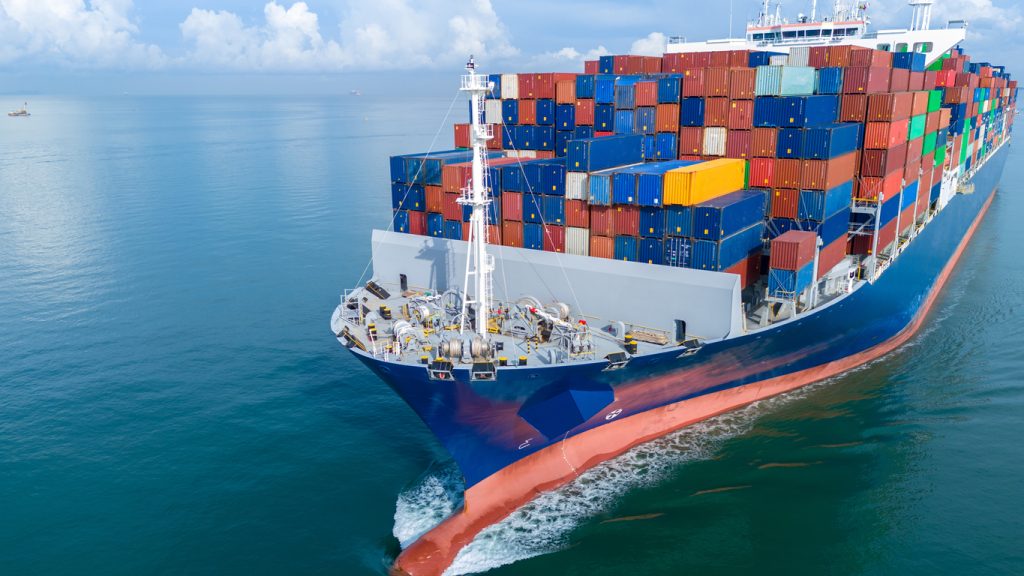
Wrong goods shipped in Nigeria refers to a situation where the items delivered, imported, or dispatched do not match what was ordered, documented, or expected. This can happen in domestic logistics, import/export shipments, or during container clearance at ports such as Apapa Port, Tin Can Island Port, or Lekki Port.
In simple terms, it means the wrong product, quantity, or specification was shipped or delivered.
Types of Wrong Shipment Errors
1. Incorrect Product Type
When the item delivered is completely different from what was ordered.
Example:
- Ordered electronics, received industrial equipment
2. Wrong Quantity
- Short shipment (less than expected)
- Over shipment (more than ordered)
3. Wrong Specifications
Includes issues like:
- Incorrect model
- Wrong size
- Wrong grade or quality
4. Mislabelled Cargo
Cargo is correctly shipped but incorrectly labelled during handling or documentation.
5. Container Mix-Up
Occurs when:
- Containers are swapped at the port
- Incorrect container numbers are assigned
Major Causes of Wrong Goods Shipment in Nigeria
1. Documentation Errors
Mistakes in:
- Invoice
- Packing list
- Bill of lading
2. Poor Communication
Between:
- Supplier
- Freight forwarder
- Shipping line
- Warehouse operator
3. Warehouse Handling Errors
During:
- Picking
- Packing
- Loading
4. Port Congestion and Rush Operations
High pressure at Lagos ports can lead to:
- Fast tracking errors
- Misloading containers
- Poor verification
5. System or Data Entry Mistakes
Incorrect input in logistics systems can lead to wrong shipment processing.
6. Fraud or Substitution
In some cases:
- Goods may be intentionally swapped
- Lower-quality items may be shipped instead
Effects of Wrong Goods Shipment
1. Financial Loss
Businesses may lose money due to:
- Wrong inventory
- Re-shipping costs
- Replacement costs
2. Supply Chain Disruption
Affects:
- Production schedules
- Retail stock availability
- Customer deliveries
3. Delays in Operations
Time is lost resolving:
- Returns
- Replacements
- Investigations
4. Increased Logistics Costs
Including:
- Return shipping
- Storage fees
- Customs reprocessing
5. Customer Dissatisfaction
Leads to:
- Loss of trust
- Reduced repeat business
Common Scenarios in Nigeria
- Imported container contains wrong product after clearance
- Warehouse dispatches incorrect goods to customers
- Freight forwarder ships wrong specifications due to documentation error
- Container mix-up at congested Lagos terminals
How to Prevent Wrong Goods Shipment
1. Proper Documentation Checks
Ensure:
- Invoice matches packing list
- Product codes are verified
- Container numbers are correct
2. Strong Warehouse Control Systems
Use:
- Barcode scanning
- Inventory tracking software
- Double verification before dispatch
3. Clear Communication Across Supply Chain
Align:
- Suppliers
- Logistics providers
- Freight forwarders
4. Pre-Shipment Inspection
Check goods before loading into containers.
5. Use Reliable Logistics Partners
Experienced providers reduce handling errors.
How to Resolve Wrong Goods Shipment Issues
1. Immediate Verification
Confirm:
- What was ordered
- What was shipped
- Where the error occurred
2. Contact Supplier or Shipper
Request:
- Replacement
- Refund
- Correct shipment
3. Document the Issue
Keep:
- Photos
- Delivery records
- Shipping documents
4. Initiate Return or Correction Process
Depending on contract terms.
Role of Insurance
Cargo insurance may cover:
- Loss or damage during transit
- Some cases of misdelivery (depending on policy)
However, errors due to documentation or wrong ordering are usually not covered unless negligence or insured risks apply.
How Travo.ng Supports Cargo Accuracy in Nigeria
Logistics errors often occur during handling, transportation, and distribution. Efficient coordination reduces risks of wrong shipment.
Travo.ng supports businesses across Nigeria through:
- Cargo pickup from Apapa, Tin Can, and Lekki ports
- Nationwide transportation services
- Interstate logistics coordination
- Commercial cargo delivery
- Distribution support for businesses
- Last-mile delivery solutions
Strong logistics coordination helps reduce errors across the supply chain.
Final Insight
Wrong goods shipment in Nigeria usually results from documentation errors, poor coordination, or handling mistakes. These issues can disrupt business operations, increase costs, and affect customer trust. Proper verification systems and reliable logistics partners are key to preventing such problems.
