


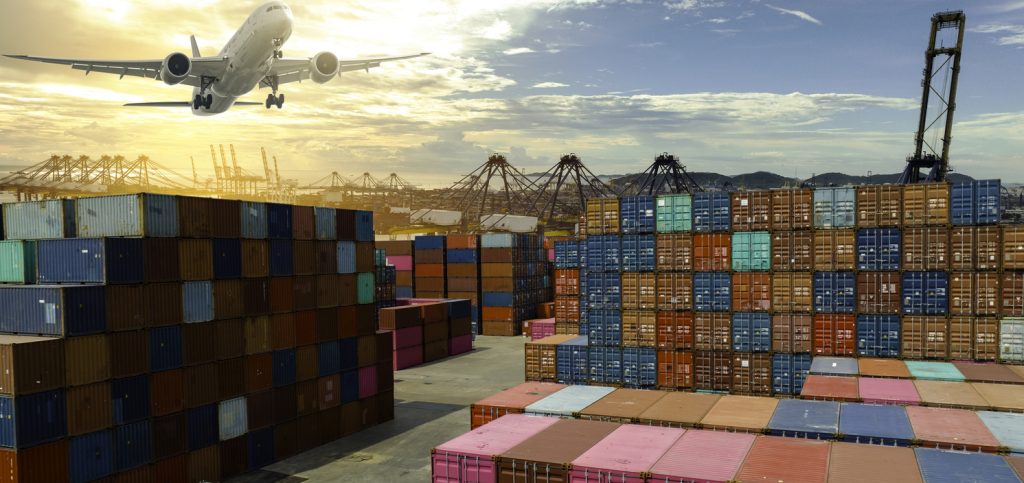
Supplier quality issues in Nigeria refer to situations where goods supplied—locally or imported—do not meet the agreed standard, specification, or expected performance. These issues often arise in trade involving imports through Apapa Port, Tin Can Island Port, Lekki Port, or direct supplier procurement from local and international vendors.
In simple terms, it means the supplier delivered goods, but the quality is not acceptable.
Common Types of Supplier Quality Issues
1. Low-Quality Products
- Goods are below expected standard
- Inferior materials used
- Poor durability or performance
2. Defective Goods
- Products arrive damaged or non-functional
- Manufacturing faults
- Broken or unusable items
3. Wrong Material Grade
- Industrial materials not meeting required specification
- Example: low-grade steel instead of industrial grade
4. Inconsistent Product Quality
- Variation between batches
- Some units good, others poor
5. Fake or Substandard Products
- Counterfeit goods supplied
- Misrepresentation of brand or origin
6. Packaging Quality Issues
- Poor packaging causing damage
- Weak cartons or improper sealing
Major Causes of Supplier Quality Issues in Nigeria
1. Poor Supplier Selection
Importers may choose suppliers without:
- Proper verification
- Factory audits
- Quality history checks
2. Lack of Quality Control Systems
Suppliers may not implement:
- Standard production checks
- Quality assurance processes
- Final inspection before shipment
3. Cost Cutting by Suppliers
Some suppliers reduce quality to:
- Lower production cost
- Increase profit margin
4. Miscommunication of Specifications
If product requirements are unclear:
- Supplier may interpret wrongly
- Wrong materials or standards may be used
5. Lack of Pre-Shipment Inspection
Without inspection:
- Defects go unnoticed until arrival in Nigeria
6. Fraudulent Suppliers
Some suppliers intentionally:
- Send substandard goods
- Misrepresent product quality
Effects of Supplier Quality Issues
1. Financial Loss
Businesses may incur:
- Replacement costs
- Refund losses
- Wasted import and shipping fees
2. Supply Chain Disruption
Leads to:
- Production delays
- Retail shortages
- Business downtime
3. Customer Complaints
Poor quality products result in:
- Returns
- Loss of trust
- Brand damage
4. Increased Logistics Costs
Includes:
- Return shipments
- Storage fees
- Re-importation costs
5. Regulatory or Customs Issues
In some cases:
- Goods may be rejected
- Additional inspections required
Common Scenarios in Nigeria
- Imported electronics fail quality check after arrival
- Construction materials do not meet required standards
- FMCG products deteriorate before distribution
- Supplier sends mixed quality batches in one shipment
How to Prevent Supplier Quality Issues
1. Supplier Verification
Check:
- Business registration
- Factory legitimacy
- Production capacity
2. Define Clear Quality Standards
Include:
- Product specifications
- Material requirements
- Performance expectations
3. Pre-Shipment Inspection
Use third-party inspectors to verify:
- Product quality
- Quantity
- Packaging condition
4. Sample Approval
Always approve samples before full production.
5. Use Trusted Suppliers
Work with:
- Verified manufacturers
- Reliable trading partners
- Reputable sourcing agents
6. Quality Agreements in Contracts
Include penalties for:
- Substandard goods
- Specification violations
- Defective products
How to Resolve Supplier Quality Problems
1. Document the Problem
Collect:
- Photos
- Videos
- Inspection reports
2. Contact Supplier Immediately
Request:
- Replacement goods
- Refund
- Compensation
3. Use Dispute Resolution Platforms
If applicable:
- Alibaba Trade Assurance
- Escrow dispute systems
4. Negotiate Settlement
Options include:
- Partial refund
- Discount on future orders
- Replacement shipment
5. Legal or Arbitration Action
Used for major or unresolved cases.
Role of Insurance
Cargo insurance may cover:
- Physical damage during transit
- Loss or theft
However, poor quality or manufacturing defects are generally not covered unless caused by insured transit risks.
How Travo.ng Supports Importers in Nigeria
Supplier quality issues often become more complex when combined with logistics delays, port congestion, and distribution challenges.
Travo.ng supports businesses across Nigeria through:
- Cargo pickup from Apapa, Tin Can, and Lekki ports
- Nationwide transportation services
- Interstate logistics coordination
- Commercial cargo delivery
- Distribution support for businesses
- Last-mile delivery solutions
Reliable logistics coordination helps businesses manage supply chain issues more effectively after import arrival.
Final Insight
Supplier quality issues in Nigeria are mainly caused by poor supplier selection, weak quality control, and lack of inspection before shipment. These issues can lead to financial loss, supply chain disruption, and reputational damage, but they can be minimized through strict verification and quality assurance processes.
