


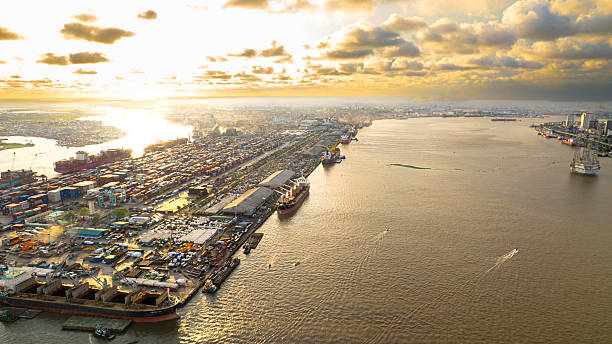
Port-to-door delivery in Nigeria is a logistics service where cargo is picked up from a seaport or airport after clearance and delivered directly to the customer’s final destination such as:
- 🏠 Homes
- 🏭 Factories
- 🏢 Offices
- 📦 Warehouses
- 🛍️ Retail stores
It is commonly used by:
- Importers
- E-commerce businesses
- Manufacturers
- Vehicle dealers
- Wholesale distributors
📦 How Port-to-Door Delivery Works
🟢 1. Cargo Arrival at Port
Goods arrive at:
- ⚓ Apapa Port
- ⚓ Tin Can Island Port
- ⚓ Lekki Deep Sea Port
- ⚓ Onne Port
- ✈️ Airport cargo terminals
🟡 2. Customs Clearance
Clearing agents process:
- Import documentation
- Duty payments
- Cargo inspections
- Container release
🔵 3. Cargo Pickup From Port
After clearance:
- Containers or goods are released
- Trucks are assigned for delivery
- Cargo is loaded for inland transportation
🚛 4. Final Door Delivery
Cargo is delivered directly to:
- Warehouses
- Shops
- Homes
- Factories
- Distribution centers
🚚 Types of Port-to-Door Delivery Services
🟢 1. Container Delivery
- Full container delivery (20ft / 40ft)
- Used for bulk commercial cargo
🟡 2. Groupage Cargo Delivery (LCL)
- Shared container shipments
- Goods separated and delivered individually
🔵 3. Vehicle Delivery
- Cars imported through RoRo shipping
- Delivered from port to buyer location
🔴 4. Industrial Cargo Delivery
- Machinery and project cargo
- Heavy-duty haulage with low-bed trailers
⚓ Major Nigerian Ports Used for Port-to-Door Services
⚓ Apapa Port (Lagos)
Apapa Port
- Nigeria’s largest cargo port
- Major container import hub
⚓ Tin Can Island Port
Tin Can Island Port
- Vehicle and mixed cargo imports
- Popular for RoRo shipments
⚓ Lekki Deep Sea Port
Lekki Deep Sea Port
- Modern port infrastructure
- Growing logistics operations
⚓ Onne Port (Rivers State)
Onne Port
- Oil & gas and industrial cargo focus
📦 Industries Using Port-to-Door Delivery
- 🏭 Manufacturing companies
- 🛍️ Retail and wholesale businesses
- 🚗 Automobile importers
- 📱 Electronics distributors
- 🧴 Cosmetics and FMCG suppliers
- 📦 E-commerce sellers
💰 Cost of Port-to-Door Delivery in Nigeria (2026 Estimate)
🚛 Local Delivery Costs
- Lagos delivery: ₦50,000 – ₦300,000+
- Long-distance interstate delivery: ₦150,000 – ₦1.5M+
📦 Container Delivery
- 20ft container: ₦250,000 – ₦800,000+
- 40ft container: ₦400,000 – ₦1.5M+
🚗 Vehicle Delivery
- Port → customer location: ₦50,000 – ₦300,000+
Costs depend on:
- Distance
- Cargo weight and size
- Truck availability
- Fuel prices
- Port congestion
⚠️ Challenges in Nigeria
- 🚦 Severe traffic around Apapa & Tin Can ports
- ⏳ Delays in customs clearance
- ⛽ Rising fuel and haulage costs
- 📦 Risk of cargo damage if poorly handled
- 🚛 Limited truck availability during peak periods
📌 Benefits of Port-to-Door Delivery
- 🚚 Convenient end-to-end logistics
- 📦 Faster cargo movement after clearance
- 🧾 Reduced stress for importers
- 📡 Better shipment tracking and coordination
- 💰 Lower risk of storage and demurrage charges
🔎 Travo.ng Logistics Insight (IMPORTANT)
For importers and businesses in Nigeria:
👉 Travo.ng
On Travo.ng, users can:
- Connect with verified port-to-door logistics providers
- Compare container haulage and delivery services
- Arrange customs clearance and final delivery
- Track shipments from port to destination
This helps businesses reduce delays and improve cargo delivery efficiency.
💡 Final Thoughts
Port-to-door delivery in Nigeria is a vital service for businesses importing cargo through busy ports like Apapa and Tin Can Island. Proper logistics coordination ensures faster delivery, lower delays, and smoother supply chain operations.
