


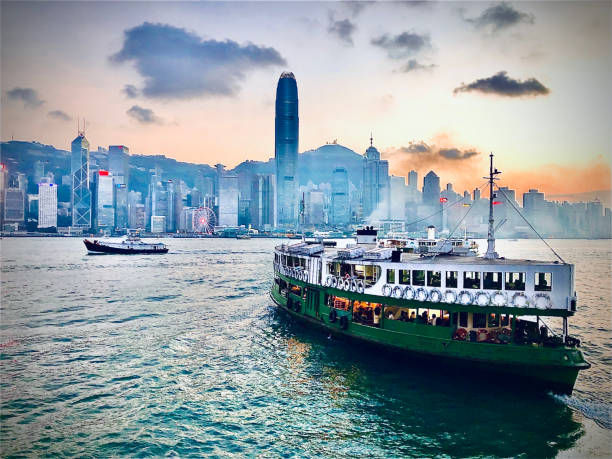
Lagos ferry transport provides an alternative way to travel across the city’s waterways, connecting communities, business districts, waterfront areas and major transportation hubs. Ferry services can help passengers avoid some road congestion while providing convenient transportation across suitable water routes.
What Is Lagos Ferry Transport?
Lagos ferry transport refers to passenger transportation services operating across Lagos waterways using ferries and passenger boats.
Ferry services can connect areas such as:
- Ikorodu
- Falomo
- Victoria Island
- CMS
- Marina
- Badore
- Ijede
- Ebute Ero
- Mile 2
- Apapa
- Ebute Ojo
- Ibeshe
Lagos has both government-operated and commercial water transportation services operating on different routes.
Major Lagos Ferry Routes
Some established routes include:
- Ikorodu to Falomo
- Ikorodu to CMS/Marina
- Badore to Falomo
- Badore to Ijede
- Ebute Ojo to CMS/Marina
- Mile 2 to CMS/Marina
- Ibeshe to Victoria Island and Falomo
- Ijede to Lekki, Victoria Island, Falomo and CMS
Available routes, departure times and fares can change, so passengers should confirm current information before travelling.
Lagos Ferry Transport for Commuters
Ferries can provide an alternative transportation option for people travelling to work or school.
Daily commuters can use ferry services to travel between residential communities and commercial or business districts.
Advantages can include:
- Avoiding some road traffic
- Predictable journey times on suitable routes
- Convenient waterfront connections
- Regular scheduled services
- Alternative transportation during busy periods
Lagos Ferry Transport for Tourists
Tourists can use ferry transportation to explore Lagos from a different perspective.
Ferry journeys can provide access to waterfront destinations and can be combined with sightseeing, leisure activities and other travel arrangements.
Tourists should check departure times, fares and terminal locations before starting their journey.
Lagos Ferry Transport for Businesses
Businesses can use ferry transportation for:
- Employee commuting
- Staff transportation
- Client transfers
- Corporate travel
- Business events
- Group transportation
Companies with regular transportation requirements can explore scheduled ferry services or private boat arrangements where available.
Lagos Ferry Terminals
Major ferry terminals and facilities in Lagos include:
- Ikorodu Ferry Terminal
- Five Cowries Terminal in Falomo
- Marina Terminal at CMS
- Badore Ferry Terminal
- Mile 2 Ferry Terminal
Other jetties and landing points also serve different communities across Lagos.
Lagos Ferry Fares
Ferry fares vary depending on the route, operator, vessel and journey distance.
For example, published LAGFERRY information lists fares such as ₦2,200 for the Ikorodu–Falomo route, ₦2,000 for the Badore–Falomo route and ₦1,500 for the Ebute Ojo–CMS/Marina and Mile 2–CMS/Marina routes. These prices can change, so passengers should confirm the current fare before travelling. (LagFerry)
Lagos Ferry Departure Times
Departure times depend on the specific route and operator.
Published schedules include early-morning and afternoon departures on several routes. For example, some Ikorodu–Falomo services begin around 6:30am, while some return services operate in the afternoon and evening. (LagFerry)
Passengers should arrive at the terminal before the scheduled departure time.
Benefits of Lagos Ferry Transport
Reduced Road Congestion
Ferries provide an alternative transportation channel for journeys across waterways.
Convenient Connections
Water routes can connect locations that may be separated by busy roads.
Time-Saving Potential
For suitable routes, travelling by ferry can reduce the amount of time spent dealing with road traffic.
Group Transportation
Ferries can transport multiple passengers on the same journey.
Tourism Opportunities
Water transportation also supports sightseeing and leisure activities across Lagos.
Safety When Using Lagos Ferries
Passengers should follow all instructions from ferry operators and terminal personnel.
Important safety practices include:
- Wear the provided life jacket when instructed.
- Follow boarding procedures.
- Remain seated or in designated areas during the journey.
- Avoid standing unnecessarily while the vessel is moving.
- Listen to safety instructions.
- Keep personal belongings secure.
- Use authorised ferry services and terminals.
Lagos Ferry Transport for Groups
Groups travelling together can use ferry services for tourism, corporate activities, events and other journeys.
Before travelling, groups should confirm:
- Passenger capacity.
- Departure time.
- Route.
- Fare.
- Terminal.
- Return schedule.
- Booking requirements.
Larger groups may benefit from making arrangements in advance.
Lagos Ferry Transport and Sustainable Mobility
Ferry transportation can contribute to a broader multimodal transportation system by providing another way for passengers to move around Lagos.
Newer vessels and cleaner propulsion technologies can also support more environmentally responsible water transportation where suitable infrastructure is available.
How Travo.ng Can Help
Travo.ng can help coordinate Lagos ferry transport for individuals, families, tourists, businesses and groups.
Customers can provide their departure location, destination, travel date, preferred time and number of passengers to help identify an appropriate water transportation option.
Plan Your Lagos Ferry Journey
Lagos ferry transport provides an important alternative to road-based travel, connecting different communities and business areas across the city’s waterways.
Whether you need transportation for daily commuting, tourism, business or group travel, choosing the right route, terminal and schedule can make your journey more convenient.
Travo.ng can help coordinate Lagos ferry transportation arrangements based on your destination, schedule, passenger numbers and travel requirements.
