


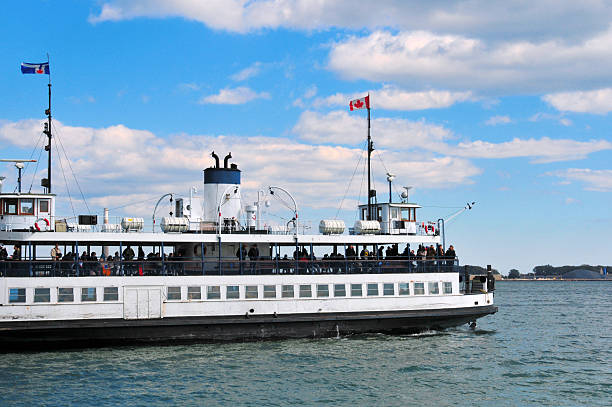
An e-ferry is a ferry powered by electricity, using electric propulsion technology to transport passengers across suitable waterways. E-ferries provide a modern alternative to conventional fuel-powered vessels and can support cleaner, quieter and more efficient water transportation.
What Is an E-Ferry?
An e-ferry is an electrically powered ferry that typically uses rechargeable batteries to operate its propulsion system.
E-ferries can be used for:
- Passenger transportation
- Commuter ferry services
- Tourist transportation
- Waterfront transfers
- Group travel
- Corporate transportation
- Short-distance water routes
- Public transportation
The suitability of an e-ferry depends on factors such as route distance, passenger capacity, battery range and charging infrastructure.
Benefits of E-Ferry Transportation
Lower Direct Emissions
Fully electric ferries do not produce exhaust emissions from a conventional combustion engine during operation.
Quieter Operation
Electric propulsion generally produces less engine noise, which can create a quieter environment for passengers and communities near ferry routes.
Energy Efficiency
Electric motors can operate efficiently, particularly on routes involving frequent acceleration, deceleration and stops.
Comfortable Passenger Experience
The quieter operation of an e-ferry can contribute to a smoother and more comfortable journey.
How Does an E-Ferry Work?
An e-ferry stores electrical energy in onboard batteries.
The batteries supply power to electric motors, which drive the vessel’s propulsion system.
When the battery charge becomes low, the ferry is connected to suitable charging infrastructure. Charging requirements depend on the vessel, battery capacity, route and charging system.
E-Ferry for Commuters
E-ferries can be used for regular passenger routes where the distance and operating schedule are compatible with the vessel’s battery capacity.
They can connect communities, commercial areas and other destinations located along suitable waterways.
E-Ferry for Tourists
Tourists can use e-ferries for sightseeing, excursions and destination transfers where electric ferry services are available.
The quieter operation can also make water-based sightseeing more enjoyable by reducing engine noise during the journey.
E-Ferry for Businesses
Businesses can consider e-ferries for:
- Employee transportation
- Staff commuting
- Corporate travel
- Client transfers
- Site visits
- Group transportation
Companies should consider passenger capacity, route distance and charging requirements when planning regular e-ferry transportation.
E-Ferry in Ghana
Ghana has various rivers, lakes and coastal waterways where modern ferry transportation can potentially support passenger movement.
The availability of e-ferry services depends on the specific route, vessel, operator and supporting charging infrastructure.
Businesses and travellers should confirm the availability of an e-ferry for their preferred route before making transportation arrangements.
What Determines E-Ferry Costs?
The cost of e-ferry transportation may depend on:
- Vessel size
- Passenger capacity
- Route distance
- Travel frequency
- Battery capacity
- Charging requirements
- Crew requirements
- Charter duration
- Operating conditions
Pricing can differ from conventional ferry services depending on the vessel and operator.
Challenges of E-Ferry Transportation
E-ferry operations can involve several practical considerations:
- Battery range
- Charging infrastructure
- Charging time
- Initial vessel investment
- Route distance
- Battery maintenance
- Weather and water conditions
These factors are important when determining whether an e-ferry is suitable for a particular route.
How to Choose an E-Ferry Service
When considering an e-ferry, check:
- Vessel type.
- Passenger capacity.
- Battery range.
- Charging arrangements.
- Route distance.
- Departure schedule.
- Journey duration.
- Safety procedures.
- Operator experience.
- Total transportation cost.
How Travo.ng Can Help
Travo.ng can help coordinate e-ferry transportation where suitable electric vessels, operators and routes are available.
Customers can provide their departure location, destination, travel date, passenger numbers and preferred electric ferry requirements to help identify an appropriate transportation option.
Plan Your E-Ferry Journey
E-ferries represent a modern approach to water transportation, offering quieter operation and reduced direct emissions compared with conventional fuel-powered ferries.
Whether you need transportation for commuting, tourism, business or group travel, choosing a suitable vessel and route is important for a reliable journey.
Travo.ng can help coordinate e-ferry transportation arrangements based on your route, schedule, group size and travel requirements.
