


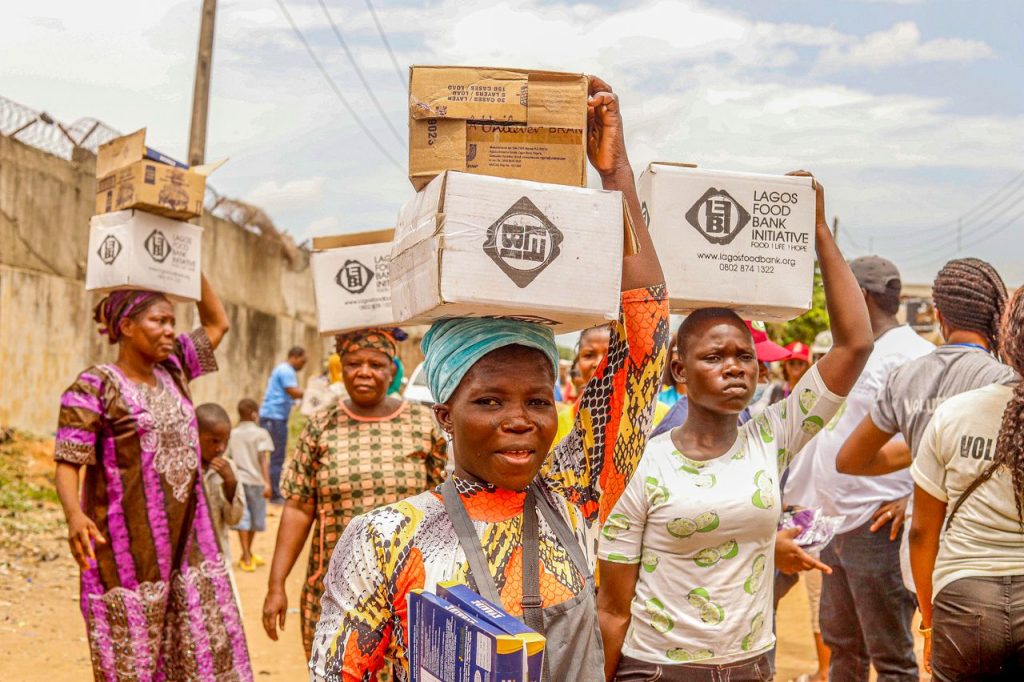
When flooding cuts off roads and displaces families, relief supplies are only useful if they reach the affected people quickly and in good condition. Food, drinking water, medicines, blankets and hygiene products may be available in a warehouse, yet poor transport planning can leave them stranded far from the communities that need them.
Reliable flood relief materials delivery in Nigeria requires more than loading cartons into a vehicle. The delivery team must understand which roads remain passable, where safe handover points are located and whether boats or smaller vehicles will be needed for the final part of the journey.
Travo.ng helps organisations, businesses and individuals coordinate urgent logistics for flood-affected areas across Nigeria.
Start With a Clear List of What Is Being Sent
Relief materials vary in size, weight and handling requirements. A truck carrying bags of rice and bottled water will need a different arrangement from a vehicle moving medicines, clothing and portable generators.
Before booking transport, prepare a simple inventory showing the quantity, estimated weight and destination of each item. This helps the logistics provider select a suitable vehicle and estimate loading time accurately.
Commonly transported relief items include:
- Packaged food and drinking water
- Blankets, clothing and mattresses
- Medicines and first-aid supplies
- Sanitary products and toiletries
- Cooking equipment and fuel
- Cleaning tools and disinfectants
- Tents, tarpaulins and temporary shelter materials
Medicines, food and chemicals should not be packed carelessly together. Any temperature-sensitive product may also require insulated packaging or cold-chain transport.
Why the Last Mile Is Often the Hardest Part
Moving relief materials from Lagos to Benin City or Abuja to Lokoja may be straightforward until the vehicle approaches the flooded community. The main road may be passable, while smaller access roads remain underwater.
In such situations, the truck may need to stop at a safe transfer point. Supplies can then be moved into smaller vans, motorcycles, canoes or motorised boats, depending on the location.
This last-mile arrangement should be planned before the main vehicle leaves. Waiting until the truck arrives can lead to long delays, additional costs and materials being left in an unsafe location.
Travo.ng can coordinate road transport with boat movement and local delivery support where one vehicle cannot complete the entire journey.
Pack Relief Supplies for Rain and Rough Handling
Relief materials may pass through several hands before reaching the final recipients. Cartons can be unloaded from a truck, placed inside a boat and carried manually through wet areas.
Use strong, sealed packaging that can withstand moisture and repeated handling. Food items should be packed in clean waterproof sacks or reinforced cartons. Clothes, blankets and documents should be placed inside sealed plastic bags before being loaded.
Clearly label each package with its contents and destination. Where supplies are being distributed to several camps or communities, use separate labels to prevent confusion at the handover point.
Avoid overloading cartons. A box that breaks during unloading can cause waste, contamination and unnecessary delays.
Confirm Who Will Receive the Materials
Many emergency deliveries are delayed because nobody has been assigned to receive and count the goods.
Before dispatch, confirm the name and phone number of the contact person at the destination. The person should know the expected quantity, arrival window and proposed handover location.
For large deliveries, a representative should inspect the materials and sign a delivery record. Photos may also be taken during loading and handover to improve accountability.
This is especially important when supplies are being sent by charities, corporate organisations, religious groups or government agencies.
Timing Deliveries Around Weather and Road Conditions
Flood conditions can change within a few hours. Continued rainfall may make an open road impassable, while water levels may reduce enough to allow movement later in the day.
Drivers should receive route updates before departure and during the journey. Night deliveries should be avoided where possible, particularly on unfamiliar roads or waterways.
Extra travel time should be included in the schedule. A route that normally takes three hours may take considerably longer because of diversions, traffic around damaged roads or slow loading at temporary distribution centres.
Sending supplies early also improves the chance of completing the journey before heavy rain or reduced visibility creates additional risk.
Coordinate Flood Relief Logistics With Travo.ng
Successful flood relief materials delivery in Nigeria depends on accurate planning, suitable vehicles, strong packaging and clear communication with people at the destination.
Travo.ng can help coordinate trucks, vans, boats, cargo movement and last-mile delivery support for communities affected by flooding. Whether materials are moving within one city or across state borders, each stage can be arranged around the actual road conditions and delivery priorities.
With proper coordination, essential supplies can move from warehouses and collection centres to affected communities without unnecessary delay or avoidable damage.
