


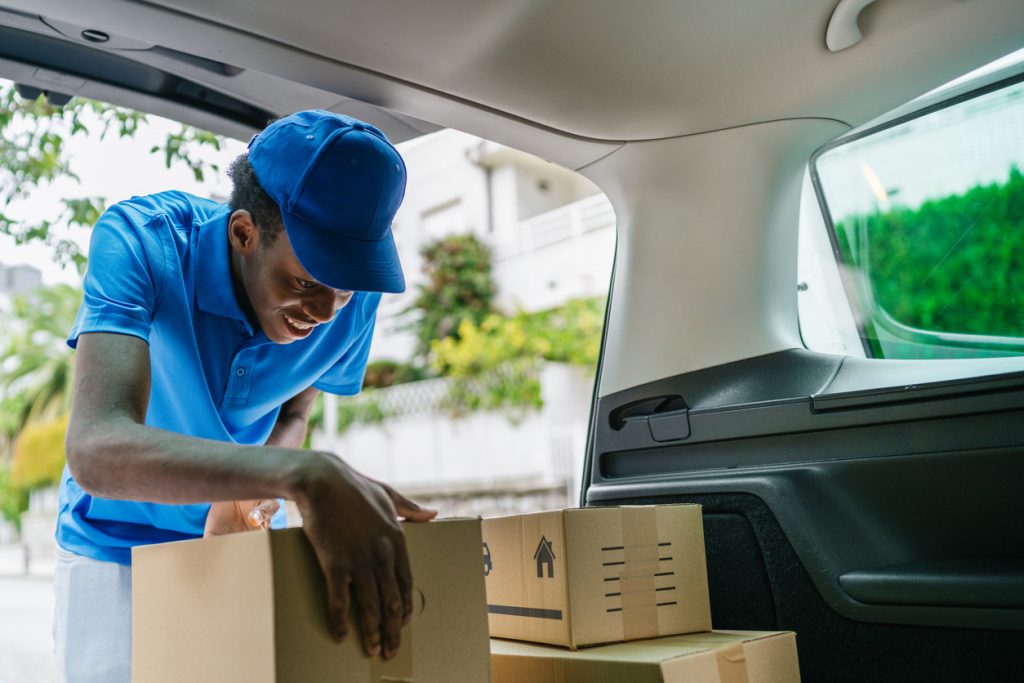
Last mile delivery is the final stage of moving a product from a warehouse, store, distribution point or logistics facility to the customer. In Nigeria, this stage can be challenging because delivery routes, traffic conditions, addresses and customer availability can vary significantly from one location to another.
For online businesses, retailers, manufacturers and distributors, getting the final delivery right is important because it directly affects the customer’s experience.
What does last mile delivery involve in Nigeria?
Last mile delivery covers the final movement of goods to their intended recipient.
A typical delivery can involve:
- Picking up goods from a warehouse or business
- Sorting and packaging the order
- Assigning a delivery vehicle or rider
- Planning the delivery route
- Contacting the recipient
- Delivering the package
- Confirming receipt
- Handling failed or returned deliveries
The process can be relatively simple for a single local order but more complicated when a business needs to deliver dozens or hundreds of packages across different locations.
Why last mile delivery can be difficult in Nigeria
The final stage of delivery can be affected by traffic, road conditions, weather, incorrect addresses and difficulty reaching customers.
In major cities such as Lagos, a relatively short distance can sometimes take considerably longer during busy periods. Businesses therefore need to consider actual delivery conditions rather than calculating delivery times based only on distance.
For commercial cargo coming through Nigerian ports, inland transportation is also important after the cargo has been released. Port-related procedures and transportation arrangements need to work together to move goods toward their final destination. (Nigerian Ports Authority)
Address accuracy matters
Incorrect or incomplete addresses are a common source of failed deliveries.
Customers should provide useful location information such as the street name, building number, estate or business name and nearby landmarks where appropriate.
Businesses can also confirm delivery details before dispatch, particularly for high-value or time-sensitive orders.
A delivery driver should not have to spend significant time searching for an address after arriving in the area.
Last mile delivery for Nigerian businesses
Different businesses have different delivery requirements.
An online fashion store may need to deliver small packages to individual customers, while a wholesaler may need to move cartons to shops and distributors.
Manufacturers may also need regular deliveries of products to retailers, while businesses importing goods may require transportation from a port or warehouse to another city.
The delivery vehicle, route and scheduling approach should therefore match the size and nature of the shipment.
How traffic affects delivery times
Traffic is one of the biggest considerations when planning deliveries in major Nigerian cities.
A route that looks short on a map can take much longer during peak periods. Businesses that promise customers very specific delivery times without considering traffic can easily miss those commitments.
For scheduled commercial deliveries, it can be useful to plan around expected traffic conditions and allow enough time for loading, stops and unexpected delays.
Managing failed deliveries
Not every delivery will be completed on the first attempt.
A customer may be unavailable, a phone number may be unreachable, an address may be incorrect or the driver may be unable to access the location.
Businesses should have a clear process for handling failed deliveries. This may include contacting the customer, rescheduling the delivery or returning the package to the warehouse.
Without a proper returns process, failed deliveries can quickly increase transportation costs.
Technology in last mile delivery
Digital tools can help businesses organise delivery information, customer addresses, orders and delivery status.
Even simple digital records can make it easier to know which orders are ready, which have been dispatched and which still require attention.
For larger operations, logistics software can provide greater visibility across deliveries and help businesses coordinate multiple drivers and destinations.
How to reduce last mile delivery costs
Businesses can reduce unnecessary delivery costs by grouping orders going to nearby locations and planning routes before vehicles leave the warehouse.
Other useful practices include:
- Confirming addresses before dispatch
- Grouping deliveries by area
- Choosing suitable vehicles
- Preparing orders before pickup
- Communicating expected delivery windows
- Tracking failed deliveries
- Monitoring transportation costs
The cheapest delivery method is not always the most efficient. A slightly higher transportation cost may be worthwhile if it reduces failed deliveries and customer complaints.
How Travo.ng Can Help With Last Mile Delivery
Travo.ng can help businesses coordinate the final movement of goods from warehouses, shops, offices or other logistics points to customers and business locations.
For businesses receiving imported cargo, Travo.ng can also support the transportation stage after goods have been released and need to move from a port, warehouse or distribution point to their destination.
This can be useful for retailers, SMEs, distributors and businesses handling commercial deliveries across Nigerian cities.
Travo.ng can help coordinate cargo logistics, transportation and delivery arrangements so that the final stage of the supply chain is planned alongside the earlier movement of goods.
Planning the final delivery properly
Last mile delivery may be the shortest physical part of a shipment, but it can have a major effect on the total logistics experience.
Businesses should plan the delivery route, confirm customer information, select appropriate transportation and allow realistic time for traffic and unexpected delays.
For Nigerian businesses moving goods from suppliers and warehouses to customers, effective last mile coordination can help reduce failed deliveries, control transportation costs and provide a more reliable customer experience.
