


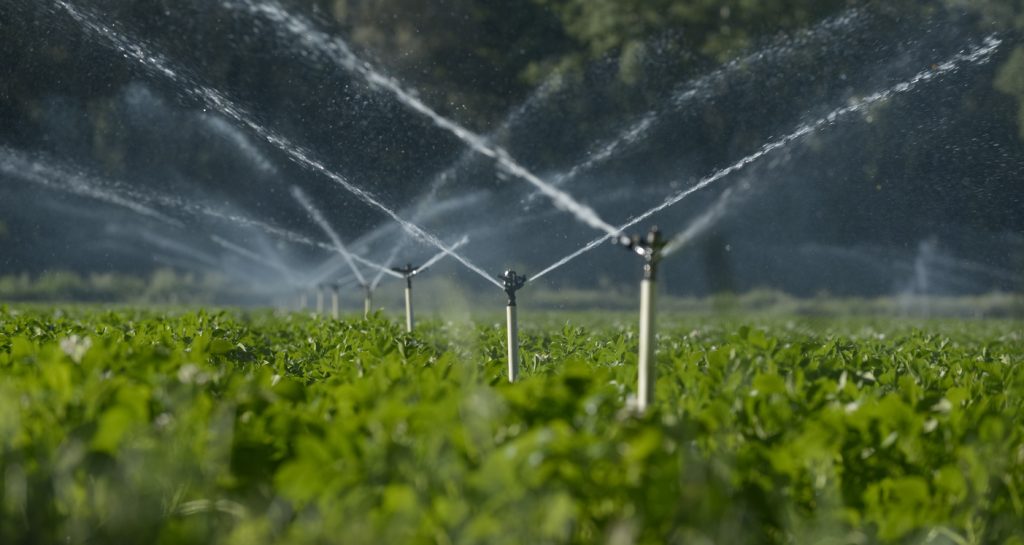
Finding dependable water supply for agricultural use in Lagos can be difficult, especially for farms operating outside areas with stable public water infrastructure. Vegetable growers, poultry farms, fish farms, nurseries and livestock businesses often need much more water than a normal household borehole or storage system can provide.
During the dry season, the problem becomes more serious. Water tables may drop, demand increases and farmers can spend valuable working hours trying to arrange emergency supplies.
For farms that cannot depend entirely on boreholes, wells or nearby surface water, scheduled water delivery provides a practical backup. Travo.ng can help coordinate water transportation and related logistics so agricultural businesses can plan around their actual daily or weekly demand.
How Much Water Does a Lagos Farm Actually Need?
The amount of water required depends heavily on the type and scale of operation.
A small vegetable farm around Ikorodu, Epe or Badagry may need water primarily for irrigation, while a poultry operation requires water for drinking, cleaning and temperature management. Fish farms can require significantly larger volumes because ponds may need topping up regularly.
Before ordering water, farmers should estimate:
- Number of animals or birds being supplied
- Size of cultivated land
- Irrigation method being used
- Storage tank capacity
- Number and size of fish ponds
- Expected daily consumption
- How often deliveries will be required
Knowing these figures reduces the risk of paying for emergency trips every time storage runs low.
Water Delivery Can Be Easier Than Repeated Emergency Sourcing
One common mistake is waiting until tanks are nearly empty before looking for water.
In Lagos, a tanker may be available but still take several hours to reach a farm because of traffic, road conditions or distance from the loading point. Farms around Epe, Ibeju-Lekki and parts of Ikorodu may also require vehicles suited to narrower or less-developed access roads.
A better arrangement is to maintain reserve capacity. If a farm consumes approximately one tank every two days, for example, the next supply can be scheduled before the remaining water reaches a critical level.
Travo.ng can help coordinate water supply for agricultural use in Lagos alongside transport and business logistics requirements, making regular movement easier to organise.
Check the Water Before Using It on Livestock or Fish
Not every available water source is suitable for every agricultural activity.
Water intended for irrigation may have different quality requirements from water used for poultry, dairy animals or fish farming. Farmers should confirm where the water comes from and whether it is suitable for the intended purpose.
Fish farmers need to be particularly careful because sudden changes in water quality, temperature, salinity or chemical content can affect fish health.
Where water will be consumed by livestock, proper storage tanks should also be cleaned regularly rather than repeatedly topping up contaminated water.
Storage Makes Agricultural Water Supply More Reliable
Transporting water is only part of the solution.
Good storage allows farms to receive larger quantities less frequently and creates a buffer against delayed deliveries. Depending on farm size, this could mean using multiple overhead tanks, ground tanks or larger agricultural storage systems.
Storage is particularly useful during Lagos dry-season periods when demand from homes, construction sites and businesses can increase at the same time.
Farm operators should also make sure tanker vehicles can reach the discharge point. A muddy farm road, blocked entrance or tank positioned too far from vehicle access can complicate an otherwise straightforward delivery.
Plan Water Supply Around Lagos Traffic and Farm Operations
Timing matters when arranging agricultural deliveries.
Moving a water tanker across Lagos during peak traffic can create unnecessary delays. Where possible, farmers should schedule deliveries outside the busiest periods and avoid waiting until the farm has only a few hours of water remaining.
For businesses managing multiple farm inputs, Travo.ng can also support transport coordination, cargo movement, delivery services and other logistics requirements. This makes it easier to combine water planning with the movement of feed, equipment, packaging materials or agricultural supplies.
Reliable water supply for agricultural use in Lagos is ultimately about planning rather than constantly reacting to shortages. Estimate consumption properly, maintain enough storage and schedule deliveries before reserves become critical.
With Travo.ng, farms and agricultural businesses can arrange practical water transportation and logistics support based on their location, storage capacity and operating needs.
