


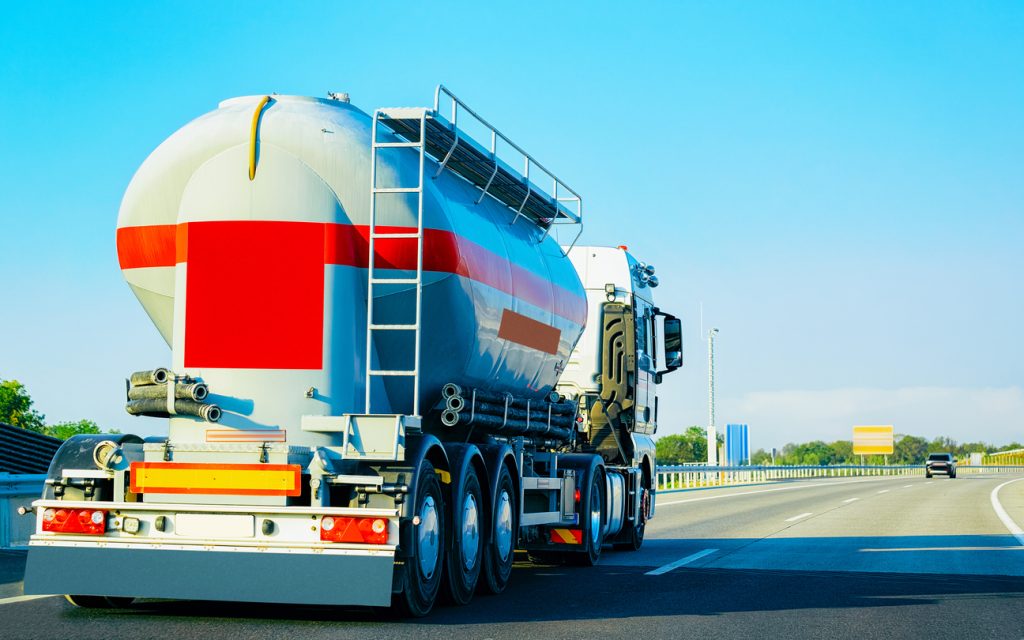
Running a business in Lagos without dependable water can quickly become an operational problem. Offices need water for staff facilities, restaurants depend on it for cleaning and food preparation, while construction sites, hotels, schools, estates, and event venues often require much larger volumes.
A reliable business water supply in Lagos helps companies avoid disruption when boreholes fail, public supply becomes inconsistent, or normal storage cannot meet demand. Travo.ng can support businesses that need coordinated water delivery alongside other commercial logistics services.
Know How Much Water Your Business Actually Uses
One common mistake is ordering water only when the tank is almost empty. By then, the business may already be under pressure.
A small office may only need periodic top-ups, while a hotel, restaurant, factory, construction site, or large residential estate can consume thousands of litres daily.
Before arranging delivery, check:
- Your storage tank capacity
- Average daily consumption
- How quickly existing reserves are falling
- Whether the water is for cleaning, sanitation, construction, or another purpose
- How frequently your location normally requires replenishment
Businesses with predictable consumption can schedule deliveries instead of making emergency requests every few days.
Lagos Traffic Can Affect Water Delivery Timing
Water delivery in Lagos is not simply about finding a tanker. Location and traffic matter.
A delivery moving toward Lekki, Victoria Island, Ikeja, Surulere, Ajah, or the Lagos mainland can face significant delays during peak traffic periods. Large tankers may also struggle with narrow estate roads, restricted entrances, or limited turning space.
For commercial locations, it is usually better to arrange delivery before the tank reaches a critical level. Offices and hospitality businesses may prefer early deliveries so water arrives before staff or customer activity becomes busy.
When arranging business water supply in Lagos, provide the correct location, tank size, access instructions, and preferred delivery window from the beginning.
Emergency Water Supply Needs Faster Coordination
Some shortages cannot wait.
A hotel with guests, a restaurant preparing for evening service, or a construction crew working through the day may need replacement water immediately after a pump failure or unexpected shortage.
Emergency arrangements are easier when the supplier already knows:
- The required volume
- The exact delivery address
- Whether a tanker can enter the premises
- Who will receive the delivery
- Where the water should be discharged
Clear information prevents drivers from arriving and discovering that the vehicle cannot access the property or connect properly to the storage point.
What Businesses Should Check Before Accepting Water
Price should not be the only consideration.
Businesses should understand the intended use of the supplied water and confirm that the source is appropriate for that purpose. Water required for construction has different considerations from water intended for kitchens, hospitality operations, or human consumption.
It is also useful to confirm the tanker capacity so procurement teams know exactly what they are paying for.
Keeping basic delivery records can help businesses monitor consumption, identify unusual increases, and plan future orders more accurately.
Plan Regular Water Deliveries Instead of Repeated Emergencies
For businesses that frequently depend on tanker deliveries, scheduled supply is usually easier to manage than last-minute ordering.
A facility manager might arrange deliveries twice weekly, while a construction project could require different quantities depending on the stage of work. Hotels and event facilities may also increase supply before weekends or periods of high occupancy.
Travo.ng can help coordinate business water supply in Lagos alongside transport, delivery, procurement, and other business logistics requirements.
Instead of waiting until operations are interrupted, companies can schedule water delivery based on actual usage and storage capacity. That gives facility managers more control, reduces emergency arrangements, and helps keep everyday business activities running smoothly.
