


When importing goods into Nigeria, choosing between ocean freight and air freight can significantly affect your total cost, delivery time and cash flow. The cheaper shipping rate is not always the cheaper option once customs, handling, storage and local delivery are included.
For Nigerian importers, the right choice usually depends on the type of goods, shipment size, urgency and how much you are willing to spend to get the cargo delivered faster.
How Ocean Freight Works for Nigerian Imports
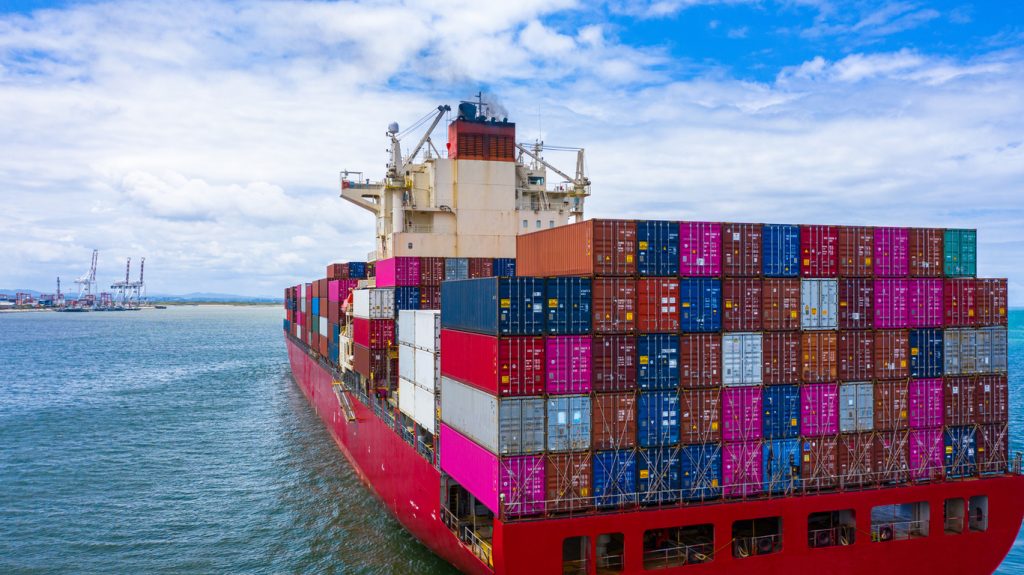
Ocean freight moves cargo by container or other sea transport from an overseas port to a Nigerian seaport. It is commonly used for large shipments because the cost per unit can be considerably lower than air freight.
Major Nigerian maritime gateways include Apapa, Tin Can Island, Lekki Deep Seaport and Onne, among others. Nigeria’s ports handle the overwhelming majority of the country’s international trade by volume and value. (Nigeria Customs Service)
Ocean freight is often suitable for:
- Furniture and household goods
- Machinery and equipment
- Building materials
- Vehicles and vehicle parts
- Clothing purchased in bulk
- Electronics in larger quantities
- Wholesale inventory
- Heavy or bulky products
The main disadvantage is time. Your goods may spend considerably longer in transit than an equivalent air shipment, and the overall delivery time can also be affected by port clearance, terminal procedures and inland transportation.
When Air Freight Makes More Sense
Air freight transports goods by aircraft and is generally chosen when speed is more important than the lowest possible freight cost.
It can be useful for Nigerian businesses importing:
- Small electronics
- Samples
- Documents
- Fashion products
- Spare parts
- High-value goods
- Urgent business supplies
- Small e-commerce orders
Air freight is particularly useful when waiting several weeks for a sea shipment could cause you to lose customers or run out of stock.
However, air freight normally becomes less attractive as shipment weight and volume increase because transportation charges can rise quickly.
Ocean Freight vs Air Freight: The Main Differences
The biggest difference is the balance between cost, speed and shipment size.
Ocean freight
- Lower cost for many large or heavy shipments
- Better suited to bulk imports
- Generally slower
- Requires port and terminal clearance
- Useful for inventory that can be planned in advance
Air freight
- Faster for time-sensitive shipments
- Better suited to smaller, high-value or urgent cargo
- Usually more expensive per unit of weight or volume
- Useful for samples and replenishing stock quickly
- Moves through airport cargo facilities rather than seaports
There is no single shipping method that is cheapest for every Nigerian importer. The comparison should be based on the total landed cost and delivery requirement, not just the initial freight quotation.
Which Is Cheaper for Importing to Nigeria?
For large and relatively low-value shipments, ocean freight will often be the more economical option.
For example, importing several cubic metres of furniture from China may make more sense by sea than paying air freight rates. But sending a small quantity of expensive computer components could justify air freight because the shipment is compact and time-sensitive.
You should also consider the costs after the cargo arrives in Nigeria. Customs duty, terminal charges, documentation, storage, delivery and other charges can affect the final amount you pay.
Nigeria Customs Service explains that customs valuation is based primarily on transaction value under the applicable valuation rules, while the tariff rate depends on the classification of the goods. (Nigeria Customs Service)
How Customs Affects Both Shipping Options
Choosing air freight does not mean avoiding Nigerian customs requirements.
Both commercial air and sea imports can be subject to customs procedures, documentation, valuation, classification, duties and other applicable requirements.
The Nigeria Customs Service currently uses its electronic customs management system for import declarations and related procedures. (Nigeria Customs Service)
Before shipping, an importer should have accurate information about:
- Product description
- HS code
- Invoice value
- Country of origin
- Freight cost
- Insurance where applicable
- Quantity and weight
- Import permits or regulatory requirements where applicable
Getting the product classification wrong can affect your duty calculation and may create delays during clearance.
Don’t Compare Freight Rates Alone
A common mistake is comparing an ocean freight quote with an air freight quote and immediately choosing the lower number.
Instead, calculate the complete cost of getting the goods from the supplier to your business.
Consider:
Product cost + freight + insurance + customs duty and taxes + port or airport charges + clearance costs + storage or demurrage where applicable + inland transportation + final delivery
For sea freight, port-related charges and the time required to clear and move cargo out of the terminal can be particularly important.
For air freight, the higher transportation cost may be partly offset by faster delivery and potentially shorter inventory waiting periods.
When Should a Nigerian Importer Choose Ocean Freight?
Ocean freight is worth considering when:
- You are importing large quantities.
- The goods are bulky or heavy.
- Your products are not urgently needed.
- You are restocking established inventory.
- Your business can plan shipments ahead.
- Keeping freight costs low is a major priority.
A business importing wholesale goods regularly may also benefit from consolidating shipments rather than sending many small consignments individually.
When Should You Choose Air Freight?
Air freight can be more practical when:
- The shipment is relatively small.
- The goods are high-value.
- Customers are waiting for the products.
- You need samples before placing a large order.
- Your stock has unexpectedly run out.
- The goods are time-sensitive.
- A delayed sea shipment would cost your business more in lost sales.
For example, a Nigerian fashion retailer waiting for a small batch of urgent products may prefer air freight rather than wait for a sea shipment simply to reduce transportation costs.
How Travo.ng Can Help With Import Transportation
Choosing the freight method is only one part of getting goods into Nigeria. Once the shipment arrives, you may still need transportation from the airport or seaport to your warehouse, shop or customer’s location.
Travo.ng can support the transportation and delivery side of the process through logistics coordination, cargo transportation, delivery and vehicle hire where required.
For example, an importer receiving cargo at a Lagos port may need a vehicle arranged to move the goods from the port to a warehouse or another destination. An importer receiving smaller cargo through an airport may similarly need onward transportation.
Travo.ng is not Nigeria Customs Service or a replacement for a licensed customs agent. Customs classification, valuation, duty assessment and regulatory clearance remain matters for the appropriate authorities and authorised professionals. Travo can instead help with the movement and delivery side of the wider logistics process.
How to Decide Between Air and Ocean Freight
Before booking your shipment, ask these questions:
- How heavy and bulky is the cargo?
- How quickly do I need it in Nigeria?
- What is the value of the goods?
- What is the complete landed cost by air?
- What is the complete landed cost by sea?
- Could delayed delivery affect my customers or business?
- Do I have enough stock to wait for sea transportation?
- What will inland delivery cost after arrival?
For a large shipment that is not urgent, ocean freight may fit the business model better. For smaller, urgent or high-value cargo, air freight may be more practical.
The important thing is to compare the complete logistics cost against the value of time, rather than choosing a shipping method based only on the advertised freight rate.
