


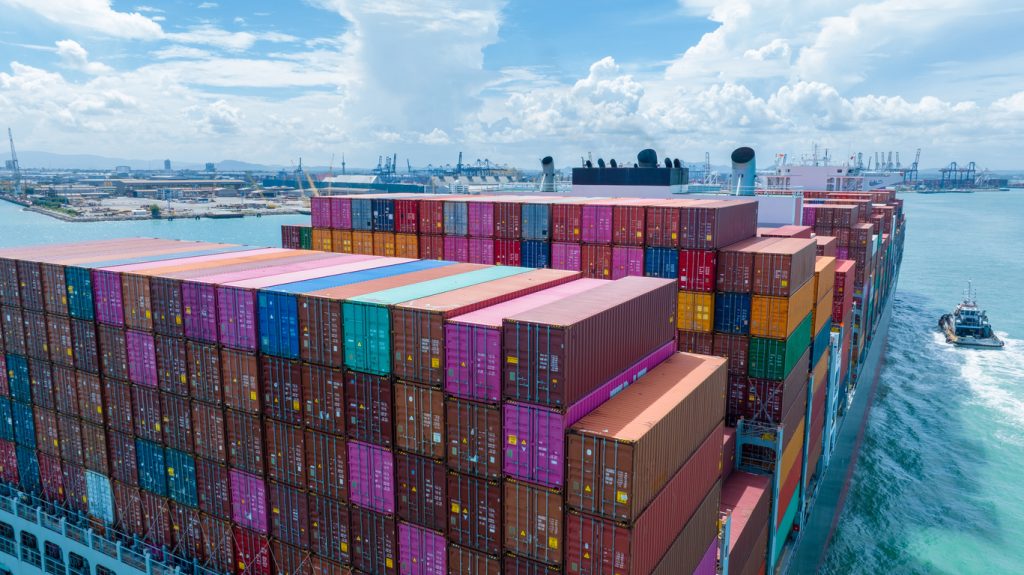
Importing goods into Nigeria involves much more than finding an overseas supplier and paying for shipping. A profitable import transaction requires planning around product selection, supplier verification, customs classification, documentation, freight, taxes, exchange rates and final delivery.
This is why businesses often seek import consulting in Nigeria before committing money to a shipment.
An import consultant can help an importer understand the process, identify potential risks and estimate the real cost of bringing goods into the country.
What Import Consulting Covers
Import consulting can cover different parts of the import process depending on the consultant’s area of expertise.
Common areas include:
- Product and market research
- Supplier sourcing and verification
- Import cost estimation
- HS code and tariff research
- Customs requirements
- Import documentation
- Regulatory requirements
- Freight planning
- Landed-cost analysis
- Import risk assessment
- Supply-chain planning
- Warehouse and delivery coordination
The objective is to help the business make important decisions before the goods are shipped.
Why Importers Need Professional Guidance
A new importer can easily focus on the supplier’s price while overlooking the costs that arise after the purchase.
For example, a product bought cheaply overseas may become expensive after adding freight, insurance, customs duty, VAT, levies, port charges, clearing expenses and inland transportation.
Nigeria’s Trade Information Portal provides product-specific import procedures, applicable costs, documentation and regulatory requirements, while the Nigeria Customs Service provides tariff and customs tools for importers. (NTIP – Nigerian Trade Information Portal)
Import consulting can bring these different requirements together before the importer commits capital.
Calculate Landed Cost Before You Import
One of the most important parts of import consulting is determining the expected landed cost.
A basic calculation should consider:
Product cost + freight + insurance + customs charges + other import costs + inland transportation = estimated landed cost
The exact charges depend on the product, origin, shipping method, customs classification and transaction.
An importer should then compare the estimated landed cost with the realistic Nigerian selling price.
If the numbers do not leave enough margin, the business can reconsider the product or supplier before making the purchase.
HS Code and Tariff Research
Product classification is another important area.
The HS code can affect applicable duties, levies, restrictions and regulatory requirements. Nigeria Customs’ current tariff portal allows traders to search HS classifications, review duty information and check import prohibitions. (NCS Tariff & CET Lookup Portal)
Import consultants can help businesses identify classification questions that need further investigation.
However, businesses should not treat a consultant’s estimate as a substitute for an official customs ruling where classification is uncertain.
Nigeria Customs also provides an Advance Ruling system for matters including tariff classification, origin and customs valuation. (Nigeria Customs Service)
Import Documentation
Import consulting can also help businesses organise the paperwork required for a transaction.
Depending on the goods, documents can include:
- Proforma or commercial invoice
- Form M
- Bill of Lading or Air Waybill
- Packing list
- CCVO
- Insurance certificate
- Product certificates
- Import permits
- Customs declaration documents
Nigeria’s current import guidance lists these types of documents and explains that requirements vary according to the product. (NTIP – Nigerian Trade Information Portal)
Getting documentation ready early can reduce avoidable delays once the shipment arrives.
Supplier Verification
Import consulting can also extend to overseas supplier selection.
A consultant may help an importer assess:
- Supplier business information
- Product specifications
- Minimum order quantity
- Prices and payment terms
- Production capacity
- Quality-control arrangements
- Export experience
- Samples
- Inspection options
The goal is not simply to find the supplier offering the lowest price.
The better question is:
Can this supplier consistently deliver the quantity and quality required at a cost that still makes the Nigerian business profitable?
Understanding Import Restrictions
Not every product can be imported under the same conditions.
Some products are prohibited, while others require approvals or certificates from relevant government agencies.
The Nigerian Trade Information Portal provides product-specific guidance covering applicable agencies, documents, costs and controls. (NTIP – Nigerian Trade Information Portal)
An importer should therefore investigate regulatory requirements before placing an order rather than waiting until the shipment is already on the water.
Import Consulting and Customs Clearing Are Different
This distinction is important.
An import consultant may help with planning, research, documentation preparation, cost analysis and general trade guidance.
A licensed customs agent, however, performs the regulated customs-clearing function. Nigeria Customs specifically identifies licensed customs agents as responsible for facilitating clearance and handling relevant customs procedures. (Customs Code)
A business should therefore establish exactly what an import consultant is authorised and contracted to do.
Choosing an Import Consultant in Nigeria
Before hiring an import consultant, ask about their experience with your particular type of transaction.
Useful questions include:
- Have you handled this type of product before?
- Do you understand its regulatory requirements?
- Can you help calculate the landed cost?
- Can you assist with supplier verification?
- What documentation do you review?
- Do you work with licensed customs agents?
- What happens if the shipment is delayed?
- What exactly is included in your fee?
Be cautious of anyone promising guaranteed profits or claiming that customs costs can be bypassed.
Good consulting should make the transaction clearer, not create unrealistic expectations.
How Travo.ng Can Support Import Logistics
Travo.ng can support the transportation and delivery side of an importer’s logistics plan.
Once goods have completed the necessary customs and port or airport procedures, they still need to reach their final destination.
Depending on the requirement, Travo.ng can support relevant cargo transportation, vehicle hire, delivery coordination and onward logistics within Nigeria.
For example, an importer bringing goods through a Lagos port may need transportation from the port to a warehouse, distribution centre, shop or customer. Including that movement in the import plan helps produce a more realistic landed-cost estimate.
Travo.ng is not a customs authority or a replacement for a licensed customs agent. Its role is relevant to the transportation and logistics stages rather than official customs assessment or clearance.
Digital Import Processes in Nigeria
Nigeria’s import environment is increasingly dependent on digital trade systems.
The National Single Window provides access to import and export procedures, duty information, exchange-rate information and other trade resources, while Nigeria Customs operates B’Odogwu as a digital customs-processing platform. (NTIP – Nigerian Trade Information Portal)
The current import procedure also includes registration, HS-code checks, relevant permits, Form M, Pre-Arrival Assessment Report, customs declaration, payment, inspection and release, depending on the transaction. (NTIP – Nigerian Trade Information Portal)
An importer therefore benefits from keeping accurate records and preparing information before the shipment arrives.
When Import Consulting Is Most Useful
Professional import guidance can be particularly useful when:
- You are importing for the first time
- The product is highly regulated
- You are placing a large order
- You are unsure about the HS code
- The supplier is unfamiliar
- You are comparing different sourcing countries
- Your landed-cost calculation is complicated
- You are expanding from small shipments to commercial volumes
For simple transactions, an experienced importer may already understand much of the process. For unfamiliar or higher-value transactions, getting advice before committing money can help identify problems early.
Import Consulting Should Start Before the Supplier Is Paid
The most useful time to identify an import problem is before the shipment leaves the supplier.
Before placing an order, the business should know:
What am I importing?
Is it permitted?
Who am I buying from?
What is the correct classification?
How much will the complete transaction cost?
What documents and approvals are required?
How will the goods reach Nigeria?
How will they get from the port or airport to the final destination?
What selling price and margin are realistically achievable?
Answering these questions early gives an importer a much clearer basis for deciding whether to proceed.
Import consulting is ultimately about reducing uncertainty. The better the planning before shipment, the fewer expensive surprises a Nigerian business is likely to encounter after the goods arrive.
