


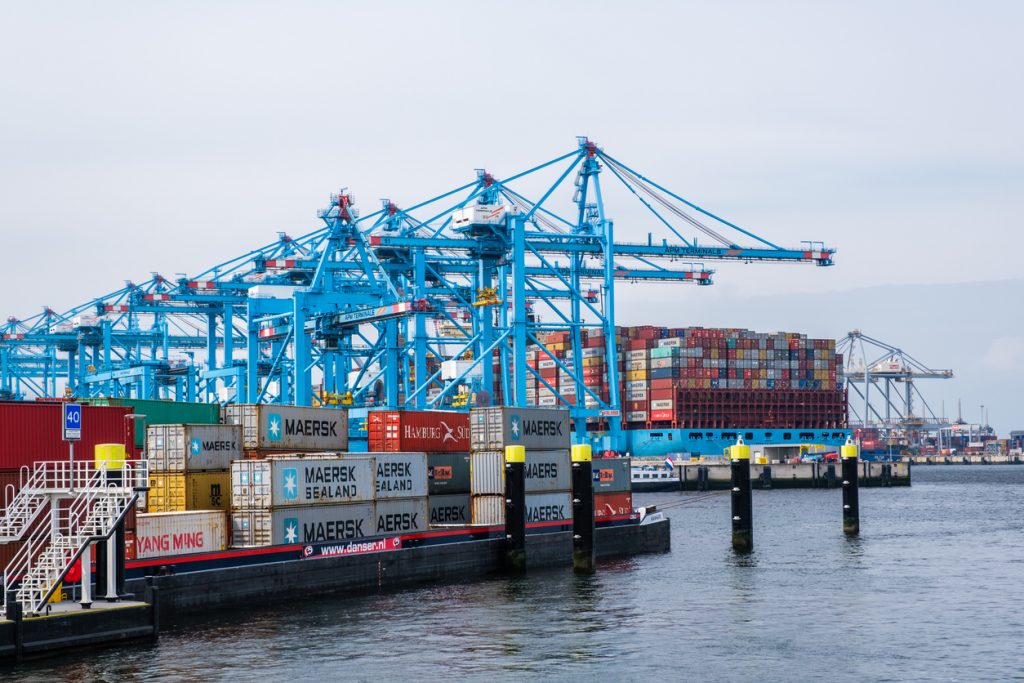
Moving a container from the port to a warehouse in Nigeria is rarely as simple as “load and go.” Between port delays, road conditions, truck availability, security concerns, documentation, and delivery timing, businesses need more than just a truck. They need proper coordination.
That is why inland container transport in Nigeria is a serious part of supply chain planning for importers, exporters, manufacturers, distributors, retailers, and clearing agents. Whether the container is leaving Apapa, Tin Can Island, Onne, or a bonded terminal, one poor transport arrangement can lead to demurrage, damaged goods, missed delivery windows, or unexpected extra costs.
Travo.ng helps businesses coordinate practical logistics support for container movement, cargo delivery, transport planning, and related services across Nigeria.
What Inland Container Movement Really Involves
Inland container transport means moving loaded or empty shipping containers from a port, terminal, depot, factory, warehouse, or customer location to another inland destination.
Common routes include:
- Apapa Port to Ikeja, Ogba, Amuwo Odofin, or Alaba
- Tin Can Island to warehouses in Lagos Mainland
- Lagos to Ibadan, Abeokuta, Benin, Onitsha, Aba, Port Harcourt, or Abuja
- Onne Port to Aba, Owerri, Enugu, or northern distribution points
- Inland depots to factories, farms, or retail distribution centres
For a business owner, the main concern is not just distance. It is whether the container can move on time, arrive safely, and avoid unnecessary charges.
Why Container Haulage Needs Proper Planning
A 20-foot or 40-foot container requires the right truck, driver, route plan, loading arrangement, and sometimes security support. In Lagos especially, timing matters. Moving from Apapa to an inland warehouse during heavy traffic can take far longer than expected if the movement is not planned properly.
Some common issues include:
- No available truck when the container is ready
- Drivers arriving late at the terminal
- Poor route planning through congested corridors
- Incomplete release documents
- Unexpected offloading delays at the destination
- Poor communication between clearing agent, transporter, and receiver
These problems can quickly increase costs. A business expecting a same-day delivery within Lagos may lose a full day if the truck is not properly scheduled.
What It Can Cost to Move Containers Inland
Container transport pricing in Nigeria depends on the route, container size, truck type, cargo weight, urgency, and current road or port conditions.
For example, moving a container within Lagos may cost less than moving it from Lagos to Abuja, Kano, Aba, or Port Harcourt. A 40-foot loaded container will usually cost more than a 20-foot container because of truck capacity, fuel usage, and handling requirements.
Businesses should also budget for possible extras such as:
- Terminal waiting time
- Loading or offloading labour
- Truck detention
- Escort or security support for sensitive cargo
- Empty container return
- Weekend or urgent movement charges
The mistake many importers make is asking only for the cheapest truck. A cheaper option can become more expensive if the truck breaks down, arrives late, or fails to return the empty container on time.
Moving Containers From Lagos Ports to Other States
Lagos remains one of the busiest cargo entry points in Nigeria, so many inland container movements start from Apapa or Tin Can Island. Popular delivery destinations include Ibadan, Benin, Onitsha, Aba, Enugu, Abuja, Kano, and Port Harcourt.
For interstate cargo movement, proper communication is important. The receiver must know when the truck is leaving, where it is on the road, and when offloading should be ready. If a truck arrives at a warehouse and nobody is prepared to offload, the business may pay avoidable waiting charges.
Travo.ng can support businesses with cargo logistics coordination, transport arrangements, delivery planning, and related movement services so that container delivery does not depend on last-minute guesswork.
Mistakes Businesses Make When Booking Container Transport
Many container delivery problems happen before the truck even starts moving.
Common mistakes include:
- Booking too late
Waiting until the container is already released before looking for a truck can cause delays. - Ignoring container weight
Heavy cargo needs a suitable truck. Using the wrong vehicle can create safety and compliance issues. - Not confirming destination access
Some warehouses have narrow roads, low gates, weak floors, or limited turning space. - Forgetting empty container return
After delivery, the empty container may need to go back to a shipping line depot within a specific period. - Choosing only by price
Reliability, truck condition, driver experience, and route knowledge matter.
When Businesses Should Use a Logistics Partner
If your business regularly imports goods, distributes stock, supplies retailers, or handles bulk cargo, working with a logistics partner can save time and reduce operational stress.
A practical partner helps with:
- Container haulage coordination
- Cargo logistics planning
- Interstate delivery support
- Truck sourcing
- Delivery updates
- Empty container return arrangements
- Business logistics support
- Relocation or bulk movement planning
This is where Travo.ng becomes useful. Instead of calling multiple transporters and hoping one is available, businesses can use Travo.ng to arrange suitable logistics and transport support based on the route, cargo type, and delivery need.
How to Prepare Before Moving a Container
Before booking container transport, have these details ready:
- Pickup location or terminal
- Delivery address
- Container size
- Cargo type and estimated weight
- Required delivery date
- Contact person at pickup and destination
- Offloading arrangement
- Empty container return instruction
- Any security or timing concern
The clearer the information, the easier it is to avoid delays and price surprises.
A Practical Way to Handle Container Logistics in Nigeria
Container movement in Nigeria requires local knowledge, patience, and proper coordination. The route may look simple on paper, but port traffic, terminal procedures, road conditions, and customer readiness can affect the entire delivery.
For businesses that need dependable inland container transport, cargo movement, courier support, delivery services, or wider logistics coordination, Travo.ng offers a practical way to organise the process without wasting time chasing different vendors.
Whether you are moving goods from Lagos ports to a warehouse, sending cargo across states, arranging business deliveries, or coordinating transport for bulk items, Travo.ng can help you plan and book the right support for the job.
