


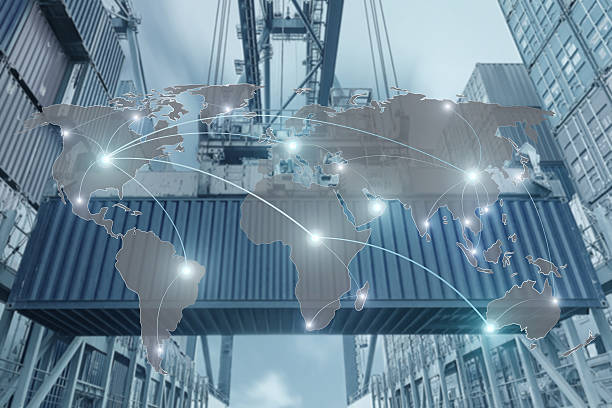
A freight technology platform uses digital tools to make the movement of goods easier to book, manage, track and analyse. Instead of relying on phone calls, spreadsheets, brokers and separate messaging channels, businesses can manage more of their freight operations through one digital system.
For Nigerian importers, manufacturers, distributors and logistics companies, this can be particularly useful when managing multiple shipments, transporters or delivery locations.
What Is a Freight Technology Platform?
A freight technology platform can connect different parts of the logistics process, including:
- Cargo booking
- Freight quotations
- Transporter selection
- Vehicle allocation
- Shipment tracking
- Route management
- Digital documentation
- Delivery confirmation
- Payments
- Freight reporting
The exact features vary between platforms. Some focus mainly on road transportation, while others support international freight procurement, ocean and air shipping, or broader supply-chain management.
Digital Freight Booking
Traditional freight booking can involve contacting several transporters before finding available capacity.
A digital platform can streamline this process by allowing a business to enter the cargo details, pickup point, destination, required vehicle and preferred schedule.
The system can then provide available options or connect the shipment with suitable transport providers.
Digital freight platforms are increasingly combining booking, pricing and tracking into the same workflow.
Freight Rate Management
Pricing is one of the most important parts of freight operations.
A technology platform can help businesses collect and compare freight rates based on factors such as:
- Route
- Distance
- Cargo type
- Weight
- Vehicle type
- Fuel costs
- Delivery requirements
- Available capacity
This gives businesses a better basis for budgeting instead of relying on informal price estimates.
For Nigerian businesses, having clear freight pricing can be particularly useful when transportation costs form a significant part of the final landed cost of imported goods.
Real-Time Shipment Tracking
Freight technology can also improve shipment visibility.
Instead of repeatedly calling a driver or logistics provider, businesses can use digital tracking to monitor the progress of a shipment and receive updates at important stages.
Depending on the platform, tracking may provide:
- Current location
- Estimated arrival time
- Pickup confirmation
- Delivery status
- Route information
- Delay alerts
- Proof of delivery
This becomes increasingly valuable when a company is managing several shipments at the same time.
Connecting Shippers With Transporters
Some freight technology platforms operate as digital marketplaces.
They connect businesses that have cargo with transporters that have available trucks or other freight capacity.
This can help reduce the amount of manual searching required to find transportation.
In West Africa, newer freight platforms are using digital matching systems to connect shippers and carriers, while also incorporating verification, tracking and digital settlement.
Reducing Empty Truck Trips
One major logistics problem is a vehicle returning without cargo.
A freight technology platform can use information about available loads and vehicles to identify potential return cargo.
Better matching can increase vehicle utilisation and potentially reduce the cost associated with empty journeys.
This is especially relevant for businesses operating regular routes between major Nigerian commercial centres.
Freight Documentation
International freight involves a significant amount of documentation.
A digital freight platform can help businesses organise documents associated with shipments, such as invoices, shipping documents, delivery records and other operational paperwork.
Keeping documents in a central system makes it easier for logistics teams to retrieve information when needed and maintain a record of previous shipments.
Freight Technology and Nigerian Ports
Technology is also becoming more important in Nigeria’s wider trade environment.
Nigeria launched the first phase of its National Single Window in 2026 as a digital platform intended to streamline import and export processes and reduce administrative friction at the ports.
This broader shift toward digital trade infrastructure means freight businesses increasingly need systems that can work alongside electronic customs, port and documentation processes.
Data and Freight Analytics
A freight technology platform can turn shipment records into useful business information.
Companies can analyse:
- Average freight cost
- Cost per route
- Delivery performance
- Transporter performance
- Shipment volumes
- Vehicle utilisation
- Delays
- Customer activity
- Seasonal demand
This information can help logistics managers identify expensive routes, unreliable service patterns and opportunities to improve operations.
Who Can Use Freight Technology?
Freight technology is useful for more than traditional logistics companies.
Potential users include:
- Importers
- Exporters
- Manufacturers
- Distributors
- FMCG companies
- E-commerce businesses
- Retailers
- Freight forwarders
- Fleet owners
- Third-party logistics companies
An importer, for example, may use a platform to coordinate cargo from the port to a warehouse, while a manufacturer may use it to organise regular deliveries to distributors.
What to Look For in a Freight Platform
Before adopting a freight technology platform, businesses should consider whether it provides the features they actually need.
Important areas to assess include:
- Booking functionality
- Transparent pricing
- Transporter verification
- Shipment tracking
- Digital proof of delivery
- Document management
- Payment options
- Reporting and analytics
- Customer support
- Integration with existing business systems
The platform should solve an operational problem rather than simply add another piece of software to the business.
How Travo.ng Can Help With Freight Logistics
Travo.ng can support businesses with cargo logistics, shipping coordination, transportation and delivery requirements.
For an importer or distributor, freight technology can help organise the digital side of a shipment, while logistics coordination ensures the physical cargo moves from the port, supplier or warehouse to its final destination.
Combining digital visibility with practical logistics support can make freight operations easier to manage as shipment volumes increase.
Building a More Connected Freight Operation
A freight technology platform can bring booking, pricing, transport coordination, tracking and reporting closer together.
For Nigerian businesses, the value is particularly clear when freight operations become too large to manage efficiently through phone calls, spreadsheets and disconnected communication channels.
The objective is not simply to digitise an existing process. A well-designed freight system should give businesses better visibility, reduce unnecessary manual work and provide useful data for making logistics decisions.
