


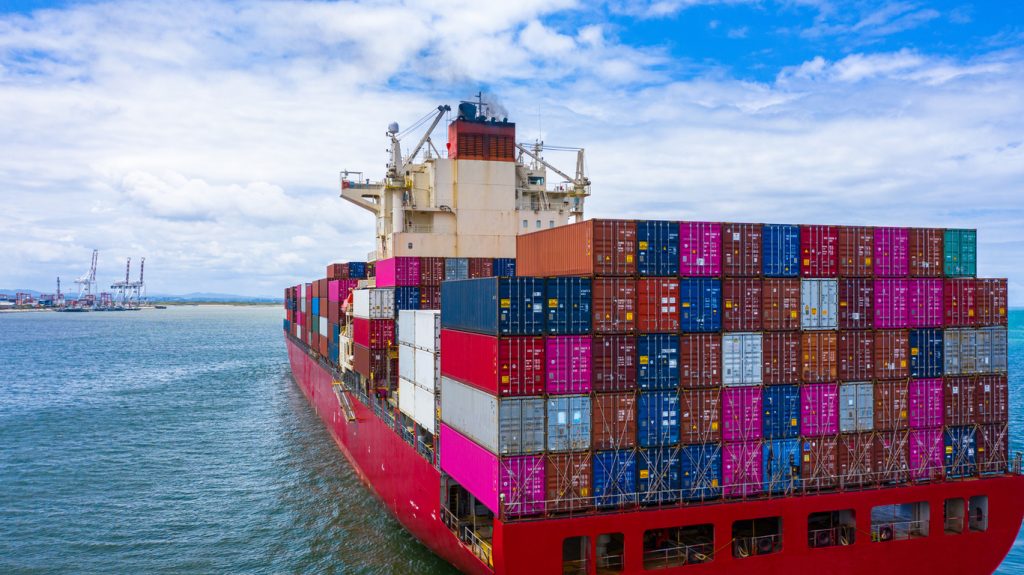
Freight handling in Africa involves several stages, from collecting goods and preparing shipments to transporting them through airports, ports, warehouses, and roads. Each stage can introduce delays or additional costs when equipment, infrastructure, documentation, or communication is not properly coordinated.
For businesses moving goods between African cities or importing and exporting internationally, understanding these challenges makes it easier to plan realistic delivery schedules and avoid preventable problems.
Limited Handling Infrastructure
One of the biggest challenges affecting freight handling is the availability and condition of logistics infrastructure.
Some facilities may have limited warehouse capacity, loading areas, cargo equipment, storage space, or specialised facilities for particular types of goods. When shipment volumes increase, these limitations can lead to congestion and longer processing times.
Growing cargo volumes make investment in modern warehouses, handling equipment, road connections, and airport cargo facilities increasingly important.
Shortages of Handling Equipment
Freight needs suitable equipment to be moved safely and efficiently.
Forklifts, pallet trucks, loading equipment, cargo handling systems, refrigerated units, and other specialised equipment may not always be available when needed. Equipment breakdowns can create additional delays when replacement units are difficult to source.
Regular maintenance and proper equipment planning can help logistics operators reduce these disruptions.
Customs and Documentation Delays
Documentation problems can hold freight even when the physical transportation is progressing normally.
Incorrect shipment details, missing documents, unclear descriptions, or incomplete regulatory information can result in additional checks and processing delays. International shipments may also need permits or certificates depending on the type of goods.
Preparing documentation early and ensuring that the information is consistent across shipping records can help reduce avoidable problems.
Road Congestion and Poor Connectivity
Freight often depends on road transportation before or after reaching an airport, port, warehouse, or distribution centre.
Traffic congestion can significantly increase delivery times in major cities. A shipment leaving an airport in Lagos, for example, may face substantial road delays depending on the destination and time of day.
Long-distance freight can also be affected by road conditions, construction, checkpoints, weather, and limited connectivity between commercial centres.
Challenges With Time-Sensitive Freight
Some shipments are particularly sensitive to delays.
Perishable agricultural products, pharmaceuticals, aircraft components, electronics, and urgent commercial goods may require fast and controlled handling. When cargo spends too long waiting for clearance, loading, collection, or delivery, the consequences can be more serious.
Businesses handling time-sensitive freight should plan each stage of the journey instead of focusing only on the transportation leg.
Cold Chain Handling Problems
Temperature-sensitive freight requires specialised facilities and consistent temperature control.
Pharmaceuticals, fresh food, flowers, vaccines, and other products may require refrigerated storage and vehicles. Breaks in the cold chain during loading, airport handling, warehousing, or road delivery can affect the condition of the goods.
Before shipping temperature-sensitive products, businesses should confirm that suitable storage and transportation facilities are available at every relevant stage.
Communication Gaps Between Logistics Teams
Freight often involves several parties, including shippers, carriers, freight forwarders, customs representatives, warehouse operators, ground handlers, and delivery companies.
When these parties do not share information effectively, small problems can become larger delays. A change in arrival time or delivery instructions, for example, may not reach the driver or receiving warehouse quickly enough.
Clear communication channels and regular shipment updates can improve coordination.
Cargo Congestion During Peak Periods
Freight volumes can increase during holiday seasons, major commercial events, harvest periods, and periods of strong import activity.
Higher volumes can put pressure on warehouses, transport fleets, airport cargo terminals, and customs operations. Businesses that wait until peak periods to arrange transportation may face fewer vehicle options and longer processing times.
Early booking and realistic delivery planning can help reduce the impact of seasonal congestion.
Theft, Damage and Cargo Security
Freight must be protected throughout its journey.
Poor packaging, careless handling, inadequate storage, and weak security procedures can increase the risk of damaged or missing goods. High-value shipments may require additional security arrangements and controlled access.
Businesses should select logistics partners based on the type and value of the cargo and establish clear procedures for handover and delivery confirmation.
Difficulty Tracking Freight in Transit
Without reliable shipment visibility, businesses may struggle to know where their goods are or why a delivery is delayed.
Digital tracking systems can provide updates across important stages, including collection, warehouse receipt, airport or port handling, customs clearance, dispatch, and final delivery.
Better visibility allows businesses to adjust their plans and communicate more accurately with customers.
How Travo.ng Can Help With Freight Movement
Travo.ng supports logistics coordination for businesses and individuals that need to move goods and people efficiently. Depending on the requirement, services can include delivery coordination, cargo logistics, transport arrangements, airport transfers, and other travel and movement solutions.
For freight moving through major African cities, arranging the collection and final delivery in advance can help reduce unnecessary waiting after cargo is released from an airport, port, or warehouse.
Planning Around Freight Handling Challenges
Freight handling challenges in Africa vary between countries, routes, facilities, and types of cargo. Infrastructure limitations, equipment shortages, customs procedures, road congestion, seasonal demand, and communication gaps can all affect delivery performance.
Businesses can reduce avoidable disruption by preparing documentation early, selecting suitable handling facilities, planning around traffic and peak periods, using appropriate equipment, and coordinating the entire journey from origin to final destination.
Good freight logistics is not simply about moving goods quickly. It is about making every stage of the movement predictable, properly coordinated, and suitable for the cargo being transported.
