


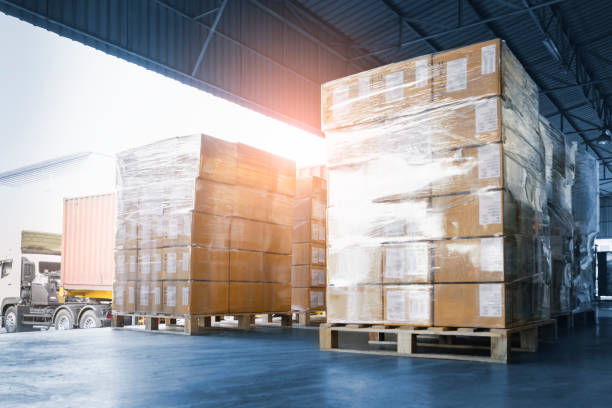
Importing goods from China to Kenya can involve several stages, from collecting products from suppliers to international shipping, customs clearance and final delivery. A reliable freight forwarder from China to Kenya helps coordinate these steps so your cargo can move efficiently from the supplier or warehouse in China to Kenya.
For businesses buying from Alibaba, 1688, Yiwu markets, Guangzhou, Shenzhen or other Chinese suppliers, freight forwarding can make it easier to manage multiple suppliers and different shipment requirements.
How Freight Forwarding from China to Kenya Works
The process usually starts when your goods are ready with your Chinese suppliers. A freight forwarder can coordinate collection and movement to a warehouse or consolidation facility.
- Supplier collection: Goods are collected from your suppliers in China and moved to the designated warehouse.
- Warehouse receiving: Packages are received, counted and checked against the shipping information provided.
- Consolidation: If you purchased from several suppliers, compatible packages can be combined into one shipment. Repacking may also be arranged where appropriate.
- Freight selection: Air freight is generally suitable for smaller, urgent or higher-value shipments, while sea freight is commonly preferred for larger and heavier commercial cargo.
- Export and international shipping: The cargo is prepared for export and transported from China toward Kenya, usually with Mombasa serving as an important seaport gateway.
- Kenya customs clearance: On arrival, the shipment goes through the required customs procedures. Import documentation, classification and applicable duties and taxes need to be handled correctly.
- Inland delivery: After clearance, goods can be transported from Mombasa toward Nairobi and other Kenyan destinations.
What Documents Are Needed?
The exact requirements depend on the goods, but commercial imports may require documents such as a commercial invoice, packing list, Bill of Lading or Airway Bill, certificate of origin and relevant import permits or conformity documentation.
Kenya also requires importers to work with the appropriate customs and clearing arrangements. Accurate product descriptions and HS codes are important because customs duties and regulatory requirements depend on the goods being imported.
For applicable containerised shipments, Kenya’s Advance Cargo Declaration system also requires cargo information and supporting documents before loading. (acd.kra.go.ke)
Air Freight or Sea Freight?
Air freight is usually considered when speed is more important than cost, particularly for smaller shipments, samples, electronics and urgent stock.
Sea freight is often more practical for furniture, machinery, building materials, wholesale merchandise and other bulky goods. Smaller shipments can be consolidated, while larger volumes may justify a full container.
The best option depends on your cargo’s weight, volume, value, urgency and destination.
How Travo.ng Can Help
Travo.ng can help coordinate the logistics involved in moving goods from Chinese suppliers toward Kenya, including supplier collection, shipment consolidation, freight planning and delivery coordination.
Whether you are importing wholesale products from Guangzhou, electronics from Shenzhen or merchandise from Yiwu, having the shipment properly organised from the beginning can reduce avoidable delays and make your landed-cost planning easier.
Before shipping, confirm the cargo type, quantity, dimensions, destination in Kenya and preferred freight method so the appropriate shipping arrangement can be planned.
