


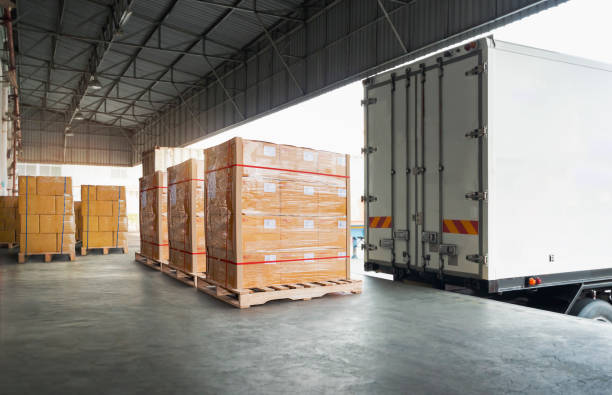
A freight cost calculator helps importers estimate how much it will cost to move goods from a supplier or origin country to Nigeria. Instead of looking only at the supplier’s product price, you can estimate the freight charge based on factors such as weight, volume, shipping method, destination and cargo type.
For Nigerian importers, getting this estimate before paying a supplier can make a major difference. Freight can affect your final landed cost, selling price and profit margin.
What a Freight Cost Calculator Uses
A freight estimate normally starts with basic information about the shipment. Depending on the carrier or freight forwarder, you may need:
- Country and city of origin
- Nigerian destination
- Product type
- Number of packages
- Gross and net weight
- Dimensions of each package
- Total CBM for sea freight
- Shipping method
- Container size, where applicable
- Freight rate
- Currency and exchange rate
- Insurance cost
- Port or terminal charges
For example, a small shipment from China to Lagos may be priced differently from a larger shipment even if both contain the same product. Air freight commonly depends heavily on chargeable weight, while sea freight is often influenced by volume, container size and whether the cargo is full-container or consolidated.
Nigeria’s trade documentation systems also record freight charges alongside other import information, and official trade procedures distinguish between FOB value, freight and the resulting C&F value. (Trade Nigeria)
Air Freight and Sea Freight Need Different Calculations
The shipping method is one of the biggest factors affecting your freight cost.
Air freight is generally useful when goods need to arrive quickly or the shipment is relatively small and time-sensitive. The calculation can involve actual weight and volumetric or dimensional weight.
Sea freight is commonly considered for larger or heavier shipments because it can be more economical per unit when cargo is moved in larger quantities. Your calculation may involve CBM, container size, port of loading and port of discharge.
For containerised shipments, the freight amount can also depend on the route, carrier, container type and current market rate.
Freight Cost Is Not the Same as Landed Cost
One common mistake among new importers is treating the freight charge as the total cost of bringing goods into Nigeria.
A simple freight estimate may look like:
Freight Cost = Applicable Freight Rate × Chargeable Weight or Volume
But your total landed cost can also include:
- Product purchase price
- Freight
- Insurance
- Import duty
- VAT and applicable levies
- Port and terminal charges
- Clearing costs
- Storage or demurrage
- Inland transportation
- Delivery to your final location
The Nigerian Trade Information Portal’s customs tools separate freight and insurance from the FOB value when determining the customs-related calculation. (Trade Nigeria)
This means a freight calculator should be treated as one part of your import-cost calculation rather than the final amount you need to budget.
Check the Freight Rate Before Using the Estimate
A freight quote should not be accepted simply because the headline price looks cheap.
Check what the quoted amount actually covers. Some quotes may cover transportation between ports or airports while leaving other charges to be paid separately.
For Nigerian imports, factors such as the carrier, loading port, discharge port, container size and declared freight value can affect how freight charges are assessed. Nigeria’s trade system maintains freight records that can be compared using details such as carrier, ports, container size and currency. (Trade Nigeria)
Before committing to a shipment, ask whether the quotation includes:
- Origin charges
- Main international freight
- Destination charges
- Terminal charges
- Documentation
- Delivery
- Insurance
- Customs-related costs
This prevents an apparently cheap freight quote from becoming expensive after additional charges are added.
Calculate Freight Per Unit
If you are importing products for resale, calculating the freight cost per item can make your pricing much clearer.
For example, if your total freight-related cost for a shipment is ₦600,000 and the shipment contains 1,000 units:
₦600,000 ÷ 1,000 = ₦600 freight cost per unit
You can then add the product cost, customs charges and other applicable expenses to determine your approximate landed cost per unit.
This is particularly useful when comparing suppliers because a supplier offering a lower product price may not necessarily give you the lowest total import cost.
How Travo.ng Can Help With Freight-Related Logistics
Travo.ng can support the logistics side of moving goods after you have determined your freight requirements. Depending on the shipment, this can include transportation coordination, cargo delivery, vehicle hire and onward movement of goods within Nigeria.
For example, an importer bringing cargo into Lagos may need to plan not only the international freight but also how the goods will move from the relevant port or logistics location to a warehouse, shop or customer. Travo.ng can support that domestic transportation and delivery requirement.
Travo.ng is not a replacement for Nigeria Customs Service assessment or a licensed customs agent handling customs declarations. Its role is to help with the wider transportation and logistics requirements around the movement of people and goods.
Use a Freight Calculator Before You Place an Order
A freight cost calculator is most useful when you have accurate shipment information. Get the product dimensions, weight, quantity, origin, destination and shipping method before trying to estimate the cost.
Also compare the calculator’s result with an actual freight quotation before making a large payment. Freight rates can change, and the final amount can depend on charges that are not included in a basic online estimate.
For Nigerian importers, the best approach is to calculate freight cost first, then work out the wider landed cost. This gives you a clearer idea of what each item will actually cost before it reaches your business.
