


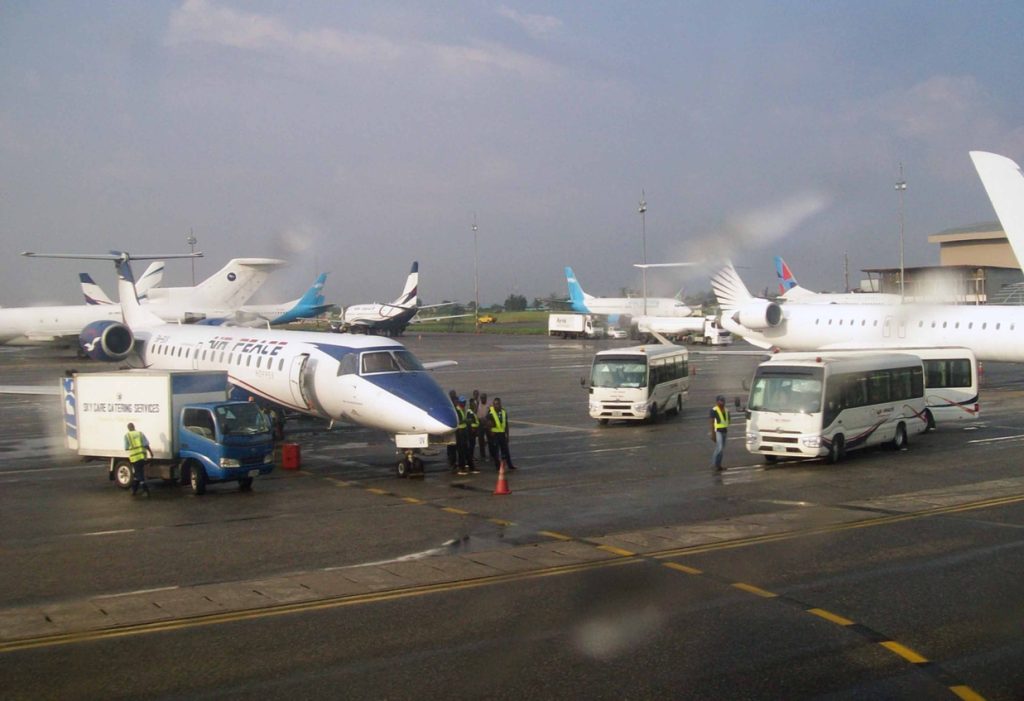
Ground crew training in Africa is an important part of maintaining safe and efficient airport operations. Ground personnel work around aircraft, passengers, baggage, cargo, ground support equipment and other airport teams, often under tight turnaround schedules.
Ground crew roles can include ramp agents, baggage handlers, passenger service agents, aircraft turnaround teams, ground support equipment operators and other airport support personnel. Their responsibilities may differ, but they all need a clear understanding of airport procedures, safety requirements and how different ground operations fit together.
IATA’s ground operations training framework covers areas such as ramp services, aircraft servicing, GSE, turnaround procedures, safety and security. (iata.org)
What Ground Crew Training Should Cover
Training needs to reflect the specific role an employee will perform. A new ramp worker, for example, will require different practical training from a station supervisor.
Common areas include:
- Airport and airside safety
- Aircraft turnaround procedures
- Ramp operations
- Baggage handling
- Passenger handling
- Ground support equipment
- Aircraft servicing
- Airside driving and vehicle safety
- Dangerous goods awareness
- Security procedures
- Human factors
- Emergency response
- Communication and teamwork
- Occupational health and safety
IATA’s Airport Ramp Services course similarly introduces the airside environment, turnaround planning, GSE, standard operating procedures, safety and ramp security. (IATA)
Why Practical Training Matters on the Ramp
Ground operations happen close to aircraft, which means mistakes can have serious operational and safety consequences.
Employees need to understand where they can stand, where vehicles can operate, how equipment should approach an aircraft and how different teams should coordinate during a turnaround.
Training should therefore combine classroom instruction with practical exercises and supervised workplace experience where appropriate.
A new employee may understand a procedure theoretically but still require practical guidance before performing it independently around an aircraft.
Ground Support Equipment Training
Ground support equipment is a major part of ground operations.
Depending on their responsibilities, ground crew may work around or operate equipment such as baggage tractors, belt loaders, passenger stairs, ground power units, pushback tractors and other specialised vehicles.
Training should cover the correct use of equipment, operating limitations, inspection procedures and basic safety precautions.
Equipment training is especially important because GSE operates in a congested environment where aircraft, vehicles, workers and other equipment are moving within close proximity.
In Nigeria, NAHCO’s aviation training centre lists aircraft ground support equipment training alongside ground handling operations assistant training and safety and human-factor programmes. (nahcoaviance.com)
Aircraft Turnaround Training
Ground crew play an important role in getting an aircraft ready for its next flight.
A turnaround can involve several activities happening simultaneously, including:
- Passenger disembarkation
- Baggage unloading
- Aircraft cleaning
- Catering
- Refuelling
- Cargo operations
- Cabin preparation
- Baggage loading
- Passenger boarding
- Pushback preparation
Training should help employees understand how their individual task fits into the overall turnaround.
For example, a baggage team that finishes late can affect loading, while a delayed cleaning team can hold up boarding. Effective communication between teams is therefore just as important as completing individual tasks.
Safety and Human Factors
Technical knowledge alone is not enough for effective ground crew training.
Human factors can influence how employees respond to fatigue, time pressure, distractions, communication problems and unexpected situations.
Training should encourage staff to identify hazards and report safety concerns rather than prioritising speed at the expense of safe procedures.
IATA’s ground operations safety training focuses on systematic risk management, safety performance monitoring and managing risks within ground operations. (IATA)
Ground crew should also understand emergency procedures and know how to respond when normal operations are interrupted.
Baggage and Cargo Handling Training
Baggage and cargo operations require their own practical knowledge.
Staff need to understand baggage identification, loading and unloading procedures, transfer baggage, damaged or mishandled baggage and communication with passenger service teams.
Cargo personnel may require additional training covering documentation, loading procedures, security and dangerous goods requirements.
Training becomes particularly important when cargo involves materials with special handling requirements. Staff must know when an item requires additional procedures rather than treating every shipment as ordinary cargo.
Security and Airside Awareness
Ground crew operate within controlled airport environments, so security awareness should be part of their training.
Personnel may need to understand access controls, restricted areas, identification requirements, suspicious activity reporting and procedures for maintaining security around aircraft and airport facilities.
Airside awareness also includes understanding vehicle routes, designated pedestrian areas, aircraft movement zones and other restrictions established by the airport.
The exact requirements vary according to the airport, employer, role and applicable regulations, so training should be aligned with local procedures and regulatory requirements.
Challenges Facing Ground Crew Training in Africa
African airports do not all have the same infrastructure, equipment or training resources.
Some operators may have access to modern training facilities and experienced instructors, while others may face difficulties with training capacity, equipment availability, cost or access to specialised instructors.
There can also be differences between the training employees receive before employment and the recurrent training required once they begin working.
This makes continuous training important. Aviation procedures, equipment and operational requirements change, and experienced employees still need refresher training.
ICAO’s training catalogue includes ground handling programmes aimed at ground handling staff, airline staff, cargo personnel, airport supervisors and other aviation professionals. (Igat)
Building Better Ground Crew Training Programmes
A strong training programme should go beyond giving employees a certificate.
Airlines and ground handling companies can improve training by:
- Identifying the exact competencies required for each role.
- Combining classroom and practical instruction.
- Providing supervised on-the-job training.
- Conducting regular competency assessments.
- Providing recurrent safety training.
- Training employees on the specific GSE they will use.
- Using realistic turnaround scenarios.
- Strengthening human-factor and communication training.
- Recording training and competency results properly.
- Updating training when procedures or equipment change.
Training should also be evaluated against actual operational performance. If repeated baggage errors, GSE incidents or turnaround delays occur, the organisation can investigate whether additional training is required.
Ground Crew Training and Africa’s Aviation Workforce
Ground crew development is part of the wider effort to build a stronger African aviation workforce.
As airports and airlines expand their operations, they need personnel who can work safely and consistently in demanding environments. Training institutions, airlines, airports, ground handlers and regulators all have roles to play in developing that workforce.
Nigeria already has aviation training organisations offering specialised ground handling programmes. NCAT, for example, is listed in the ICAO training catalogue as an aviation training institution in Nigeria, while private industry providers also offer ground handling and GSE-related programmes. (Igat)
The objective should be to create a continuous pathway from entry-level training to practical experience, recurrent training and supervisory development.
How Travo.ng Can Support Ground Crew Travel and Logistics
Travo.ng does not provide specialist ground crew training or operate airport ramps. Its role is to support the travel and logistics requirements surrounding aviation personnel and training activities.
For example, a ground handling company may need employees or instructors to travel between Lagos, Abuja and other locations for training, operational assignments or aviation projects. Travo.ng can help coordinate travel bookings, airport pickups, hotel reservations and vehicle hire for these personnel.
When training programmes involve participants travelling from different cities, having accommodation and transportation arranged in advance can make the overall programme easier to manage.
Travo.ng can also support relevant delivery and logistics requirements outside restricted airport operations where documents or permitted items need to move between locations.
This allows aviation organisations to focus on training and ground operations while their surrounding travel and mobility arrangements are handled separately.
Preparing Ground Crew for Safer Airport Operations
Ground crew training is not a one-time exercise. Employees need an initial foundation before starting their duties, followed by practical supervision, competency checks and recurrent training.
The strongest programmes combine technical knowledge with practical experience, safety awareness, communication and an understanding of how individual tasks affect the wider aircraft turnaround.
For African airports, improving access to quality ground operations training can support safer ramp activities, more consistent service delivery and a stronger pipeline of aviation professionals. As airport operations become more complex, investing in competent ground personnel will remain an important part of keeping aircraft, passengers, baggage and equipment moving efficiently.
