


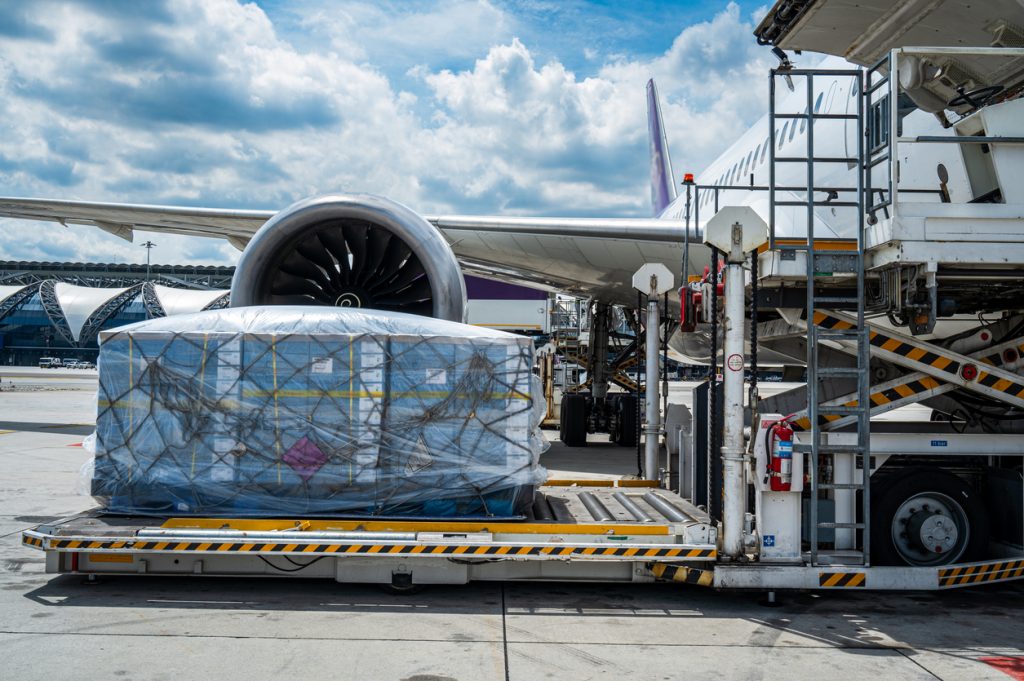
Aircraft spare parts logistics in Africa is a critical part of keeping airlines and aviation operators operational. When a component is required for scheduled maintenance or an aircraft is grounded unexpectedly, getting the correct part to the right location can become a race against time.
The challenge is not simply finding a spare part. Operators also have to consider certification, traceability, supplier reliability, customs procedures, international shipping, storage and final delivery to the maintenance facility. Recent African aviation industry discussions have identified parts availability, logistics delays, customs procedures and limited regional distribution hubs as significant constraints on aircraft maintenance. (Afraa)
Why Aircraft Spare Parts Are Difficult to Move in Africa
Aircraft components often come from specialised manufacturers, distributors or approved suppliers located outside the country where an aircraft is being maintained.
A typical spare-parts movement may involve:
- Identifying the required part number
- Checking available inventory
- Confirming certification and traceability
- Purchasing or arranging the component
- Export documentation
- Air freight or other transportation
- Customs clearance
- Airport handling
- Final delivery to the MRO facility
- Inspection before installation
A delay at any point can extend aircraft downtime.
Aircraft-on-Ground Situations Need Fast Logistics
An Aircraft-on-Ground (AOG) situation is particularly sensitive because the aircraft may be unable to operate until the required component is available and approved for installation.
For an African operator, the required part may be located in Europe, the Middle East, Asia or another African market. The physical distance can make an urgent requirement more complicated than simply placing an order.
AOG logistics therefore requires rapid sourcing, clear communication, appropriate documentation and reliable transportation.
Current industry reporting continues to identify spare-parts shortages and extended sourcing times as important contributors to aircraft downtime in African markets. (Aviation Week)
Certification and Traceability Cannot Be Ignored
Speed is important, but aircraft parts cannot be treated like ordinary commercial cargo.
Maintenance organisations and operators need to establish that components meet the applicable technical and regulatory requirements. Documentation and traceability can therefore be just as important as the physical delivery.
A part that arrives quickly but lacks the required documentation may still be unusable.
This is why procurement teams need to verify the supplier, component condition, certification, traceability and applicable maintenance requirements before arranging transportation.
Customs Can Add Significant Lead Time
Internationally sourced aircraft components may have to pass through customs before reaching an African maintenance facility.
Documentation errors, classification questions, inspections, taxes, permits or differences between national procedures can create additional delays.
The issue becomes more serious during AOG situations because a part may already have been urgently sourced and transported, only to spend additional time waiting for clearance.
The African MRO Conference 2026 highlighted customs procedures and administrative requirements as factors that can prolong spare-parts procurement and called for greater regional logistics capability. (Afraa)
The Problem With Limited Regional Inventory
Keeping every possible aircraft component in every African market would be expensive and impractical.
However, limited regional inventory can make urgent procurement slower when operators depend heavily on overseas suppliers.
Regional warehouses, component pools and strategically positioned inventory can reduce the distance between available parts and aircraft that need them. Industry reporting has pointed to regional distribution and warehousing as important areas for strengthening African aviation supply chains. (Aviation Week)
The objective is not necessarily to stock everything locally. It is to position high-demand or operationally critical components where they can be accessed quickly.
Transporting Oversized and Sensitive Components
Aircraft parts vary considerably in size, weight and handling requirements.
Small avionics components may require controlled handling and documentation, while larger components such as landing gear, engines or auxiliary power units can require specialised transportation arrangements.
Some shipments may also have specific requirements relating to dangerous goods, packaging, security or temperature.
The logistics provider therefore needs to understand the nature of the component before arranging transportation rather than treating every spare part as standard cargo.
Technology Can Improve Spare Parts Visibility
Digital systems can make aircraft spare-parts logistics easier to manage.
Airlines and MRO organisations can use inventory-management platforms, procurement systems and shared databases to monitor available components, maintenance requirements and supplier information.
Better data visibility can help procurement teams identify available stock before placing new orders and plan replenishment before inventory becomes critically low.
IATA is also developing supply-chain initiatives around materials availability, data visibility, alternative parts and improved materials planning as the global aviation supply chain remains under pressure. (IATA)
Building Better Spare Parts Networks in Africa
A stronger African aircraft spare-parts network would involve more than simply importing additional components.
Airlines, MROs, OEMs, distributors, freight companies, customs authorities and regulators all have roles to play.
Practical improvements can include:
- Regional spare-parts warehouses
- Better inventory-sharing arrangements
- Approved supplier networks
- Faster customs procedures
- Digital procurement systems
- Improved shipment tracking
- Stronger MRO partnerships
- Strategic AOG stock
- Better regional air cargo connections
- Greater local repair capability
These measures can reduce the amount of time an aircraft spends waiting for material rather than maintenance work.
How Travo.ng Can Support Aviation Logistics
Travo.ng is not an aircraft-parts supplier, MRO organisation or aviation certification provider. Its potential role is in supporting the wider transportation and logistics requirements surrounding aviation operations.
Where appropriate, Travo.ng can assist with transportation coordination, delivery logistics, airport transfers, vehicle hire, travel bookings and accommodation for personnel involved in aviation projects.
For example, if an aviation company has engineers travelling to Nigeria to support an aircraft maintenance event, Travo.ng can help coordinate their flights, airport pickup, accommodation and local transportation. For logistics movements that fall within its available delivery services, it can also support the wider movement process.
This distinction is important: specialist aircraft components still need to come through appropriate aviation procurement and certified supply channels, while Travo.ng can help with relevant travel and ground logistics around those operations.
Planning for Aircraft Spare Parts Before an AOG Event
The best time to solve a spare-parts logistics problem is before an aircraft is grounded.
Airlines and MROs can reduce exposure by identifying critical components, maintaining reliable supplier relationships, monitoring inventory levels and establishing clear emergency transportation procedures.
It is also useful to know in advance which customs processes apply, which airports can handle particular cargo and which logistics providers can support urgent movements.
A documented AOG logistics plan can save valuable time when every hour of aircraft downtime matters.
Making Aircraft Spare Parts Logistics More Reliable
Aircraft spare-parts logistics in Africa sits at the intersection of aviation maintenance, procurement, freight forwarding, customs and transportation.
The continent’s dependence on overseas parts markets means distance and cross-border procedures will remain important considerations, but better regional inventory, digital visibility, stronger MRO networks and more efficient logistics coordination can reduce unnecessary delays.
For airlines and maintenance organisations, the goal is straightforward: get the right certified component to the right maintenance location with the documentation and handling required, while keeping the aircraft out of service for as little unnecessary time as possible.
