


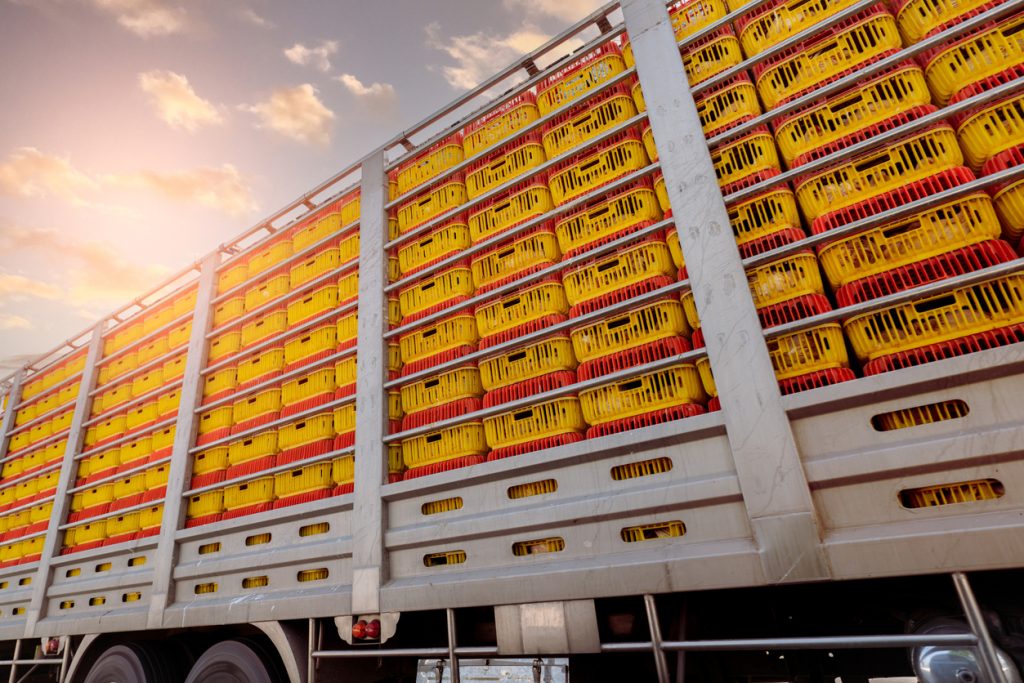
Livestock delivery in Nigeria involves transporting cattle, goats, sheep, pigs and other farm animals from farms, ranches, markets and breeding facilities to buyers, livestock markets, abattoirs and other destinations.
Because livestock are living cargo, delivery requires careful planning. The vehicle, route, loading arrangements, documentation and receiving location all need to be considered before the animals leave their origin.
How Livestock Delivery Works in Nigeria
A livestock delivery usually begins by confirming the type and number of animals, pickup location, destination and expected delivery time.
The transporter can then select a suitable vehicle and plan the route. The vehicle should provide appropriate ventilation, secure containment and enough space for the animals being transported.
Loading and unloading should also be handled carefully to reduce unnecessary stress and injuries.
Interstate Livestock Delivery
Livestock is frequently moved between Nigerian states for farming, breeding, trading and commercial purposes.
A delivery from Kano to Lagos, Kaduna to Abuja or another long-distance route requires more preparation than a short local movement. Traffic, road conditions, vehicle breakdowns and unexpected delays can affect the journey.
For trade animals, Nigerian quarantine legislation provides for veterinary movement and loading permits at interstate veterinary control posts. (National Agricultural Quarantine Service)
Cattle Delivery in Nigeria
Cattle delivery can involve moving animals from farms and ranches to livestock markets, breeding facilities, abattoirs or commercial buyers.
Because cattle are large animals, the vehicle needs sufficient capacity and appropriate loading arrangements. The receiving location should also be prepared before the cattle leave the farm or market.
This helps minimise waiting time after a long journey and allows unloading to take place efficiently.
Goat and Sheep Delivery
Goats and sheep are commonly delivered for farming, breeding, livestock trading and market sales.
Although smaller than cattle, they still need suitable transportation, adequate ventilation and secure containment. The number of animals should be appropriate for the available space.
During periods of increased demand, arranging transportation early can help traders secure suitable vehicles and delivery schedules.
Long-Distance Livestock Delivery
Long-distance livestock delivery requires realistic route planning. The estimated driving distance does not always represent the actual journey time because Nigerian roads can involve traffic congestion, road repairs, checkpoints and unexpected delays.
The owner and transporter should agree on a realistic delivery window and maintain communication during the journey.
Watering, feeding and other animal-care arrangements should also be considered according to the species and length of the trip.
Livestock Delivery Documentation
Documentation depends on the type of movement and destination.
For domestic commercial movements, livestock owners should confirm the applicable veterinary and movement requirements before departure. NAQS conducts inspection of trade animals at designated quarantine control posts. (National Agricultural Quarantine Service)
International livestock deliveries require additional preparation. Depending on the shipment, NAQS requirements can include permits, inspection, laboratory analysis, quarantine and certification. (National Agricultural Quarantine Service)
Common Livestock Delivery Problems
Livestock deliveries can become difficult when transportation is poorly planned. Common problems include:
- Overcrowded vehicles
- Poor ventilation
- Unsafe loading
- Vehicle breakdowns
- Traffic delays
- Missing documentation
- Unclear delivery instructions
- Delayed unloading
- An unprepared receiving facility
Confirming the complete delivery plan before departure can help reduce avoidable problems.
How Travo.ng Can Help With Livestock Delivery
Travo.ng can help coordinate transportation and delivery logistics for livestock movements where suitable vehicle arrangements, pickup scheduling and route planning are required.
For farmers, livestock traders and agricultural businesses, logistics coordination can cover pickup, transportation scheduling and final delivery between farms, markets and other Nigerian destinations.
Where veterinary inspections, movement permits or other regulatory requirements apply, these should be confirmed with the appropriate authorities before the animals begin their journey.
Planning Livestock Delivery in Nigeria
Successful livestock delivery requires more than hiring a truck. The animals, vehicle, route, documentation, delivery schedule and receiving facility should all be considered together.
Whether you are delivering a few goats to a buyer or transporting cattle across several Nigerian states, early planning can help make the journey more organised, reduce avoidable delays and support safer handling throughout transportation.
