


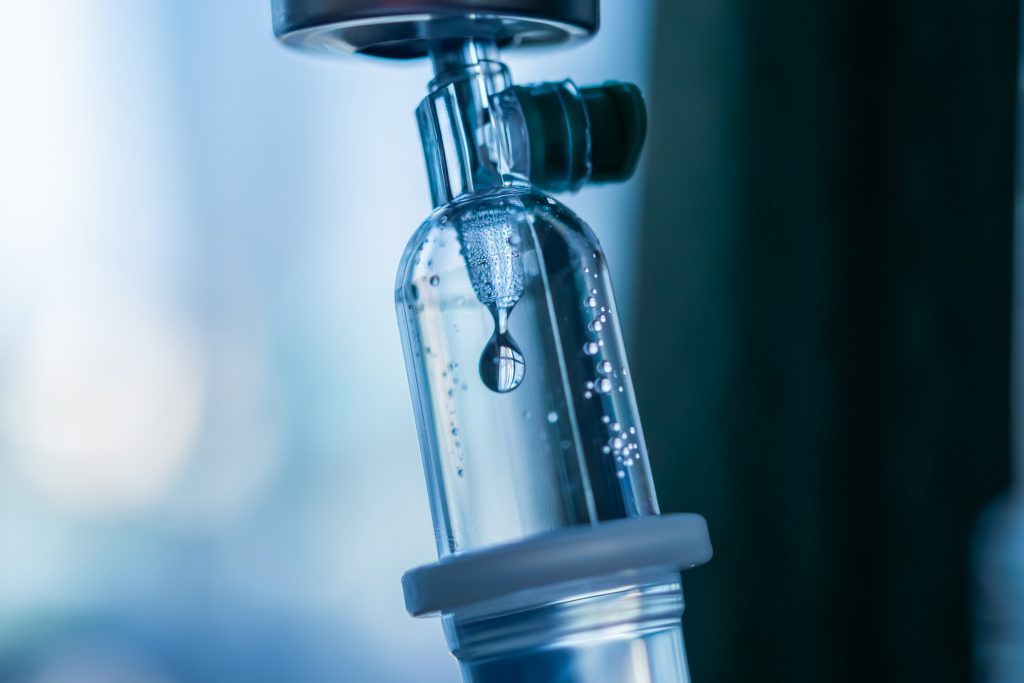
A reliable water supply for hospital in Nigeria is essential for maintaining hygiene, supporting patient care, and keeping medical facilities operational. From cleaning surgical instruments to washing hospital bedding, healthcare facilities depend on consistent access to safe water.
However, hospitals in Lagos, Abuja, Port Harcourt, and other Nigerian cities often experience challenges with unreliable public water systems, faulty boreholes, and electricity shortages affecting water pumping.
For hospital administrators, waiting until storage tanks are empty before arranging water delivery can disrupt essential services.
Travo.ng provides logistics and transport coordination support that can help healthcare facilities arrange water deliveries and manage their supply requirements more efficiently.
How Much Water Does a Hospital Need Daily?
Hospital water consumption depends on the number of patients, available facilities, and medical services provided.
A small private clinic in Ikeja may require significantly less water than a large hospital operating surgical theatres, maternity wards, laboratories, and laundry departments.
For preliminary planning, facilities can consider these illustrative estimates:
- Small clinics: 1,000–5,000 litres daily, depending on services.
- Medium-sized hospitals: 5,000–20,000 litres or more daily.
- Large hospitals: 20,000 litres to well above 50,000 litres daily.
These are broad planning examples, not regulatory standards. Actual demand should be calculated using patient occupancy, staff numbers, equipment requirements, and facility operations.
Hospitals should also maintain emergency water reserves based on their assessed operational risks.
Common Water Supply Problems Facing Nigerian Hospitals
Many healthcare facilities depend on boreholes, overhead tanks, and private water suppliers.
During electricity outages, hospitals without reliable backup pumping systems may struggle to transfer water into storage tanks.
In areas such as Lekki, Ajah, and parts of Port Harcourt, groundwater quality can also create treatment challenges.
Other common problems include:
- Delayed water tanker deliveries during heavy traffic.
- Insufficient storage capacity during supply interruptions.
- Contaminated water from poorly maintained tanks.
- Increased water demand during patient admission peaks.
- Unexpected borehole pump failures.
A hospital that depends entirely on one water source faces greater operational risks when that source becomes unavailable.
Arranging Emergency Water Supply for Hospital in Nigeria
Emergency water delivery requires more planning than simply contacting a tanker driver.
Hospitals must first identify the quantity needed, the intended use, and whether the supplier can meet the required water quality standards.
For example, a hospital in Victoria Island experiencing a borehole failure may need an urgent tanker delivery. However, Lagos traffic, tanker availability, and access restrictions can affect arrival times.
Before confirming delivery, administrators should establish:
- The required water volume in litres.
- Whether the water is intended for drinking, cleaning, sanitation, or clinical use.
- The supplier’s water quality testing records.
- Tanker cleanliness and previous cargo history.
- Delivery access and available unloading equipment.
Water intended for drinking, hand hygiene, medical procedures, or other clinical purposes must meet applicable quality requirements. Untreated tanker water should never automatically be considered suitable for patient care.
Planning Bulk Water Deliveries for Hospitals
Hospitals with high daily consumption may benefit from scheduled bulk water deliveries instead of relying on emergency orders.
A healthcare facility in Abuja, for instance, could arrange deliveries around its expected daily demand and available storage capacity.
Regular scheduling helps administrators coordinate tanker arrivals, reduce last-minute transport difficulties, and maintain predictable supply arrangements.
Travo.ng can support the logistics side through transport coordination and delivery planning, subject to supplier availability and confirmation of service requirements.
Hospitals should independently verify water quality, treatment suitability, and supplier compliance before accepting deliveries.
Keeping Hospital Water Storage Safe
Reliable delivery is only one part of hospital water management.
Poorly maintained storage tanks can introduce contamination even when delivered water initially meets the required standard.
Healthcare facilities should establish routine procedures for inspecting tanks, cleaning storage systems, monitoring water quality, and maintaining distribution pipes.
Separate storage or treatment arrangements may also be necessary for different hospital applications.
Medical laboratories, dialysis units, and sterilisation departments can require specially treated water that ordinary bulk water suppliers may not provide.
How Travo.ng Can Support Hospital Water Delivery Logistics
Organising water deliveries across Nigerian cities involves supplier communication, vehicle availability, access planning, and delivery coordination.
Travo.ng offers logistics and transport support that healthcare administrators can use when arranging suitable delivery solutions.
For hospitals managing multiple branches, coordinated logistics can also simplify scheduling and communication between facilities and transport providers.
Administrators should confirm the availability of water transport arrangements, supplier qualifications, delivery costs, and expected timelines before booking.
Arrange a More Reliable Hospital Water Supply
Hospitals cannot afford prolonged interruptions to essential water services.
Maintaining adequate storage, identifying qualified suppliers, and arranging dependable delivery coordination can reduce the risk of shortages affecting patient care.
For facilities seeking water supply for hospital in Nigeria, Travo.ng can assist with relevant logistics enquiries and transport coordination.
Contact Travo.ng to discuss your hospital’s water delivery requirements, location, expected volume, and available transport options.
