


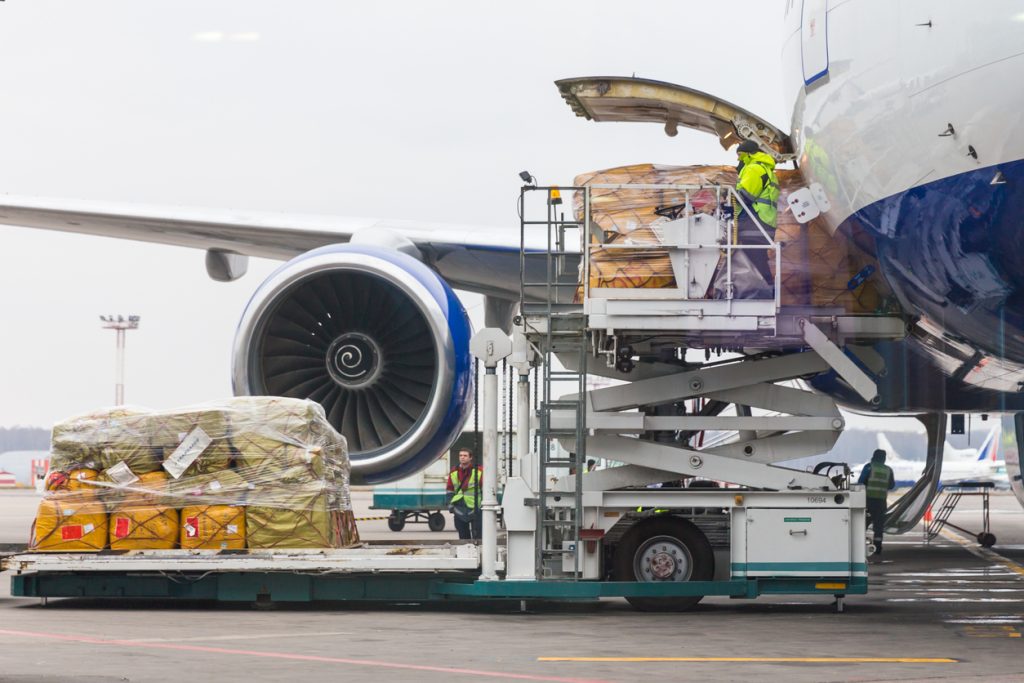
Airport support equipment plays a major role in keeping aircraft, passengers and cargo moving efficiently across African airports. From passenger boarding stairs and baggage carts to aircraft tugs, belt loaders and ground power units, this equipment supports many of the activities that take place between an aircraft arriving at the stand and departing for its next destination.
The equipment used on the ground can directly affect turnaround times, safety and the workload of airport and ground-handling personnel. IATA describes ground support equipment as essential to safe and efficient airport operations and notes that its design and functionality affect both operational efficiency and staff safety. (IATA)
What Counts as Airport Support Equipment?
Airport support equipment covers a wide range of machinery and vehicles used around aircraft and airport facilities.
Common examples include:
- Aircraft pushback tractors and tugs
- Belt loaders
- Passenger boarding stairs
- Baggage tractors and carts
- Ground power units
- Air-start units
- Aircraft catering trucks
- Water and lavatory service vehicles
- Cargo loaders
- Forklifts
- Maintenance platforms
- De-icing equipment where required
- Service vehicles used around the aircraft stand
The exact equipment required depends on the airport, aircraft types, passenger volumes and services provided by the ground-handling company.
Why Equipment Availability Affects Airport Operations
Having the right equipment available at the right time is essential during aircraft turnaround.
An aircraft may arrive on schedule, but if a baggage tractor, belt loader or ground power unit is unavailable, the next stage of the turnaround can be delayed.
This can become more complicated at busy airports where several aircraft require equipment simultaneously. Ground handlers therefore need to manage equipment allocation carefully and ensure that essential units are available during peak operating periods.
IATA identifies safe and on-time ground handling as important operational priorities, with ground support equipment forming a key part of the process. (IATA)
Equipment Maintenance Is Just as Important as Equipment Numbers
Buying more airport support equipment does not automatically solve operational problems.
Equipment needs regular inspection, preventive maintenance and timely repairs. A ground handler may have several units available on paper but still face shortages if a significant number are out of service.
Maintenance teams need access to spare parts, qualified technicians and appropriate workshop facilities. Equipment that repeatedly breaks down can create additional pressure on the units that remain operational.
For African airports, maintenance planning is particularly important because replacing or repairing specialised equipment may involve international suppliers and longer procurement times.
Ground Support Equipment and Aircraft Safety
Airport support equipment operates in close proximity to aircraft, vehicles and people. Poor equipment positioning, inadequate training or equipment malfunction can therefore create safety risks.
IATA identifies ground support equipment operations as a significant contributor to aircraft ground damage and has promoted enhanced GSE with anti-collision systems as one way of reducing risk. (IATA)
Equipment such as belt loaders, passenger stairs and cargo loaders needs to be operated carefully because contact with an aircraft can cause costly damage and disrupt subsequent flights.
This makes equipment condition, operator training and standard operating procedures important parts of airport ground safety.
The Challenge of Modernising Airport Equipment in Africa
Some African airports and ground handlers face challenges when upgrading their equipment fleets.
Modern GSE can require significant capital investment. Operators also need to consider maintenance costs, spare parts availability, charging infrastructure for electric equipment and compatibility with existing airport operations.
AFRAA has noted that ground-handling standards vary considerably across African airports and that infrastructure and passenger/cargo handling facilities can be inadequate or limited in some locations. (afraa.org)
Modernisation therefore involves more than purchasing new vehicles. Airports and handlers need an equipment strategy covering procurement, maintenance, training, replacement cycles and operational requirements.
Electric Airport Support Equipment
Electric GSE is becoming increasingly relevant to airport operators looking to reduce emissions and noise around aircraft stands.
Electric versions of some baggage tractors, ground power equipment and other support vehicles can reduce local emissions and noise compared with conventional equipment. IATA says electric GSE can also reduce maintenance costs, although the transition requires appropriate planning and infrastructure. (IATA)
For African airports, factors such as electricity reliability, charging infrastructure, climate, utilisation levels and total ownership costs need to be considered before large-scale adoption.
Equipment and Aircraft Turnaround Times
Airport support equipment directly contributes to the different activities required during an aircraft turnaround.
After landing, an aircraft may need ground power, passenger stairs or an air bridge, baggage handling equipment, cargo loaders, water services, catering and other support before departure.
If one of these activities is delayed, it can affect the aircraft’s scheduled departure.
This is why ground handlers increasingly focus on equipment positioning, real-time coordination and preventive maintenance rather than simply increasing the size of their equipment fleets.
Digital Technology Can Improve Equipment Management
Technology can help airport operators monitor equipment availability and condition.
GPS or location systems, maintenance-management software and equipment sensors can provide information about where units are located, whether they are available and when maintenance is required.
IATA has also highlighted digitalisation alongside modern GSE and stronger standards as important areas for building more resilient ground-handling operations. (IATA)
For a busy airport, better equipment visibility can make it easier to assign the right unit to an aircraft and identify potential shortages before they affect the turnaround.
How Travo.ng Can Support Airport-Related Travel and Logistics
Travo.ng is not a specialist airport equipment supplier or ground-handling company, so it does not provide aircraft tugs, baggage loaders, ground power units or other airside GSE.
Its role can instead support the wider travel and transportation activities surrounding airport operations. For example, aviation companies may need airport transfers for staff, hotel reservations for travelling teams, vehicle hire or transportation coordination between airports, offices and accommodation.
Travo.ng can help coordinate relevant travel bookings, airport transfers, accommodation and transportation requirements, allowing businesses and travellers to manage the road and passenger logistics surrounding their aviation activities.
This distinction is important because specialist airside equipment and aircraft-handling functions require qualified airport and ground-handling operators.
What African Airports Should Consider When Choosing Support Equipment
Before purchasing or leasing airport support equipment, operators need to look beyond the initial price.
Important considerations include:
- Aircraft types regularly handled
- Expected equipment utilisation
- Availability of spare parts
- Local maintenance capability
- Operator training requirements
- Fuel or electricity requirements
- Equipment safety features
- Compatibility with existing airport infrastructure
- Total ownership and maintenance costs
- Availability of replacement units during breakdowns
The right equipment strategy should match the airport’s actual operational requirements rather than simply increasing the number of machines available.
Building More Reliable Airport Ground Operations
Airport support equipment is one part of a much larger aviation logistics system. Reliable equipment needs to be combined with trained personnel, proper maintenance, clear operating procedures, adequate infrastructure and effective coordination between airlines, airports and ground handlers.
As African aviation continues to develop, investment in modern and maintainable equipment can become increasingly important. The focus should not only be on acquiring newer machines, but also on keeping equipment available, safe and properly integrated into daily airport operations.
