


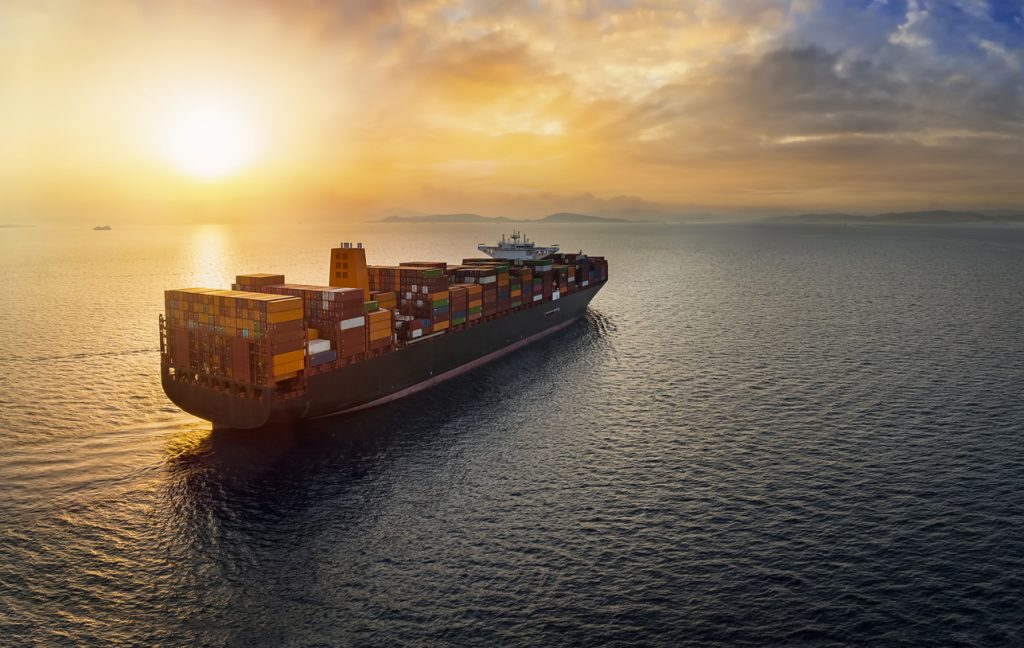
In shipping, a vessel only makes money when it is moving cargo or performing an offshore assignment. Everything else—waiting at port, idle time, or poor scheduling—is cost without return. This is why vessel chartering and management services exist: to connect ship owners with cargo demand while ensuring the vessel is technically ready, compliant, and efficiently operated.
For ship owners and maritime investors in Nigeria and global trade routes, these services are the bridge between owning a ship and consistently earning from it.
What vessel chartering and management services actually mean
These services combine two critical functions:
- Chartering – finding and managing contracts for the vessel to carry cargo or perform marine operations
- Vessel management – handling technical, operational, and regulatory aspects of running the ship
Together, they ensure the vessel is both earning revenue and operating efficiently at the same time.
Why chartering alone is not enough without vessel management
Many new ship owners assume that securing a charter is the main job. In reality, chartering only creates income potential. Without proper management, that income can quickly be lost through:
- Fuel inefficiency
- Port delays
- Maintenance failures
- Crew mismanagement
- Compliance violations
- Voyage disruptions
A vessel that is not properly managed can earn revenue on paper but lose profitability in operations.
Core components of vessel chartering services
1. Spot charter arrangements
Spot chartering involves short-term contracts where vessels are hired for a single voyage or limited duration.
It includes:
- Negotiating freight rates per voyage
- Matching vessels to immediate cargo demand
- Quick deployment scheduling
- Managing laycan windows (loading timeframe)
Spot markets are fast-moving and require quick decision-making.
2. Time charter agreements
In time chartering, the vessel is hired for a fixed period.
This involves:
- Daily or monthly charter rates
- Long-term scheduling stability
- Shared operational responsibilities between owner and charterer
- Predictable revenue streams
Time charters are preferred for stable cash flow.
3. Voyage charter operations
Under voyage chartering, payment is based on a specific cargo journey.
Services include:
- Full voyage planning
- Port coordination at both ends
- Cargo loading and discharge supervision
- Fuel and route optimisation
This model ties income directly to completed voyages.
4. Charter party negotiation and compliance
Charter agreements must be carefully structured.
Management teams handle:
- Freight rate negotiation
- Contract terms and risk allocation
- Laytime and demurrage conditions
- Penalty avoidance clauses
- Legal compliance with maritime regulations
Strong contracts protect vessel profitability.
What vessel management services cover alongside chartering
1. Technical vessel readiness
A chartered vessel must be operational at all times.
This includes:
- Engine maintenance and performance checks
- Hull inspection and repair scheduling
- Dry-docking planning
- Preventive maintenance systems
A vessel that fails during a charter loses revenue immediately.
2. Crew management and operational control
Crew efficiency affects voyage success.
Management includes:
- Crew recruitment and certification
- Rotation scheduling for long voyages
- Safety training and compliance
- Payroll and welfare coordination
A disciplined crew ensures smooth cargo operations.
3. Voyage and fuel optimisation
Profitability depends heavily on efficiency.
Services include:
- Route optimisation to reduce fuel use
- Speed management (slow steaming strategies)
- Weather routing for safety and efficiency
- Monitoring fuel consumption per voyage
Even small efficiency gains increase margins significantly.
4. Port and cargo coordination
Delays often occur at ports, not at sea.
Management handles:
- Berth scheduling and coordination
- Cargo loading supervision
- Discharge timing optimisation
- Reducing idle waiting time at anchorage
Fast turnaround increases vessel earnings per year.
5. Compliance and regulatory management
Ships must meet international standards.
This includes:
- Flag state compliance
- Port state inspections
- MARPOL environmental regulations
- Safety management systems (SMS)
- Insurance and certification updates
Non-compliance can lead to detention or fines.
6. Financial reporting and transparency
Owners need clarity on vessel performance.
Reports include:
- Voyage profit and loss breakdown
- Fuel and maintenance cost tracking
- Charter revenue performance
- Operational efficiency analysis
- Return on investment reporting
This helps investors evaluate real profitability.
Why vessel chartering and management services are essential in Nigeria
In Nigerian and West African maritime operations, vessels face:
- Port congestion in Lagos and surrounding terminals
- Complex customs and documentation processes
- Variable fuel pricing and supply issues
- Weather disruptions affecting schedules
- Security considerations in certain coastal areas
These challenges make structured chartering and management critical for consistent returns.
The financial impact of poor chartering and management
Without proper systems, ship owners often experience:
- Idle vessels with no contracts
- Missed cargo opportunities
- High operational and fuel costs
- Demurrage penalties due to delays
- Poor vessel utilisation rates
- Reduced long-term asset value
In shipping, inefficiency directly reduces profitability.
How integrated chartering and management improves profitability
When both services are combined effectively, vessels benefit from:
- Consistent charter utilisation
- Reduced idle time
- Better fuel efficiency
- Improved voyage scheduling
- Lower maintenance disruptions
- Stable and predictable income flow
The vessel becomes a fully optimised revenue-generating asset.
Digital transformation in vessel chartering and management
Modern shipping operations now rely on:
- Real-time vessel tracking systems
- Charter market analytics platforms
- Predictive maintenance tools
- Fuel optimisation software
- Port scheduling coordination systems
These tools improve speed, accuracy, and decision-making.
Where logistics coordination fits into vessel operations
Even well-chartered vessels depend on external logistics systems.
This includes:
- Cargo availability and scheduling
- Port-to-port coordination
- Freight forwarding alignment
- Customs clearance processes
- Inland delivery and distribution
Delays in logistics can reduce vessel earnings even when chartered.
How Travo.ng supports maritime logistics coordination
While vessel chartering and management focuses on operations at sea, logistics coordination ensures cargo moves efficiently on land and through ports.
Travo.ng supports maritime and cargo operations through:
- Cargo consolidation and freight coordination
- Import and export logistics planning
- Port-to-destination delivery services
- Supply chain management across Nigeria
- End-to-end cargo movement solutions
This helps reduce delays that affect vessel turnaround and charter performance.
Final thoughts
Vessel chartering and management services are the backbone of profitable shipping operations. Chartering creates revenue opportunities, while management ensures those opportunities are executed efficiently and without operational loss.
For ship owners and maritime investors, success depends on combining both functions into a seamless system that maximises vessel utilisation, reduces costs, and ensures consistent performance across every voyage.
In modern maritime trade, ships do not generate value by existing—they generate value by being efficiently managed and continuously chartered.
